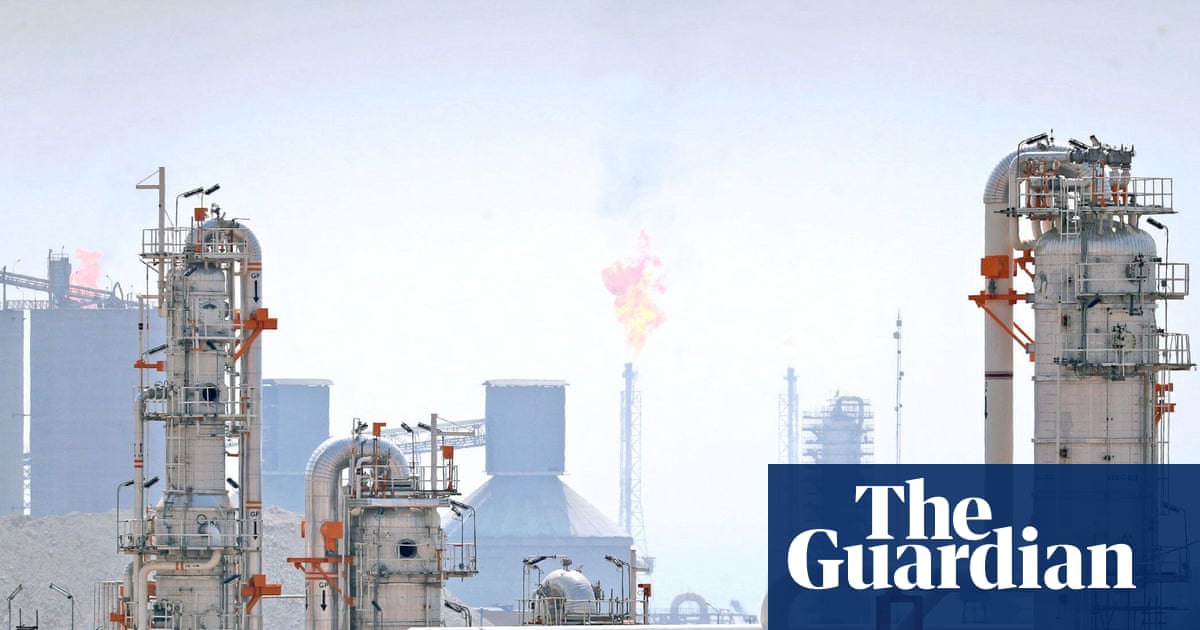
Qatar says an Iranian strike knocked out almost a fifth (about 20%) of its LNG export capacity at Ras Laffan — a facility that supplies about 20% of global LNG — a hit likely to have years-long effects and prompting Iran's foreign minister to warn of "zero restraint" if energy infrastructure is targeted again. The assaults have sent global stock markets lower and driven sharp increases in gas prices, representing a material near-term supply shock to global LNG markets. Secondary risks include a Meta AI agent incident that exposed sensitive data to engineers for two hours and a climate analysis finding the US heatwave was made roughly 4x more likely by climate change, with temps up to 30°F (17°C) above normal, raising demand and policy risk implications.
Energy infrastructure risk is now a structural supply shock rather than a transitory outage; markets will price a persistent risk premium into LNG and pipeline gas markets for quarters to years because owners face higher hardening, replacement capex and rising political risk premiums for insurance and financing. Expect a material widening of basis between regional gas hubs as buyers scramble for cargoes—this amplifies merchant arbitrage opportunities for players with flexible LNG portfolios and shipping charters.
Operational AI incidents are coalescing into a measurable operational-risk tax for large tech platforms. Beyond headline reputational cost, expect three quantifiable second-order effects within 3-9 months: increased compliance/cybersecurity spend compressing operating margins by several hundred bps, slower enterprise AI adoption cycles as customers demand stronger SLAs, and higher latency from conservative rollouts that delay monetization of new AI features.
The intersection of these themes creates tactical cross-asset opportunities: energy name upside should outpace cyclicals while select tech names face episodic volatility tied to governance fixes. Near term (days–weeks) volatility in gas and LNG will dominate macro risk; medium term (3–12 months) look for differentiated winners among AI platform providers that can demonstrate hardened agent controls and enterprise SLAs.
AI-powered research, real-time alerts, and portfolio analytics for institutional investors.
Request DemoOverall Sentiment
strongly negative
Sentiment Score
-0.60
Ticker Sentiment
