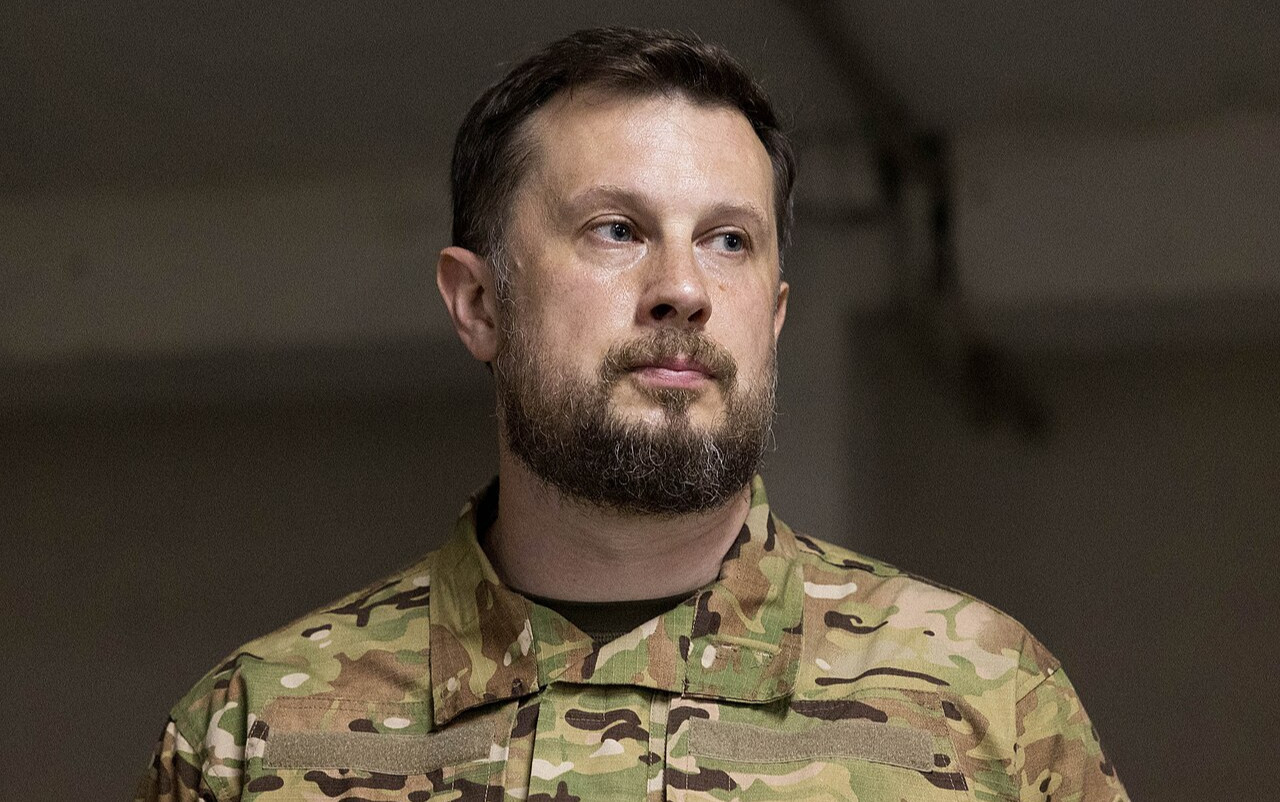
Ukraine’s commander says the next 6 to 9 months are a critical turning point, with the next six months most important for seizing battlefield initiative and improving leverage in peace talks. He said Russian forces are showing fatigue and personnel shortages, while Ukraine is expanding drone and robotic warfare capabilities and has retaken nearly 600 square kilometers in 2026. The article is primarily a military update with limited direct market implications, though it reinforces ongoing defense-sector relevance and war-risk dynamics.
The market implication is less about a near-term ceasefire and more about a potential reset in the allocation of industrial capacity across Europe. If Ukraine can sustain pressure for the next 2-3 quarters, the marginal value of air defense, counter-UAS, EW, secure comms and autonomous systems rises faster than headline defense spending, because the bottleneck shifts from brass-on-brass attrition to production rates, sensor fusion and battlefield networking. That tends to favor suppliers with software-heavy, quickly deployable systems over legacy platform vendors whose order books are already crowded. The second-order loser is any logistics-intensive Russian export stream that remains sanctionable but operationally fragile: rails, fuel distribution, depot infrastructure and dual-use components all face a higher disruption probability if Ukraine’s strike density keeps rising. That creates a hidden tailwind for European inland rail, commercial satellite, and defense electronics names, while also increasing the option value of firms that can harden supply chains or provide resilient communications. Conversely, if battlefield momentum stalls before negotiations, the market is likely to fade the war premium quickly, especially in names that have already rerated on 2026 defense narratives. The key risk is timing: this is a six-month story, not a six-year one. Any de-escalation signal, ammunition shortfall, or a political push toward talks before Ukraine improves its position would compress the upside for defense beneficiaries and reduce urgency in drone/robotics procurement. The contrarian read is that the “turning point” may already be partially priced into European defense equities, but not into the enablers of the next phase of warfare — autonomy, communications resilience, and battlefield software — which still appear underowned relative to their strategic importance.
AI-powered research, real-time alerts, and portfolio analytics for institutional investors.
Request DemoOverall Sentiment
neutral
Sentiment Score
0.05
