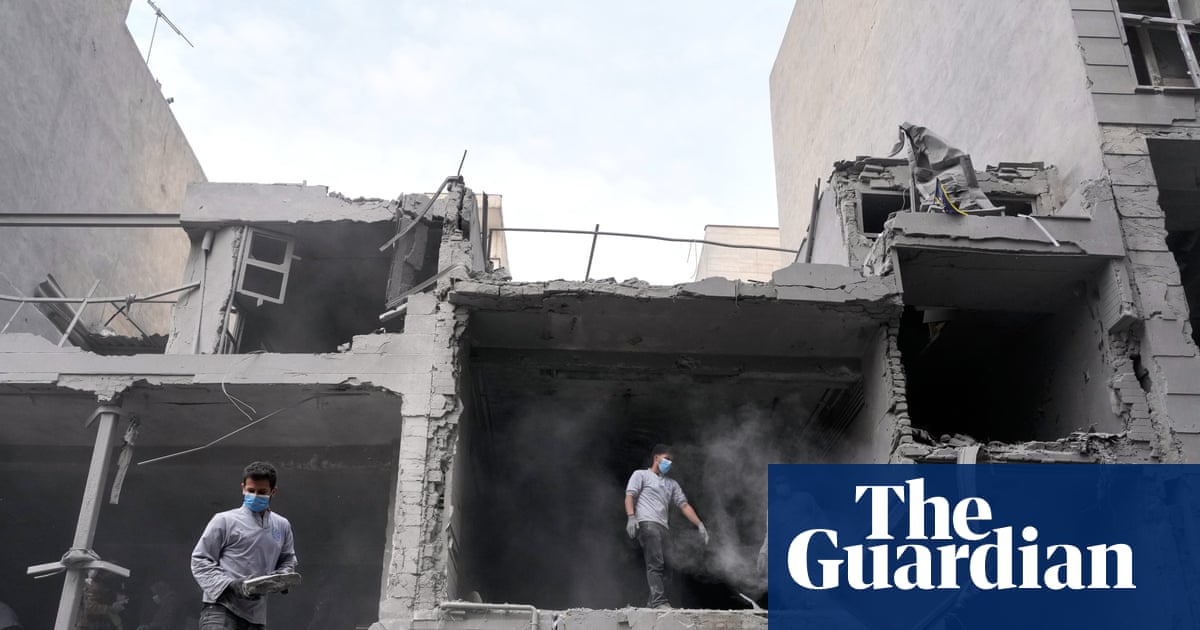
US and Israeli strikes against Iran and retaliatory Iranian missile/drone attacks have escalated into a region-wide conflict: more than 1,300 people killed in Iran, up to 3.2 million displaced, and over 600 ships trapped in the Red Sea. The fighting and threats to the Strait of Hormuz (carrying roughly 20% of global oil and gas flows) have disrupted air travel and oil exports, driving fuel prices higher and creating sustained supply risk and elevated market volatility.
A protracted disruption to Persian Gulf exports will behave like a negative supply shock with an outsized near-term premium priced into crude, freight and insurance markets. Expect spot crude to trade with elevated volatility for 2-12 weeks (spikes and snap-backs), while physical market structure will tilt toward backwardation across the front-month curve, compressing refinery cracks for heavy sour grades and lifting light sweet differentials. Shipping economics are a force-multiplier: rerouting around Africa or layering naval escorts raises marginal delivered cost and voyage time — this will mechanically inflate VLCC/Suezmax dayrates and create acute refinery feedstock mismatches within 2-6 weeks.
Second-order winners will be firms that monetise transit friction and defence/upgrades rather than simple producers: crude storage owners, spot tanker operators, specialty insurers/reinsurers writing war-risk premiums, and contractors supplying missile-defence interceptors and naval AA systems; these revenue streams can re-rate faster than cyclical upstream cash flows. Losers include short-cycle demand-exposed sectors (airlines, cruise, logistics) and refiners without feedstock flexibility — expect regional refined product dislocations and logistic congestion that can shave near-term margins by 5-15% for exposed refiners.
Key catalysts and time horizons: a tangible diplomatic ceasefire or coalition escort announcement would likely remove most of the risk premium within 7-30 days; targeted physical damage to major export infrastructure would extend the premium for months and is the primary tail that could push Brent-like benchmarks $15-30 higher. Watch three liquid levers for reversals: multi-country naval escorts announced, coordinated SPR releases >50m bbl, or demonstrable attrition of actors’ anti-ship capabilities. Risk management should assume asymmetric outcomes — large upside shocks are faster than politically negotiated de-escalations, so trade sizing and optionality matter.
AI-powered research, real-time alerts, and portfolio analytics for institutional investors.
Request DemoOverall Sentiment
strongly negative
Sentiment Score
-0.85
