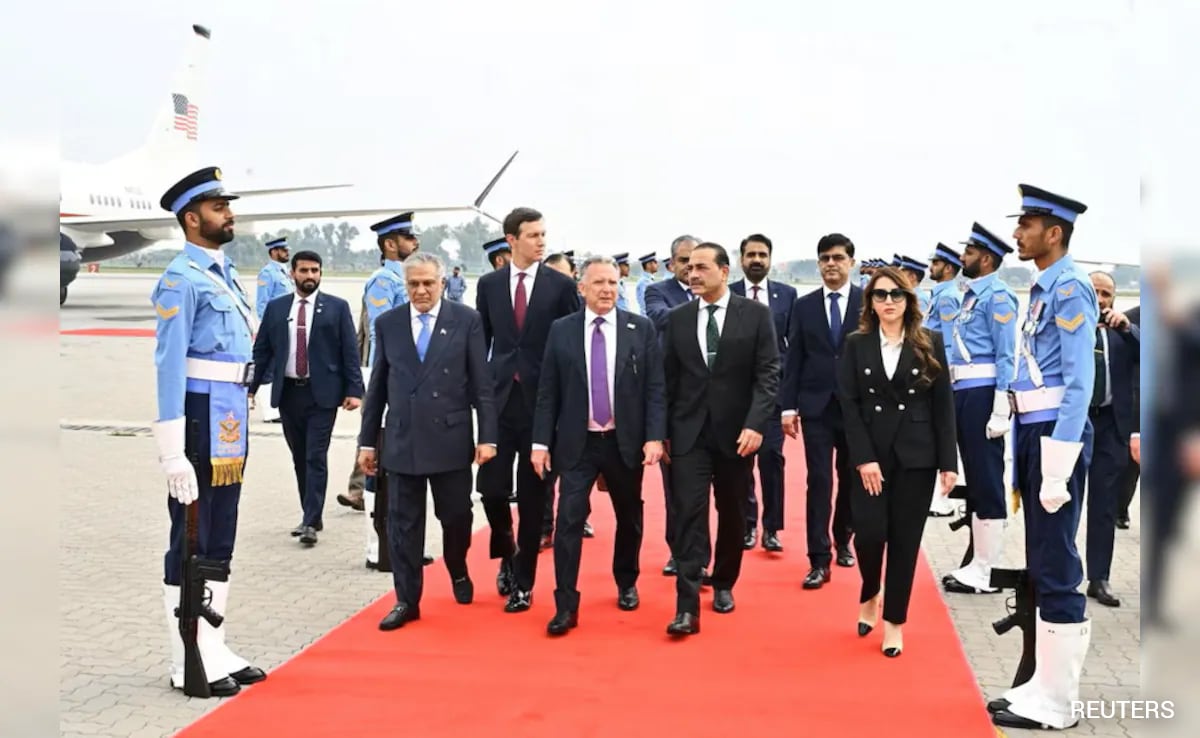
US-Iran negotiations remain unresolved, with Washington considering a new round of talks in Islamabad while continuing a maritime blockade and fresh sanctions on Iran's oil sector. The article highlights elevated geopolitical risk around the Strait of Hormuz, where roughly one-fifth of global crude normally transits, even as Wall Street rallied on hopes of a deal and crude prices fell. The conflict, ceasefire, and potential shipping disruptions make this a market-wide oil-and-risk sentiment story.
The market is treating this as a de-escalation trade, but the more important setup is a rolling volatility event around energy logistics rather than a clean peace premium. Even if talks progress, the near-term path still runs through repeated brinkmanship on maritime access, sanctions enforcement, and tit-for-tat signaling, which means the first-order beneficiary is not crude directionally so much as implied volatility in oil, tanker rates, and regional credit risk. The blockade narrative also creates a mismatch between headline flow and physical flow: if paper market participants extrapolate a rapid reopening while shipments remain constrained, front-end curves can overshoot on both sides.
The second-order winners are non-Iranian exporters and logistics substitutes. Saudi and Gulf exporters gain bargaining power if buyers seek reliability over discounting, while LNG and refined product exporters benefit if freight and insurance premia widen across the Strait/Red Sea corridor. Conversely, Asian refiners and import-dependent EMs face margin compression and working-capital strain if crude delivery risk stays elevated for even 2-6 weeks; that pressure usually shows up before outright demand destruction, via weaker crack spreads and higher inventory financing costs.
The contrarian view is that the market may be underpricing a negotiated pause because both sides have incentive to claim tactical success without solving the nuclear issue. That creates a classic vol crush opportunity if headlines improve, but only after a sharp move in spot/midstream logistics prices. The bigger tail risk is that sanctions plus blockade rhetoric tighten enough to incentivize covert rerouting and shadow-fleet activity, which delays but does not eliminate flows; in that case the true opportunity is relative value, not outright energy beta.
AI-powered research, real-time alerts, and portfolio analytics for institutional investors.
Request DemoOverall Sentiment
mildly negative
Sentiment Score
-0.15
