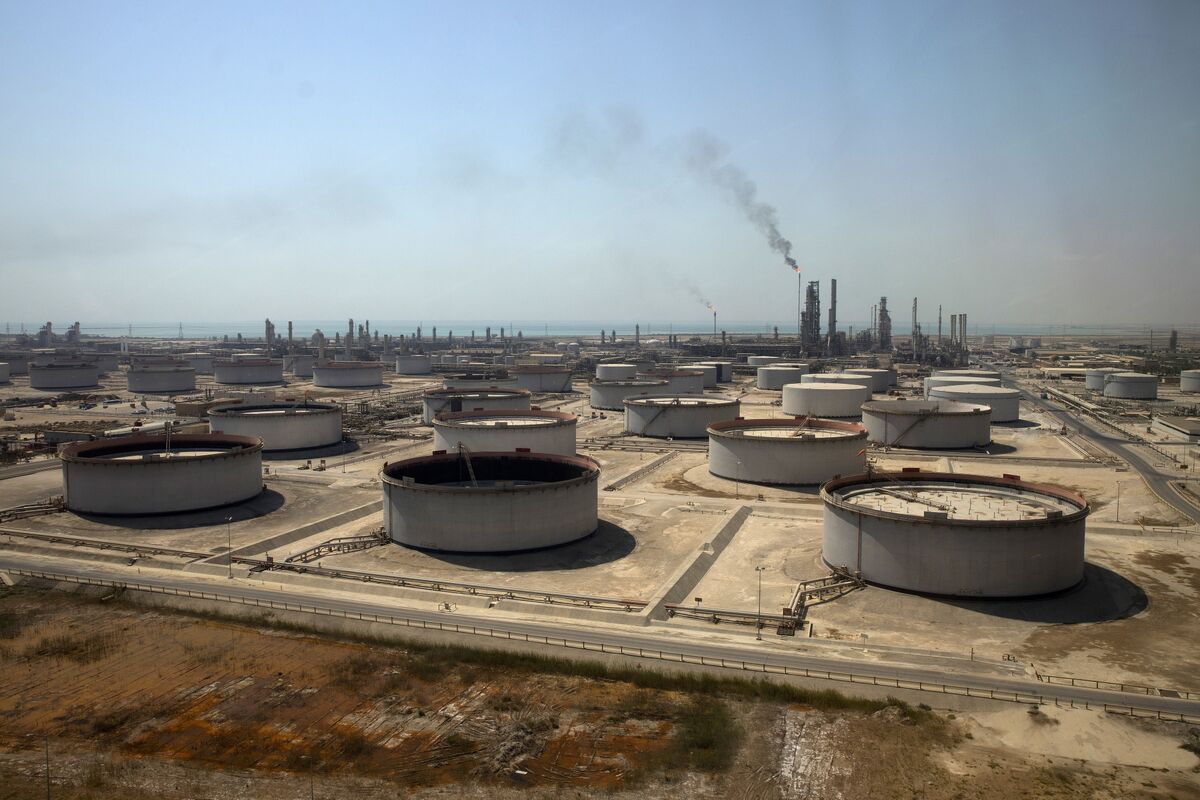
Saudi Aramco has lowered oil prices for Asian buyers following OPEC+'s decision to increase output by 411,000 barrels a day in July, marking the third consecutive month of substantial production hikes. This move, coupled with ongoing trade tensions, has contributed to a roughly 12% decline in benchmark oil prices in London since early April, signaling potential downward pressure on the energy market.
Saudi Aramco has implemented a price reduction for its primary oil grade destined for Asian markets, a move directly following OPEC+'s decision to augment collective production by 411,000 barrels per day in July. This marks the third consecutive month of substantial output increases from the producer group, a strategy spearheaded by Saudi Arabia. These supply-side actions, compounded by the effects of the US-led trade war, have contributed to a significant downturn in benchmark oil prices, with London prices falling approximately 12% since early April. The sustained increase in oil supply, reflected in a mildly negative market sentiment, signals a potential continuation of downward pressure on crude prices and a shift in market dynamics for the energy sector.
AI-powered research, real-time alerts, and portfolio analytics for institutional investors.
Request DemoOverall Sentiment
mildly negative
Sentiment Score
-0.30
