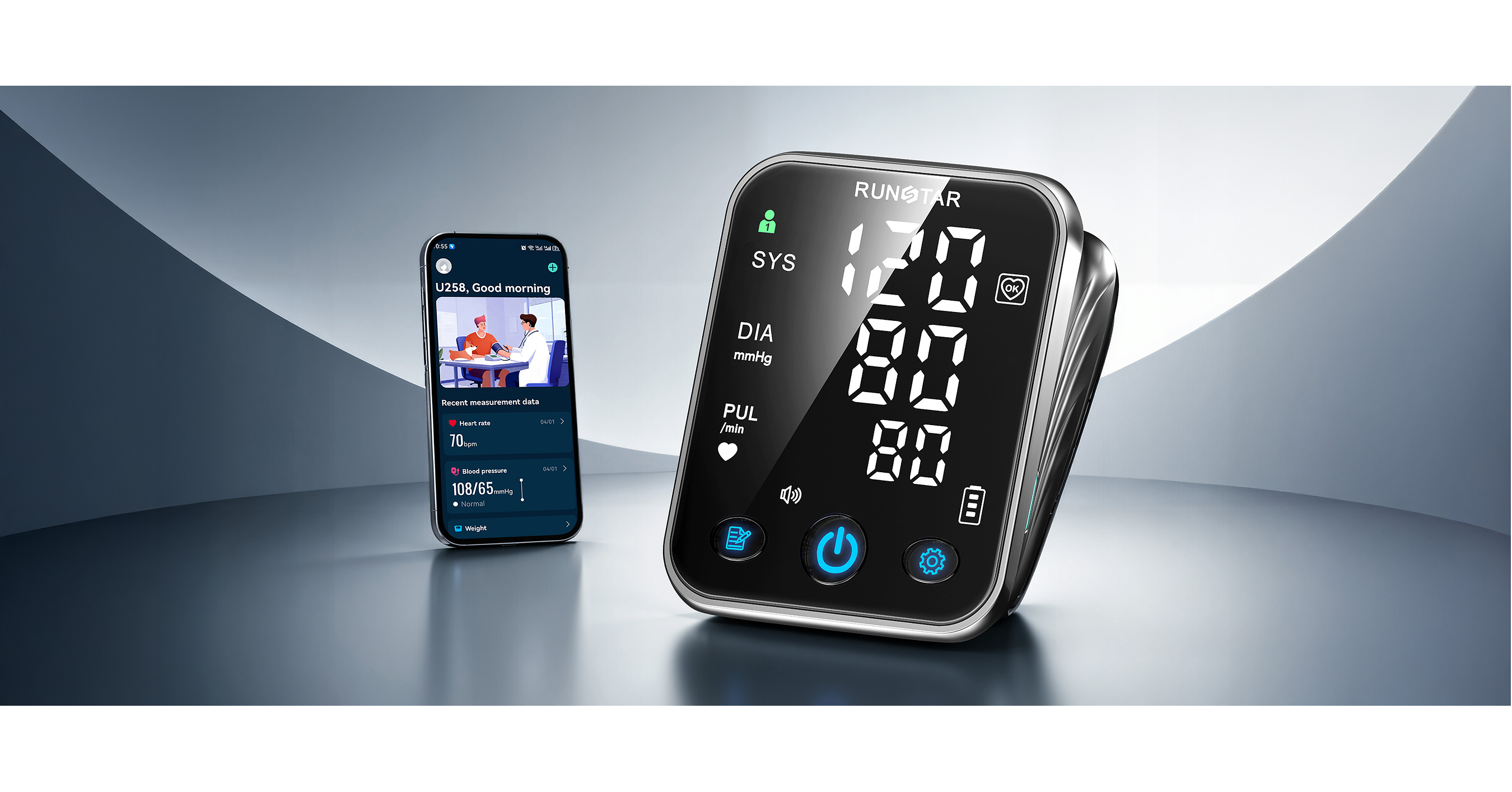
RunStar launched the RunStar Smart Blood Pressure Monitor (BP-206), featuring sub-60-second readings and Bluetooth app syncing, and it is now available to order for $69.99. The device includes a 5-inch display, dual-user memory (up to 99 readings/user), and a long-lasting rechargeable battery (up to 5 months on a charge), with HSA/FSA eligibility and a limited-time launch discount. Overall, this is a small, product-level positive update with limited expected impact on public markets.
This looks like a product-level marketing event, not a thesis-changing fundamental for a public equity unless TBHC is already monetizing distribution at scale. At this price point, the economics are driven by unit velocity and attachment rate, not feature differentiation; hardware gross profit will be thin unless the app becomes a recurring engagement layer or the device is bundled into employer/payer channels. In other words, the launch only matters if it increases customer acquisition efficiency or creates a data moat.
The more interesting read-through is competitive: mass-market channels and marketplace search are likely the main beneficiaries if this category keeps growing, while legacy cuff vendors face continued price compression and SKU commoditization. Over 1-3 months, any stock impact should come from review/ranking traction and management commentary on margin mix; over 6-18 months, the real upside would require proof that blood-pressure tracking can support higher-frequency engagement and some form of reimbursement or B2B distribution. Without that, the product is just another low-ASP consumer medical device.
Contrarian view: the market often overestimates the monetization of "smart" health hardware and underestimates churn, returns, and app abandonment. HSA/FSA eligibility helps conversion at the margin, but it does not create durable pricing power. The thesis would be falsified quickly if the device gains meaningful online share or if the company discloses recurring usage/partner data that shows the app layer is sticky.
AI-powered research, real-time alerts, and portfolio analytics for institutional investors.
Overall Sentiment
mildly positive
Sentiment Score
0.12
Ticker Sentiment
