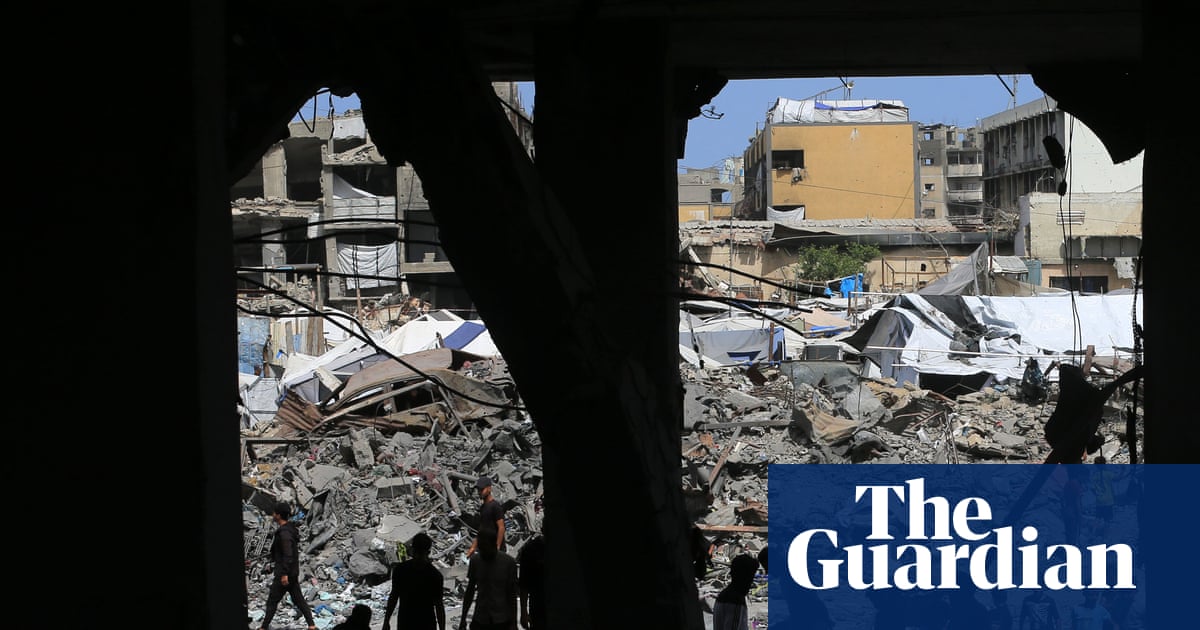
Gaza’s reconstruction and governance plan is stalled despite $7bn in pledged aid, with only the UAE and Morocco reported to have sent funds and just $23m for operations plus $100m for a future police force disbursed. The UN estimates rebuilding will cost more than $70bn over decades, while Israeli control, humanitarian shortages, and Hamas’s refusal to disarm continue to block implementation. The article points to escalating funding shortfalls and governance failure that could undermine the ceasefire framework and regional stability.
The market implication is not humanitarian headline risk per se, but a growing probability that the post-ceasefire governance framework becomes a reputational dead end for its sponsors. That creates a second-order winner set: actors able to monetize reconstruction scarcity, security contracting, and diplomatic optionality, while traditional aid/NGO channels and any EM-facing project finance tied to Gaza remain stranded on the sidelines. The longer the funding gap persists, the more reconstruction shifts from a multilateral funding story into a bilateral patronage story, which is structurally worse for execution and better for opportunistic vendors with preexisting political access.
The key catalyst is not another pledge ceremony; it is whether any meaningful disbursement hits the ground in the next 1-2 quarters. If not, the board’s credibility likely degrades nonlinearly because technocrats, security guarantees, and procurement pipelines all depend on each other; once one link breaks, the others become politically indefensible. That raises tail risk of a renewed ceasefire breakdown, which would force a rerating of regional defense, shipping, and energy volatility exposure, especially if the perceived failure is blamed on donor fatigue rather than battlefield dynamics.
A contrarian read is that the market may already be discounting chronic failure, but underestimating how much this helps hardliners on all sides by removing a visible off-ramp. In that regime, the real trade is not on Gaza reconstruction itself but on the probability of a wider regional policy reset: delayed normalization, higher security budgets, and a longer-duration premium in defense supply chains. If reconstruction remains stalled into the next budget cycle, the issue becomes fiscal rather than geopolitical — donors will have to choose between domestic budgets and an open-ended external commitment, and that is where the initiative can break.
AI-powered research, real-time alerts, and portfolio analytics for institutional investors.
Request DemoOverall Sentiment
strongly negative
Sentiment Score
-0.78
