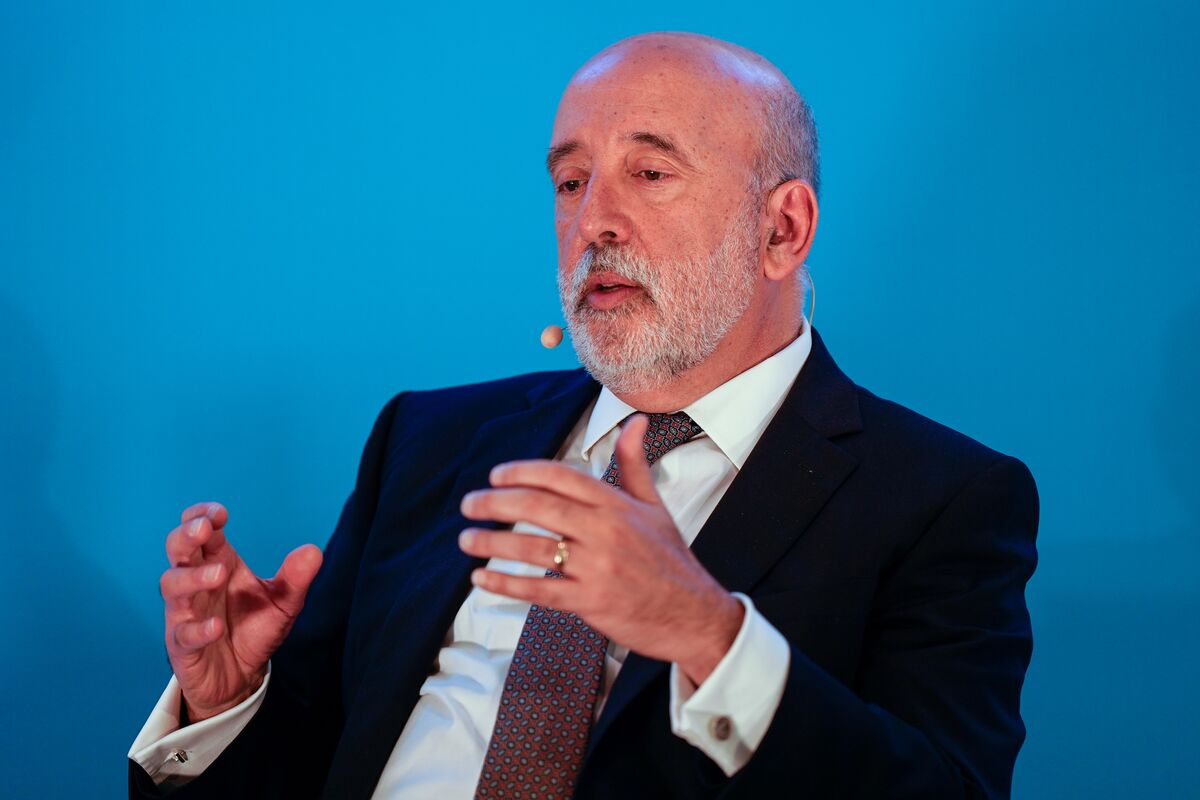
ECB Governing Council member Gabriel Makhlouf said a rate increase in April is possible if incoming data warrant it and that he 'can well understand' market bets for two hikes this year, which align with the ECB's baseline. He emphasized high uncertainty and said the council will take a calm, careful approach, making firm commitments impossible at this stage.
A higher-for-longer tilt in ECB pricing would disproportionately reprice the front end of the euro curve, producing a classic flattening as 2y moves up faster than 10y. That dynamic is a two-edged sword: European banks should see near-term net interest margin relief, but corporates and highly leveraged real-estate borrowers will face materially higher rollover costs within 3–12 months, increasing default risk in cyclical loan books.
Second-order flows will accelerate: short-term money will flow into euro cash and MMFs at the expense of risk assets, tightening EUR funding and prompting cross-currency basis moves that strain dollar-funded European corporates and EM borrowers. Insurers and pension funds face a transient relief in discount rates but also portfolio rebalancing that can bid rates higher at the long end if they need to shorten duration to match liabilities.
Key catalysts to watch in the coming weeks are wage prints, services inflation and PMIs — any surprise on the upside keeps front-end repricing alive, while weakness would quickly reverse it and risk a policy backtrack. The tail risk is a policy error that tips growth into recession, which would invert the usual winners: banks’ NIM gains evaporate as credit losses spike and sovereign spreads widen; positioning in short-dated euro rates is therefore crowded and fragile.
AI-powered research, real-time alerts, and portfolio analytics for institutional investors.
Request DemoOverall Sentiment
neutral
Sentiment Score
0.00
