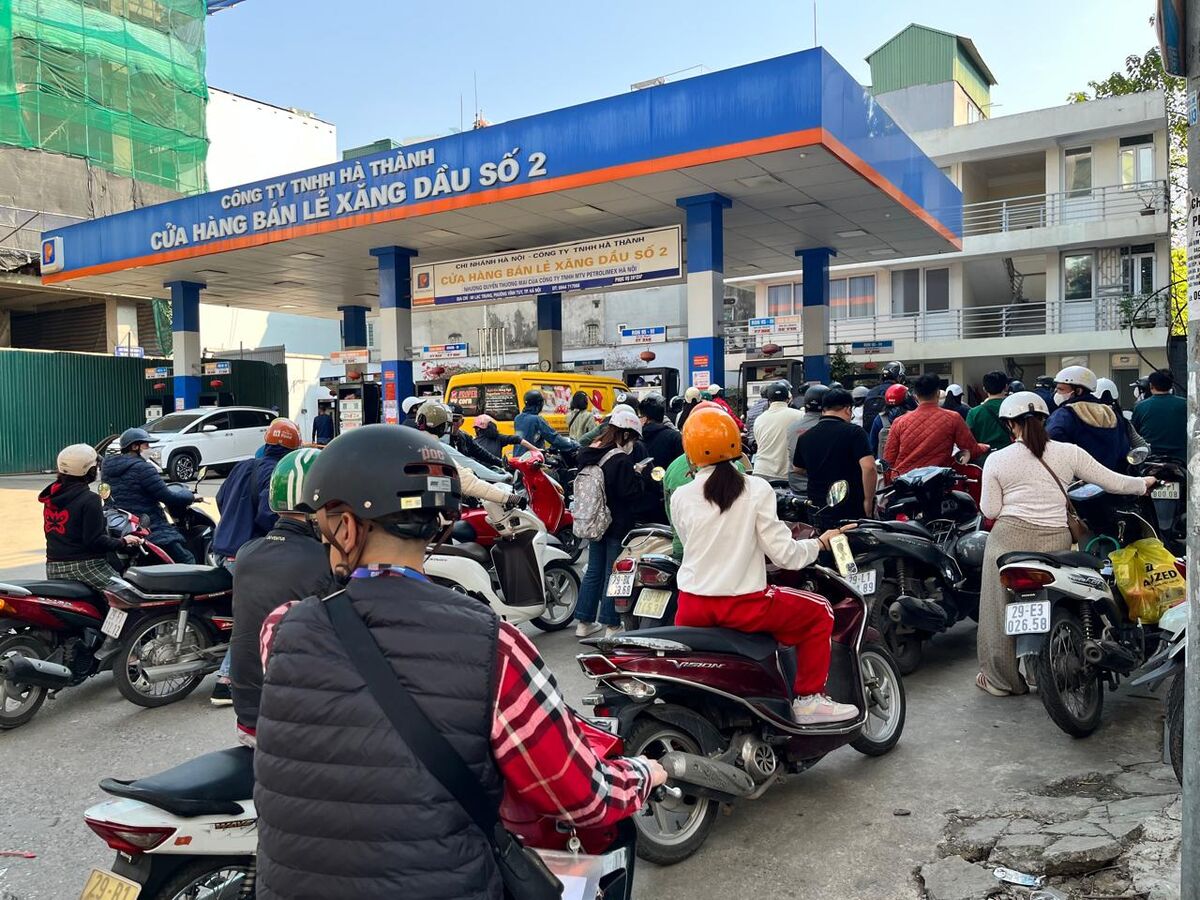
A widening fuel supply crunch in Asia is forcing four-day workweeks and school closures; Vietnam cut import tariffs on some petroleum products and ordered oil not committed for export to be sold to domestic refineries. Civil aviation authorities warned of potential jet-fuel shortages from early April as suppliers delay deliveries or invoke force majeure, raising downside risks to aviation and industrial activity and upward pressure on regional energy prices and inflation.
Winners are physical players with storage/market-access and flexible sourcing — refiners that can be allocated domestic barrels, bunkering terminals and commodity trading houses that can re-route cargoes. Expect regional middle-distillate cracks to diverge from Brent by $5–15/bbl in acute episodes (days–weeks), creating outsized margin capture for refiners and storage operators while import-dependent transport and airlines see immediate cash-flow pressure.
Second-order pain will show up in logistics chains and FX: trucking, parcel delivery and short-haul shipping face punctuated cost shocks that compress margins and can force temporary service cuts — expect pockets of demand destruction in non-essential freight within 2–8 weeks. Elevated fuel costs will also accelerate input-cost pass-through for fertilizer and heavy industry, creating asymmetric inflation pressure in emerging-market CPI baskets and prompting tactical central-bank sensitivity over the next 1–3 months.
Tail risks are clustered force majeure events among Middle East exporters or a prolonged shutdown of cargo flows — these would push the shock from weeks to months and justify higher structural premia in regional product markets. Conversely, a coordinated SPR release, rapid re-routing of VLCCs into Singapore/China hubs, or an unexpected warm season demand dip could erase the premium within 2–6 weeks; monitor Singapore Gasoil crack and VLCC positions as high-frequency indicators.
The consensus trade — long crude futures only — misses the asymmetric opportunity in refined-product basis and logistics leverage. Tactical positioning that captures widening product cracks or the storage/timing premium will outperform a blunt long-oil exposure, but be prepared to tighten stops on signals of cargo rebalancing or policy intervention.
AI-powered research, real-time alerts, and portfolio analytics for institutional investors.
Request DemoOverall Sentiment
moderately negative
Sentiment Score
-0.60
