


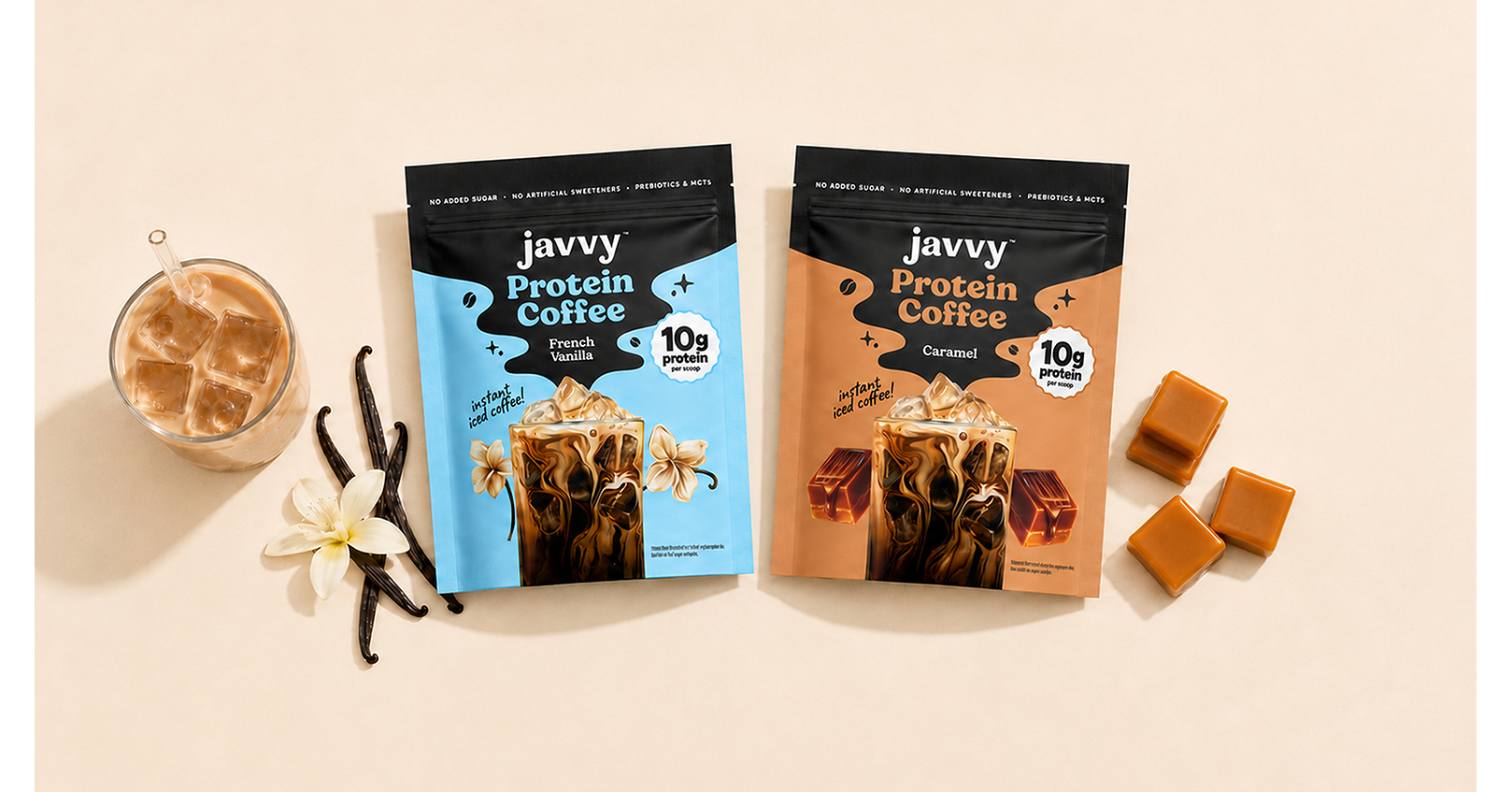
Javvy is expanding its best-selling Protein Coffee into Walmart nationwide, rolling out starting July 11 and expanding to 3,000+ locations over the coming weeks. The product will sell at $24.98 in two flavors (Caramel and French Vanilla) and highlights 10g protein per serving, no added sugar, and prebiotics/MCTs. The retailer distribution expansion signals improving consumer demand for functional beverages, though the article is promotional with limited financial impact details.
Walmart is the only clear incremental winner here, but the economic value is more about traffic and basket attach than near-term EPS. A national rollout of a high-frequency beverage SKU gives WMT another value-positioned, wellness-adjacent item that can lift repeat trips and strengthen its “better-for-you at scale” positioning, especially in e-commerce search where discovery matters more than shelf theater.
The second-order read is more interesting than the launch itself: if the product sustains velocity, Walmart can use it as a template to pull in more functional beverages and protein-forward consumables, which gradually shifts mix toward higher-margin discretionary pantry items. The flip side is that the category economics may get more promotional, not more profitable, if Walmart uses scale to normalize a niche premium format; that is a mild headwind for smaller premium coffee/functional beverage brands and for retailers that compete on curation rather than price.
For TGT and SFM, the effect is mostly competitive rather than direct. Target is structurally less advantaged in grocery penetration, so any “wellness at value” share capture should accrue more to WMT than to TGT over the next 1-3 quarters. The contrarian point: this is a distribution headline, not proof of durable consumer pull; the key falsifier is weak store-level sell-through or no replenishment orders within 4-6 weeks, which would make this a transient merchandising event rather than a durable growth driver.
AI-powered research, real-time alerts, and portfolio analytics for institutional investors.
Overall Sentiment
mildly positive
Sentiment Score
0.25
Ticker Sentiment
