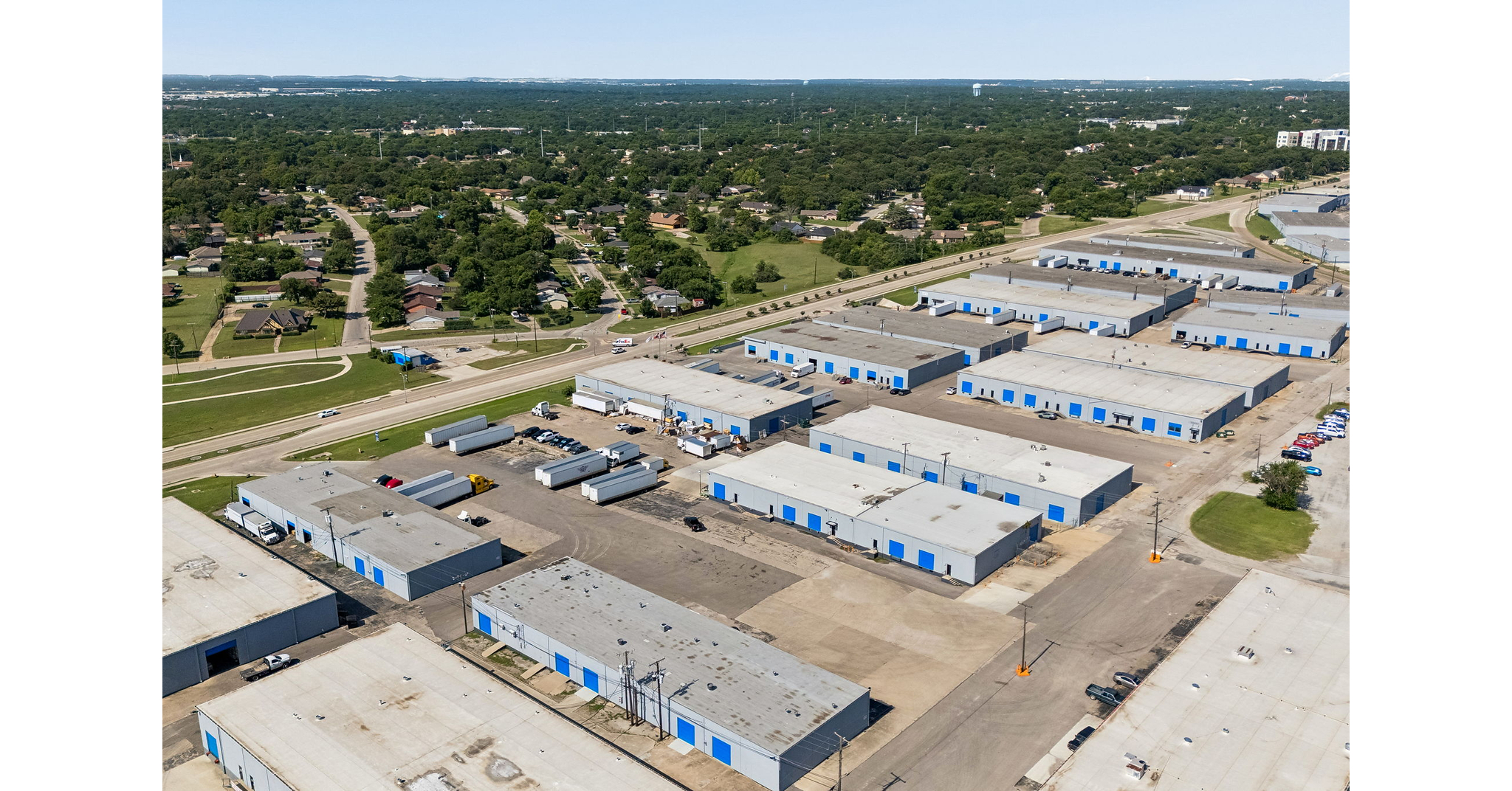
S2 Industrial acquired a 589,022-square-foot, 31-building shallow-bay multi-tenant industrial park at 5721 E. Rosedale Street in Fort Worth, part of its Sun Belt/Dallas-Fort Worth infill push. The company plans value creation via suite interior upgrades and targeted leasing to raise occupancy, leveraging its Fort Management platform for on-site execution. The deal signals continued platform momentum, but no purchase price, financing terms, or near-term financial impact were disclosed.
This is a signal about private-market pricing power in constrained, infill industrial rather than a true macro read-through. The edge here is operational: shallow-bay assets can be re-leased and internally upgraded faster than ground-up supply can respond, so owners with local leasing execution and modest capex budgets should outperform developers relying on fresh deliveries. That favors high-quality industrial landlords with Sun Belt exposure and penalizes anyone underwriting future rent growth off a supply wave that may never arrive.
The second-order effect is on comp multiples, not current cash flow. If buyers can still justify these assets in a higher-rate regime, it helps put a floor under cap rates for similar DFW/Sun Belt small-bay portfolios and supports valuations for operators with embedded mark-to-market upside, especially EastGroup (EGP) and, to a lesser extent, Prologis (PLD). The loser is the marginal development pipeline: if existing stock can be bought, improved, and leased at a lower all-in basis, new suburban industrial starts become harder to pencil.
The contrarian view is that this may be more idiosyncratic than bullish for the whole sector. A single value-add acquisition says little about exit liquidity if financing costs stay elevated or if tenant demand softens; the thesis breaks if DFW vacancy rises, leasing spreads compress, or renewals require materially more TI/LC than assumed. Near-term, the only real catalyst is leasing execution over the next 1-3 quarters; over 6-18 months, the key variable is whether Sun Belt supply stays disciplined enough to keep cap rates from widening.
AI-powered research, real-time alerts, and portfolio analytics for institutional investors.
Overall Sentiment
mildly positive
Sentiment Score
0.20
Ticker Sentiment
