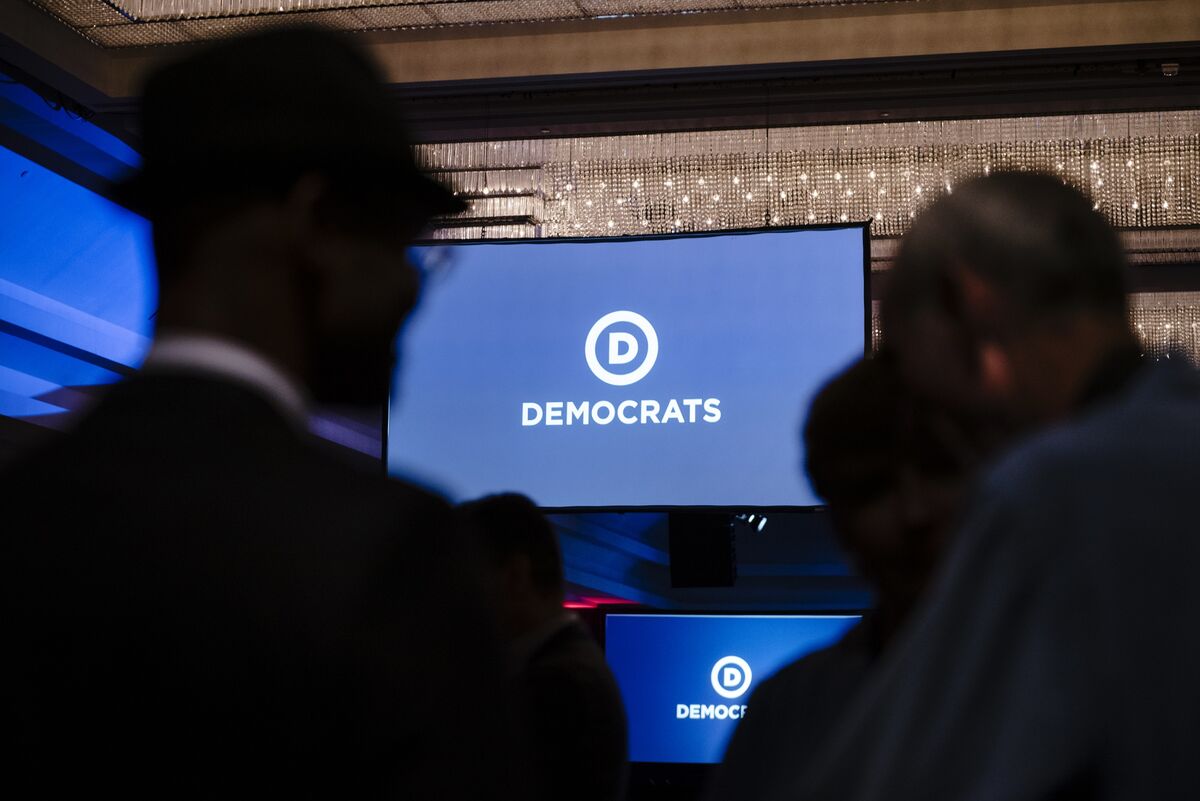
ActBlue raised $586 million in Q2 for Democratic candidates and causes—its biggest quarter in a midterm cycle—surpassing its prior record-breaking Q1. The haul covers federal, state, and local races plus Democratic/progressive groups, aimed at competing in midterms projected to be the most expensive in US history.
The investable read-through is not “Democrats are winning,” it is that a richer campaign treasury raises the ceiling on late-cycle media spend and extends the window where local inventory gets bid up. That favors battleground-state broadcasters and some ad-tech names more than the political brands themselves, because the first-order effect is CPM inflation and tighter supply on high-intent audience slots, not a durable shift in fundamentals.
The more interesting second-order effect is dispersion: owners of local over-the-air inventory with leverage to political dollars can see outsized margin flow-through, while diversified media platforms mostly get a rounding error. The best relative winners are likely higher-quality broadcasters versus more levered peers; if the ad cycle disappoints, balance-sheet quality will matter more than headline political exposure.
Contrarian takeaway: the market may be overpricing the signal value of fundraising. Cash can be a substitute for candidate strength, and forcing donors to max out early can leave less marginal fuel later. The real reversal trigger is polling and candidate quality into late summer; if that does not improve, the spend spigot still opens, but the policy-risk trade loses directional conviction and becomes more of a volatility event than a clean election beta trade.
AI-powered research, real-time alerts, and portfolio analytics for institutional investors.
Request DemoOverall Sentiment
mildly positive
Sentiment Score
0.25
