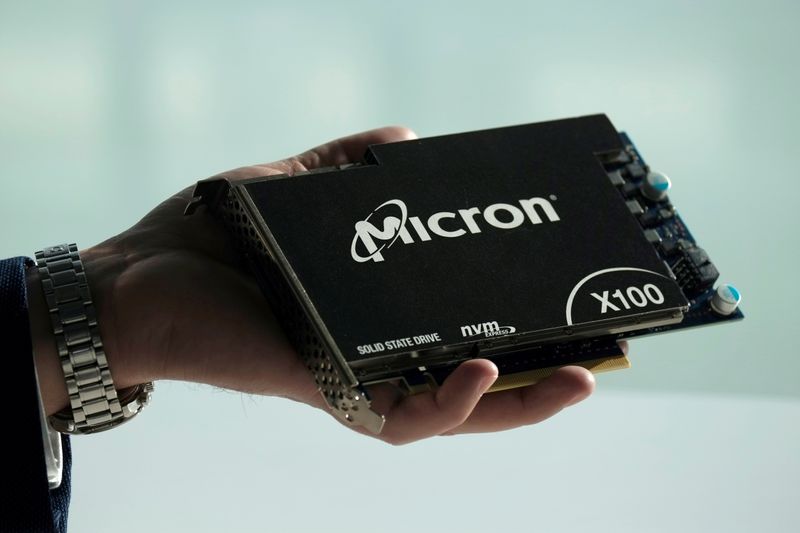
Melius initiated coverage on SanDisk with a Buy and a $1,350 target, implying 36% upside, and on Micron with a Buy and a $700 target, or 41% upside. The firm argues the AI memory cycle can extend through the end of the decade, supporting durable margin and demand profiles across HBM, DRAM, and NAND. The note reinforces an already positive analyst backdrop for SanDisk, which has seen multiple target hikes and is set to join the Nasdaq-100.
The key second-order effect is not just a stronger NAND tape; it is a broad re-rating of memory as an AI-enabling asset class. If the market starts capitalizing memory on “AI durability” rather than cyclical bit supply, the multiple expansion can persist longer than the current spot pricing cycle, which matters most for the names with the cleanest mix shift into enterprise and datacenter demand. That also raises the bar for the rest of the semis complex: memory strength becomes a validator for AI capex intensity, which is incrementally constructive for NVIDIA because it reduces the odds that AI spend is peaking.
The competitive implication is that this is a relative-value event inside semis, not a blanket bullish signal. Memory suppliers with tighter supply discipline and more exposed AI/enterprise mix should outperform commodity-sensitive storage and lower-value end markets, while downstream OEMs and device assemblers face margin pressure if input costs stay elevated. The longer this cycle runs, the more it forces hyperscalers to pre-buy inventory and lock in supply, which can create a self-reinforcing shortage narrative into the next few quarters.
The main contrarian risk is that the market may already be discounting a multi-year supercycle after an extreme vertical move, leaving the trade vulnerable to any sign of pricing elasticity or inventory normalization. Because memory is historically mean-reverting, the most dangerous reversal would be a 1-2 quarter pause in AI order growth combined with easing lead times, which would compress multiples before fundamentals roll over. Near term, this is more of a sentiment and positioning catalyst than an immediate earnings catalyst, so the highest-risk window is the next 4-8 weeks as investors chase revisions.
For NVIDIA, the incremental read-through is supportive but indirect: stronger memory pricing tightens the entire AI bill of materials and reinforces the strategic importance of accelerator platforms, but it also raises scrutiny on whether AI customers can sustain capex at current pace. If memory inflation accelerates too far, it can eventually push buyers toward optimizing spend, which would be a medium-term headwind even if it helps the ecosystem in the short run.
AI-powered research, real-time alerts, and portfolio analytics for institutional investors.
Request DemoOverall Sentiment
moderately positive
Sentiment Score
0.60
Ticker Sentiment
