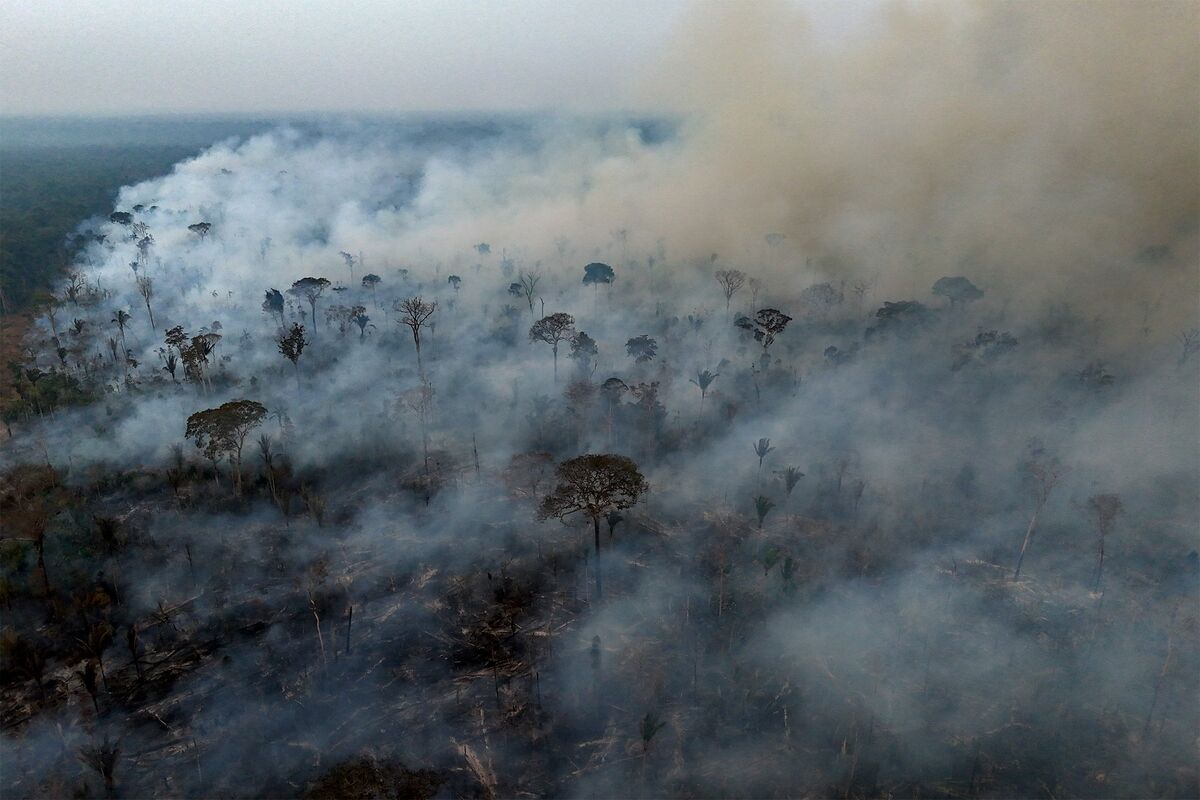
Global Forest Watch reports a record high in tropical and boreal forest loss in the past year, primarily driven by unprecedented temperatures and wildfires. The destruction released emissions exceeding four times the total emissions from global air travel in 2023, according to data from the University of Maryland.
Global forest loss reached a record high in the past year, primarily driven by unprecedented temperatures fueling extensive wildfires, according to the latest annual assessment from Global Forest Watch, a platform run by the World Resources Institute using data from the University of Maryland. This destruction resulted in carbon emissions exceeding four times the total emissions from global air travel in 2023, underscoring a significant escalation in climate-related environmental damage. The report characterizes this situation as a 'global red alert,' signaling severe and accelerating impacts from climate change which carry broad implications for environmental stability and heighten the relevance of climate risk within investment frameworks, particularly concerning natural capital and carbon emissions liabilities.
AI-powered research, real-time alerts, and portfolio analytics for institutional investors.
Request DemoOverall Sentiment
Negative
Sentiment Score
-0.60
