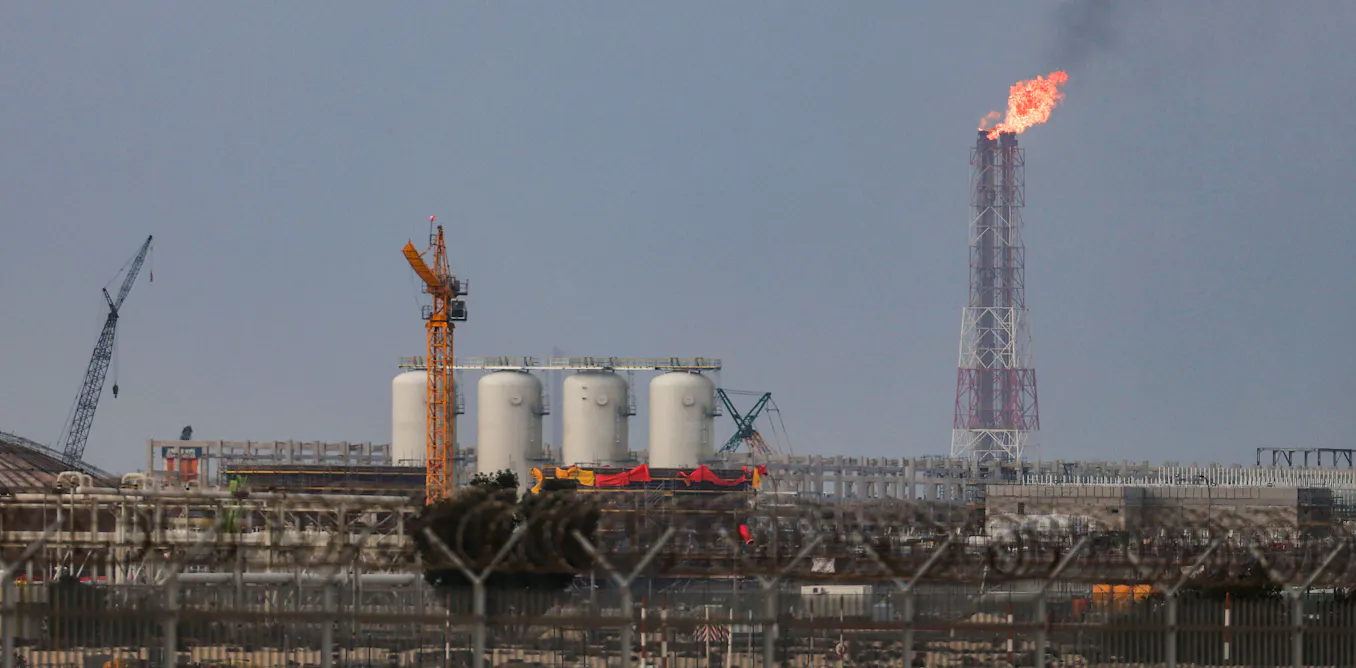
Direct strikes on energy infrastructure escalated on March 18, 2026: an Israeli drone hit Iran’s Asaluyeh/South Pars facilities and Iranian missiles subsequently inflicted “extensive damage” on Qatar’s Ras Laffan. Early reports indicate damage to Shell’s Pearl GTL and a hit reducing ~17% of Qatar’s LNG capacity with repairs projected at 3–5 years; Abu Dhabi’s 1.5 million bpd Habshan–Fujairah pipeline — >50% of UAE exports — has been repeatedly targeted. The events risk major, sustained dislocations to global oil and LNG supplies, potential closure/limitation of the Strait of Hormuz, and elevated shipping and commodity price volatility.
The immediate market consequence is not just a temporary cargo shortfall but an acceleration of structural scarcity in the specialized links of the LNG value chain: trains, idled maintenance capacity, and a finite fleet of LNG carriers/FSRUs. Expect spot spreads to widen materially into the next two northern-hemisphere winters (3–18 months) and persist as a premium on top of long‑term contract economics until repair/expansion capex and vessel supply catch up (12–36 months).
A tighter LNG freight market creates second‑order winners and losers: owners of ice‑class and FSRU tonnage gain outsized cash flow optionality, re/insurers and P&I clubs can reset pricing for regionally concentrated energy facilities, and suppliers with flexible regas capacity capture arbitrage. Conversely, project developers with long lead times (new trains, pipeline bypasses) face multi‑year delays and stepped‑up capex, which will compress returns and force contract repricing or equity dilution in smaller players.
For integrated majors the P&L hit will be nuanced: asset impairments and near-term cash costs matter, but oil price support and diversified downstream exposure blunt the pure‑LNG shock. The market is likely to overshoot on headline damage to large diversified names while underpricing the micro‑bottlenecks in shipping and regasification that determine spot price trajectory and margin capture for flexible sellers.
AI-powered research, real-time alerts, and portfolio analytics for institutional investors.
Overall Sentiment
strongly negative
Sentiment Score
-0.80
Ticker Sentiment
