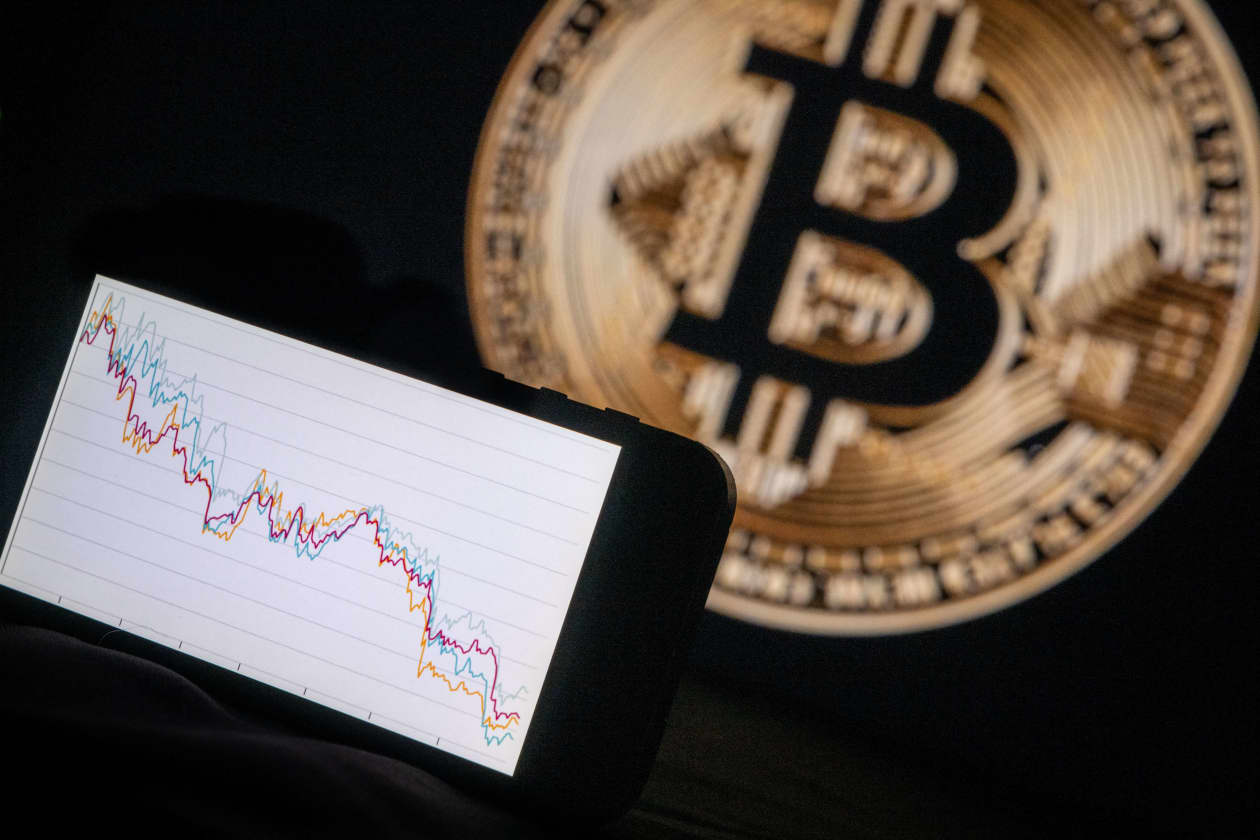
5%: Many financial advisers are now willing to accommodate client crypto exposure using a roughly 5% rule to cap risk. Historically opposed to bitcoin and other digital assets as speculative and non–income-producing, advisers are shifting stance due to client demand—particularly from younger professionals—and risk alienating potential clients if they reject crypto outright.
The adviser community’s tacit acceptance of controlled crypto allocations is not a binary market event — it’s an onboarding and product-integration cycle that favors custodians, platform integrators and ETF issuers over pure retail trading venues. Over the next 6–24 months, vendors that can embed custody, tax reporting and model-portfolio wrappers (reducing operational friction for RIAs) will capture recurring fee pools; exchanges win on flow but lose margin as a larger share of AUM moves into low-turnover, custody-first vehicles.
Regulatory and market-structure catalysts will determine speed: a wave of spot-Bitcoin ETF inflows or standardized custody integrations into Envestnet/Orion materially accelerates AUM migration (months), while enforcement actions, major exchange outages, or a multi-month crypto drawdown reverse it (days–months). The asymmetric risk is concentrated — small changes in custody/regulatory certainty produce outsized reallocations because advisers managing household relationships move discretely (model change) rather than gradually.
Second-order winners include bank custodians and fund wrappers that monetize onboarding (BNY, large asset managers that offer ETF shelf), and miners that benefit if advisory-led demand increases spot liquidity without materially increasing sell pressure. The contrarian angle: the market underestimates margin compression at exchanges and overestimates trading revenue upside; long-term value accrues to predictable-fee businesses that reduce advisor implementation friction, not high-frequency trading venues.
AI-powered research, real-time alerts, and portfolio analytics for institutional investors.
Request DemoOverall Sentiment
neutral
Sentiment Score
0.05
