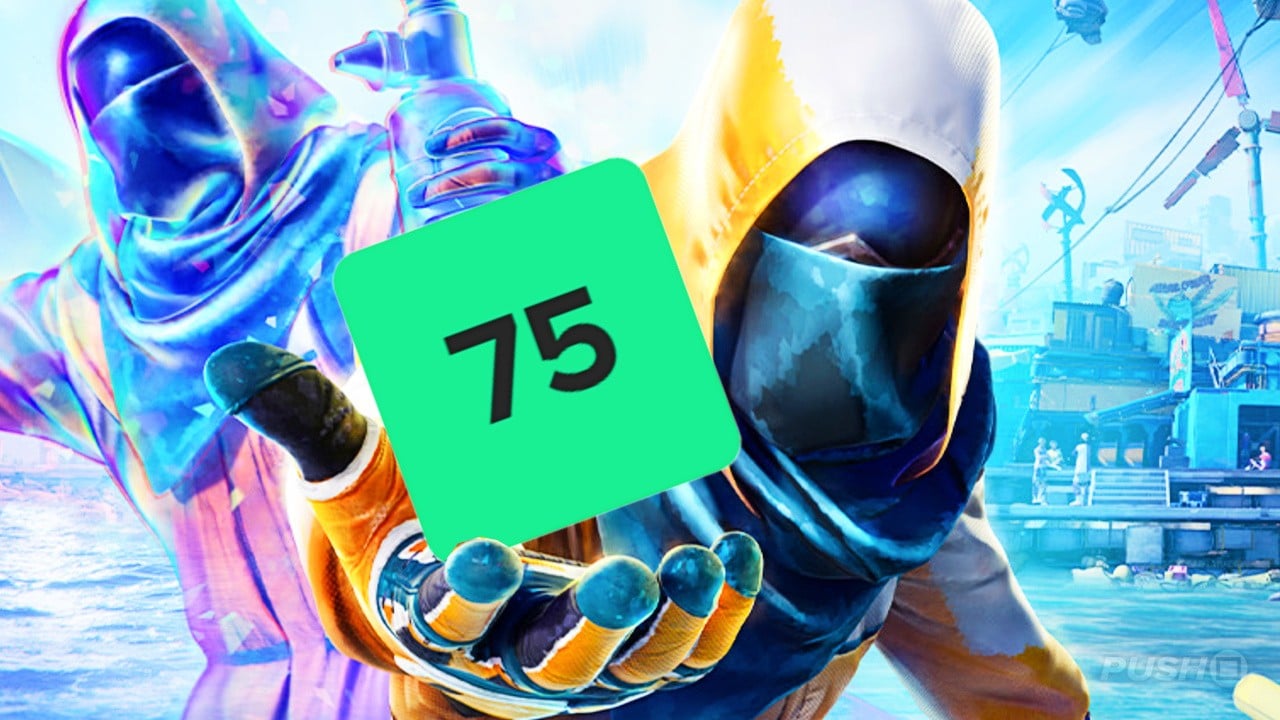
Tides of Tomorrow launches on 24th April at $29.99/£24.99 on PS5, with early reviews generally positive though not uniformly strong. Critics highlighted its novel asynchronous multiplayer mechanic and creative storytelling, while some noted the experience can feel disjointed. A demo is available now, which may help convert interest ahead of release.
The market read-through is less about one game and more about whether “asynchronous social design” can become a repeatable monetization mechanic. If the concept resonates, the upside accrues first to premium publishers with strong IP and live-ops capability, because this lowers content marginal cost: one authored world can generate many perceived variants without linear increases in narrative spend. That is a structural positive for studios that can blend single-player quality with community-driven replayability; smaller studios and pure narrative indies risk being boxed out if player expectations shift toward networked personalization.
The second-order effect is on user acquisition efficiency. A title that is easy to stream, seed, and discuss can reduce paid marketing dependence because each player becomes a distribution node; that favors platforms and content ecosystems that monetize engagement time, not just unit sales. The flip side is execution risk: if the mechanic feels gimmicky after the first session, review momentum can fade quickly and the game becomes a short-lived “novelty trade” rather than a durable catalog asset.
The most interesting contrarian angle is that the market may be underpricing the genre spillover. Even if this specific launch is modest, publishers will likely test the mechanic in adjacent categories like survival, horror, and narrative AA, which could lift engagement metrics for console ecosystems over the next 6-18 months. However, if player-seeded content drives moderation issues or fragmented experiences, it could also increase QA, trust & safety, and live-service support costs, pressuring margins for imitators.
Catalyst-wise, the critical window is the first 2-4 weeks post-launch: demo conversion, streamer uptake, and review-to-purchase elasticity will determine whether this is a one-off or a template. If day-one retention and social sharing are weak, the thesis rolls over fast; if the game sustains discussion beyond launch weekend, the signal becomes more valuable than the absolute sales level.
AI-powered research, real-time alerts, and portfolio analytics for institutional investors.
Request TrialOverall Sentiment
mildly positive
Sentiment Score
0.35
