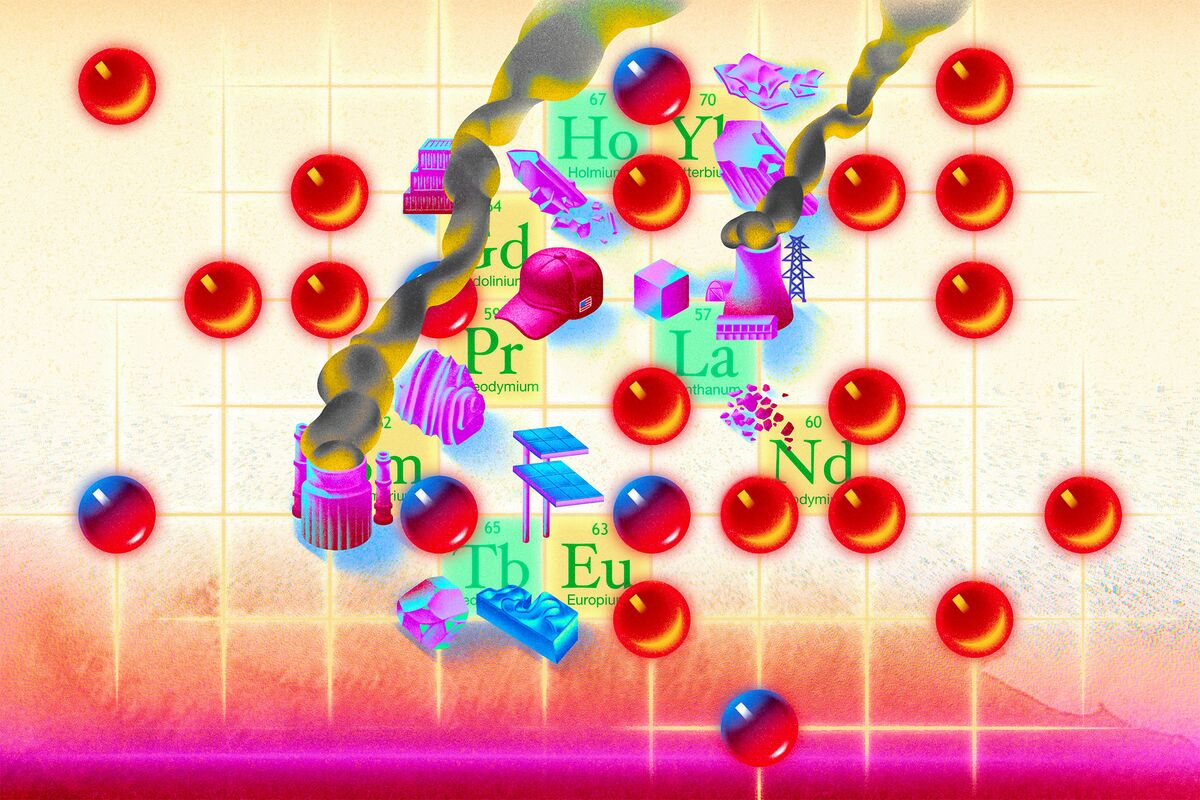
China is strategically leveraging its rare earth dominance as a geopolitical tool against the U.S., a tactic reminiscent of historical power plays used by Washington to secure global supremacy. This approach, underscored by President Xi Jinping's 'new Long March' declaration during the 2019 U.S.-China trade talks breakdown, signals Beijing's intent to weaponize critical resources in its ongoing economic and strategic rivalry with the United States.
China is strategically positioning its rare earth dominance as a geopolitical leverage point against the United States, a tactic highlighted by President Xi Jinping's "new Long March" declaration during the 2019 trade war. This move signifies Beijing's intent to weaponize critical raw materials, mirroring historical power plays.
The weaponization of rare earths, essential for high-tech industries and defense, introduces significant supply chain risks for global markets, particularly for U.S. and allied nations. This strategy underscores an escalating economic and strategic rivalry, moving beyond traditional trade disputes into critical resource control.
The moderately negative sentiment and uncertain tone surrounding this development, coupled with a market impact score of 0.65, suggest potential for considerable market volatility and disruption. Industries reliant on rare earths, such as technology, automotive (EVs), and defense, face increased vulnerability to supply shocks and price fluctuations.
AI-powered research, real-time alerts, and portfolio analytics for institutional investors.
Request DemoOverall Sentiment
moderately negative
Sentiment Score
-0.55
