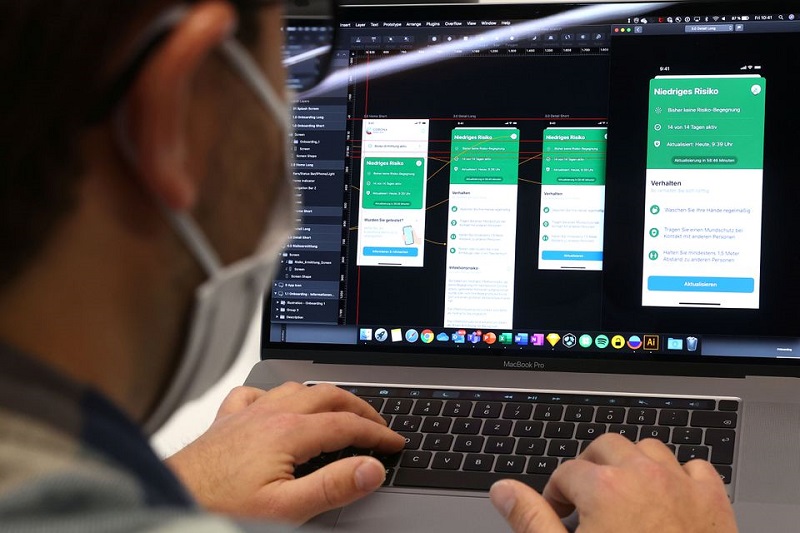
Morgan Stanley says AI is not shrinking software engineering headcount; instead, it is lowering build costs and unlocking more projects, which should increase demand for senior engineers. The bottleneck is shifting to review, testing, integration, security, and release, benefiting platform and infrastructure software providers. The report argues that agentic automation will raise productivity rather than trigger a broad-based developer contraction.
The important implication is not “fewer engineers,” but a re-acceleration in software demand intensity. If AI lowers the marginal cost of building applications, the constraint shifts to integration, governance, and production hardening — areas that tend to be more labor-intensive, higher-margin, and stickier for incumbents with enterprise workflows. That is constructive for platform vendors that sit upstream of development velocity, but it also means the value pool may migrate from pure coding tools toward testing, observability, security, and orchestration layers.
Second-order, this argues for a broader capex cycle in software rather than a one-time productivity win. When build costs fall, internal product teams greenlight projects that were previously shelved; that expands seat counts in adjacent tools, cloud consumption, and managed services even if headcount growth in junior roles slows. The market may still be underestimating how much AI amplifies demand for senior architects and security reviewers, which should support pricing power in vendors tied to deployment-critical infrastructure.
The contrarian risk is that the revenue benefit arrives with a lag while investor enthusiasm is immediate. In the next 1-2 quarters, enterprise customers may experiment aggressively but delay monetization decisions until agentic workflows prove reliable, creating a classic “usage up, budget later” gap. Another risk is that hyperscalers and model providers commoditize the developer-acceleration layer faster than expected, compressing margins for point solutions unless they own the workflow or compliance layer.
For the stock-specific read-through, Morgan Stanley itself is the cleanest beneficiary in the near term if clients rotate toward enterprise AI adoption and M&A/advisory activity around software consolidation increases. The broader alpha, however, is likely in picks-and-shovels names with exposure to testing, code quality, identity, and observability rather than generic AI software names that trade on narrative alone.
AI-powered research, real-time alerts, and portfolio analytics for institutional investors.
Request DemoOverall Sentiment
mildly positive
Sentiment Score
0.35
Ticker Sentiment
