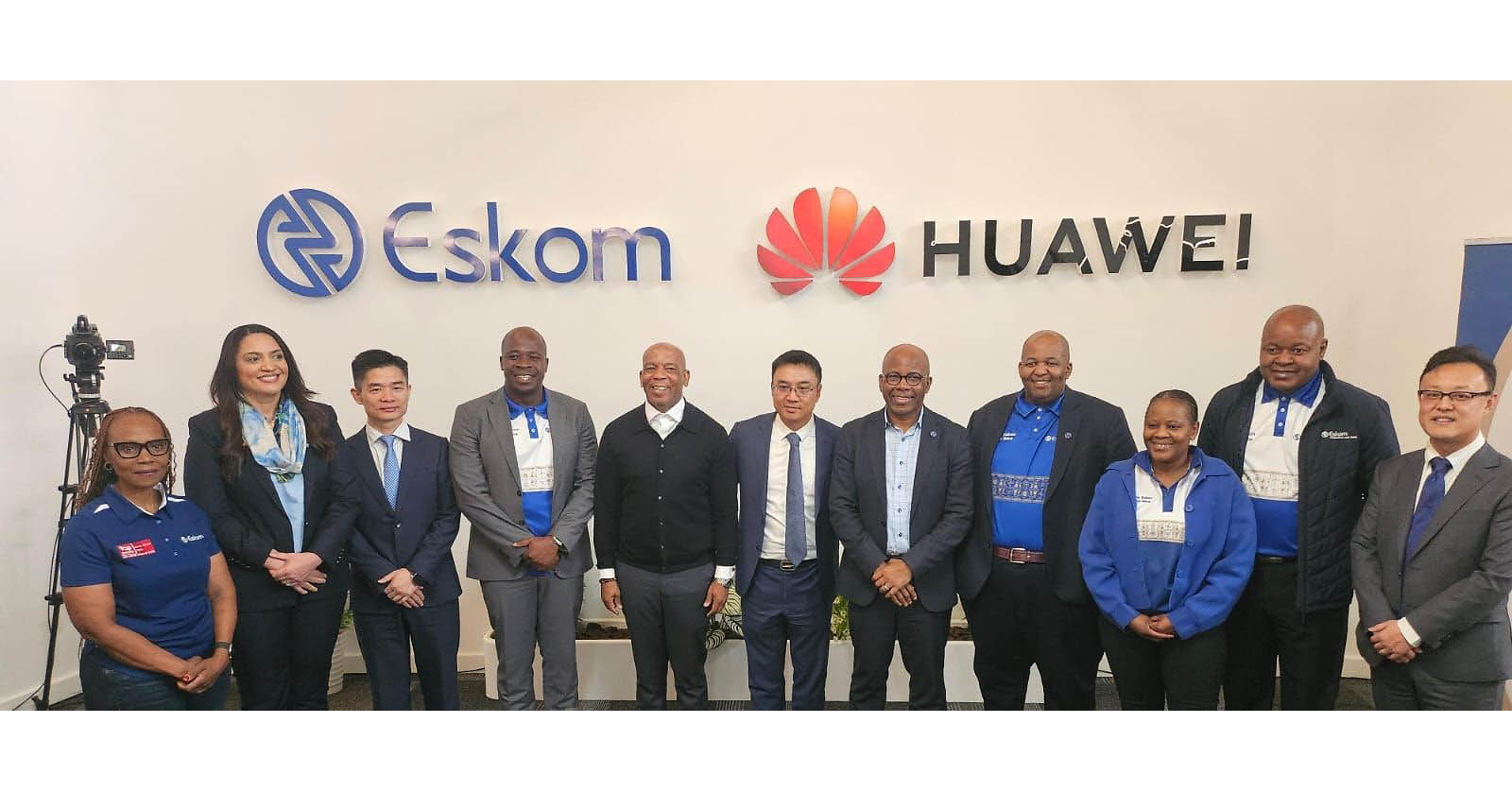
Eskom and Huawei held a ribbon-cutting for the Eskom Modernization Centre, including a Huawei-enabled “Smart Classroom” to train Eskom staff and South African youth in energy ICT, smart grids, cybersecurity, and digital operations/maintenance. The initiative is aimed at accelerating Eskom’s digital transformation to improve grid reliability, address South Africa’s long-running load-shedding issues, and support wider energy security and economic recovery. The announcement is constructive but primarily operational/strategic, with limited direct near-term financial impact.
This is less a company catalyst than a procurement signal: Eskom is effectively admitting that reliability gains now depend on software, telemetry, and cyber hardening as much as generation capacity. The first-order spending pool is modest, but the second-order implication is meaningful for grid automation vendors, SCADA/ADMS providers, and cyber suppliers that can bundle training + deployment + maintenance into multi-year contracts. In emerging markets, these programs often become the qualifying event for larger capex frameworks 6-18 months later, especially when utilities need to prove local capability before scaling vendor relationships.
The competitive angle favors incumbents with end-to-end electrical and digital grid stacks over pure hardware suppliers. Huawei’s presence is a reminder that geopolitical sensitivity can still cap addressable markets for Western vendors, but it also raises the bar for local competitors because utilities increasingly want a single vendor that can deliver cybersecurity, dispatch, and workforce training together. The likely losers are legacy O&M labor models and fragmented local IT contractors whose value proposition erodes once utilities digitize fault detection and remote operations.
Near term, I would not expect a tradable move in South African power equities from this alone; the market will only care if it translates into fewer outages or better collection rates. The real catalyst path is data, not press release optics: load-shedding hours, SA utility ARP/OPEX, and procurement awards over the next 1-3 quarters. If reliability metrics do not improve, this reads as reputational signaling rather than earnings-relevant reform.
Contrarian view: consensus may be underestimating how long implementation takes. Training centers are easy to announce, but digital dispatch integration and cybersecurity validation usually delay monetization by quarters, not weeks. That argues for owning the secular beneficiaries of grid digitization globally, while treating any South Africa-specific operational turnaround as a watch item until the data confirm it.
AI-powered research, real-time alerts, and portfolio analytics for institutional investors.
Request DemoOverall Sentiment
mildly positive
Sentiment Score
0.25
