
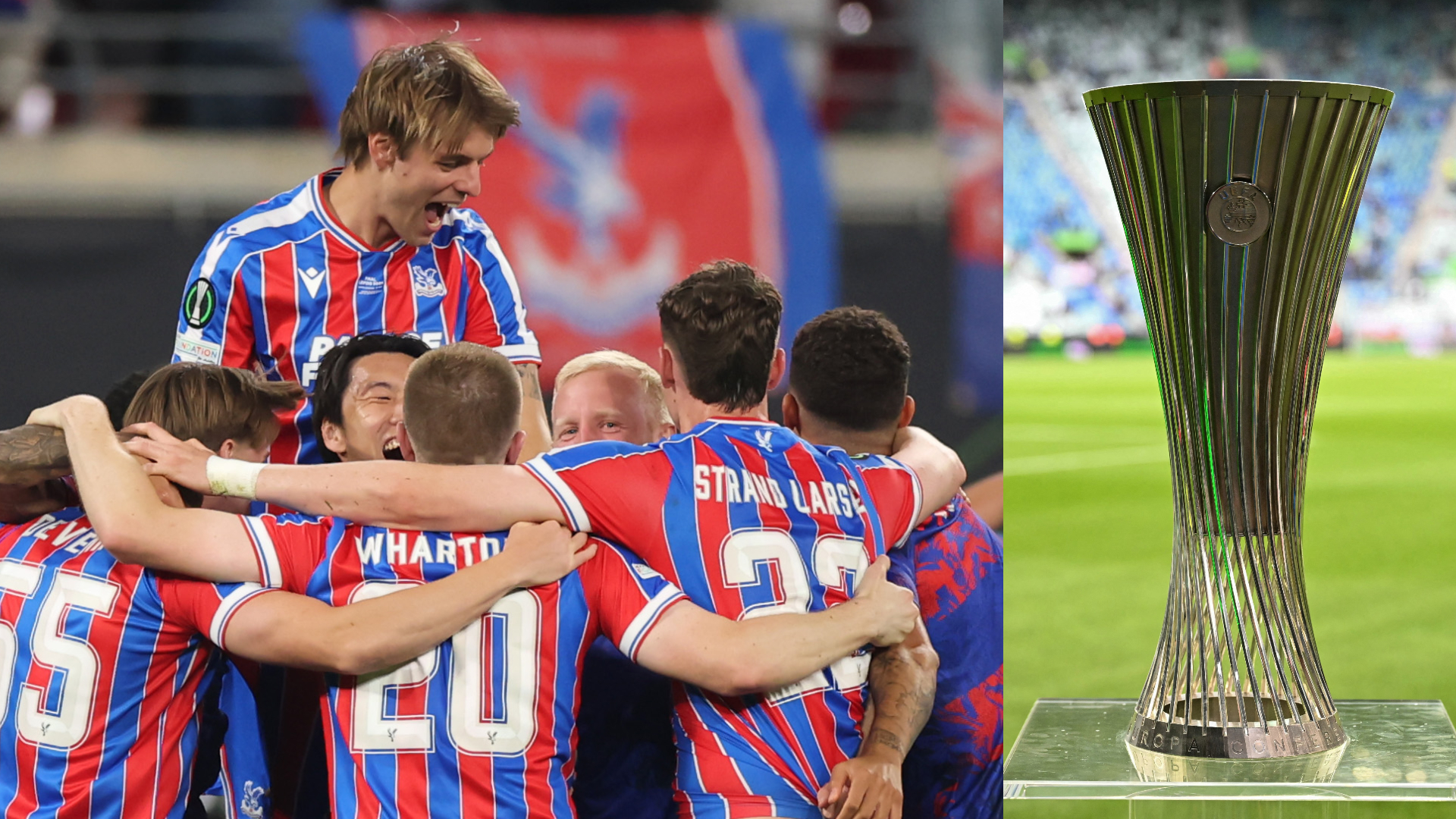
Crystal Palace won the UEFA Conference League 1-0 over Rayo Vallecano, securing automatic qualification for the 2026/27 UEFA Europa League despite finishing 15th in the Premier League. The result gives the Premier League nine clubs in UEFA competition next season, matching its record from 2025/26. Palace become the third English club to win the Conference League, after West Ham United and Chelsea.
The immediate market read is not Palace-specific but league-wide: an extra English entrant in Europe marginally increases fixture congestion, travel load, and squad-rotation demand across the lower and middle EPL bands. That tends to benefit depth-heavy clubs and punish thin rosters, especially in the same tier where European qualification and relegation risk overlap; over a 3-6 month horizon, the cleaner setup is for better-capitalized clubs with larger benches to outperform on relative basis as calendar strain compounds.
For Manchester United, the key second-order effect is not the competition itself but the probability of a steadier revenue and engagement cadence if they can sustain Champions League access. The market usually prices European participation as a flat revenue uplift, but the bigger equity lever is volatility compression: more predictable match inventory improves sponsorship renewals, media inventory, and summer transfer optionality. That matters most over 12-24 months, not in the next few sessions.
The contrarian angle is that the headline may be over-interpreted as universally bullish for English football while understating how much of the gain is already embedded in club valuations after a prolonged period of Europe-heavy schedule normalization. The more actionable edge is to fade teams likely to suffer from squad thinning, injury clustering, or travel fatigue, rather than chasing the qualifying clubs themselves. In other words, the winners are often the clubs that avoid Europe, and the losers are the ones whose domestic points expectations are most elastic to midweek load.
A hidden tail risk is fixture congestion interacting with managerial instability: if a Europe-qualified club starts poorly, the presence of extra games can accelerate a coaching change and create a self-reinforcing drawdown in league form. That sets up a tactical window around the first 8-12 league matches of the season, when the market usually underestimates the cost of rotation and missed training time. If the injury list builds early, the relative performance gap between deep and thin squads can widen quickly enough to matter for season-long pricing.
AI-powered research, real-time alerts, and portfolio analytics for institutional investors.
Request TrialOverall Sentiment
moderately positive
Sentiment Score
0.35
Ticker Sentiment
