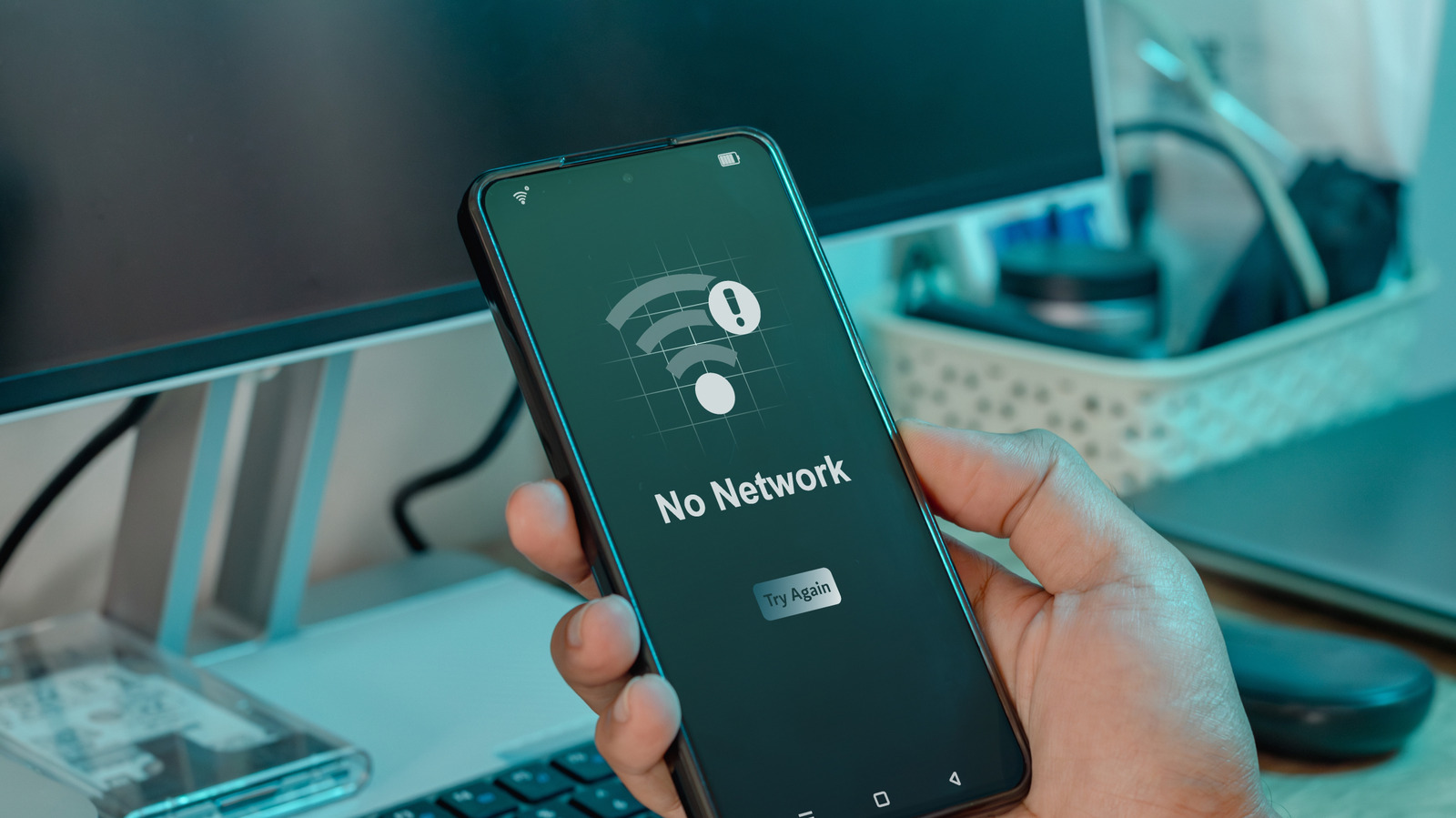
Android 17 on Pixel devices is being hit by a Wi‑Fi bug that prevents some apps, especially Google apps and in some cases TikTok, from opening unless users switch to mobile data. Some users report a workaround by enabling IPv6 on their routers, but Google has not issued an official fix. The issue adds to frustration around the Android 17 rollout and could weigh on user experience, though the market impact is likely limited.
This is less a headline about a single bug and more a reminder that Android’s update cycle creates a short, recurring trust tax for Google’s ecosystem. The immediate loser is GOOGL’s consumer platform quality perception: when core Google apps intermittently fail on basic network states, it increases support burden, raises churn risk at the margin, and makes enterprise/device-management buyers more cautious about rapid OS adoption. The second-order effect is not revenue loss from one bad week, but a slower cadence of user migration to the newest Pixel/Android stack, which can dampen the halo effect around hardware refreshes and Google services engagement.
The market impact should stay small in dollars but meaningful in narrative. Because the issue appears concentrated among early adopters, the near-term financial hit is likely negligible; the real risk is if this becomes a pattern alongside other post-update bugs, reinforcing a “beta-quality” brand around Pixel. That matters because Google’s hardware and services strategy depends on convincing users that its stack is more integrated and reliable than Apple’s — repeated friction erodes that premium and gives Samsung, OnePlus, and even iOS a softer comparative advantage in reliability.
The contrarian view is that this may actually be a net positive for Google if it forces users to engage with the issue tracker and router-level troubleshooting, because the fix may be cheap and localized rather than architectural. If IPv6/network-stack interplay is the culprit, the probability of a fast software patch is high, limiting the duration to days or a few weeks. The larger risk is reputational: if this is an edge-case interaction rather than a single bug, the tail can extend for months as fragmented router configurations keep reproducing failures.
AI-powered research, real-time alerts, and portfolio analytics for institutional investors.
Request DemoOverall Sentiment
mildly negative
Sentiment Score
-0.20
Ticker Sentiment
