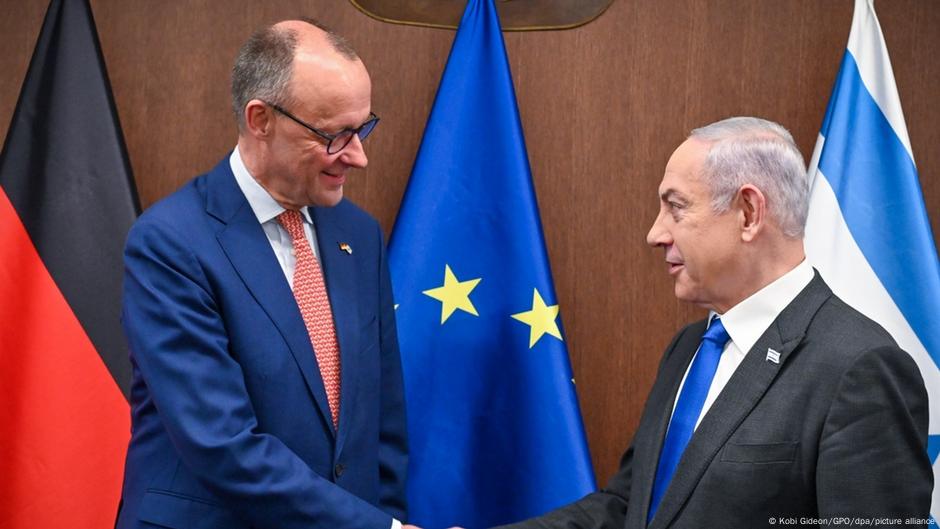
Germany's stance on the Israel-Gaza conflict is shifting, with Chancellor Friedrich Merz expressing unprecedented criticism of the Israeli army's actions and suggesting a breach of international humanitarian law; this marks a departure from Germany's traditional unwavering support rooted in its "reason of state" and historical responsibility, though complete cessation of arms exports is unlikely as the government seeks to balance humanitarian concerns with Israel's security needs amid regional threats, while other European nations are considering sanctions.
Germany's official stance towards Israel's military operations in Gaza is undergoing a notable hardening, with Chancellor Friedrich Merz publicly stating he "frankly no longer understand[s] with what goal" the Israeli army is operating and asserting that, in his view, "a line had been crossed and international humanitarian law had been breached." This marks a significant departure from Germany's long-standing "reason of state" policy, which historically prioritized unrestricted support for Israel's security due to Germany's responsibility for the Holocaust, a stance Merz initially echoed after becoming Chancellor. The criticism extends to specific actions, including causing extensive civilian suffering that Merz stated "can no longer be justified as a fight against Hamas terrorism," and the obstruction of humanitarian aid, an issue also vociferously raised by French President Emmanuel Macron who termed Israel's acts "shameful." This evolving German position aligns with a broader international trend, as France, the UK, and Canada have indicated readiness to impose sanctions on Israel. Within Germany, there are increasing calls for a suspension of arms exports, which totaled €161 million ($182m) to Israel last year, with politicians like SPD MP Isabel Cademartori warning of potential German complicity in war crimes. However, the German government, including Foreign Minister Johann Wadephul, currently opposes a complete cessation of arms deliveries, citing Israel's ongoing existential threats. Consequently, while Germany's rhetoric towards the Netanyahu government has become significantly sharper, the overall policy appears to be shifting towards more critical engagement rather than an immediate, drastic policy overhaul such as a complete arms embargo, reflecting a complex balancing act between humanitarian concerns, international law, and perceived security imperatives for Israel.
AI-powered research, real-time alerts, and portfolio analytics for institutional investors.
Request DemoOverall Sentiment
Negative
Sentiment Score
-0.50
