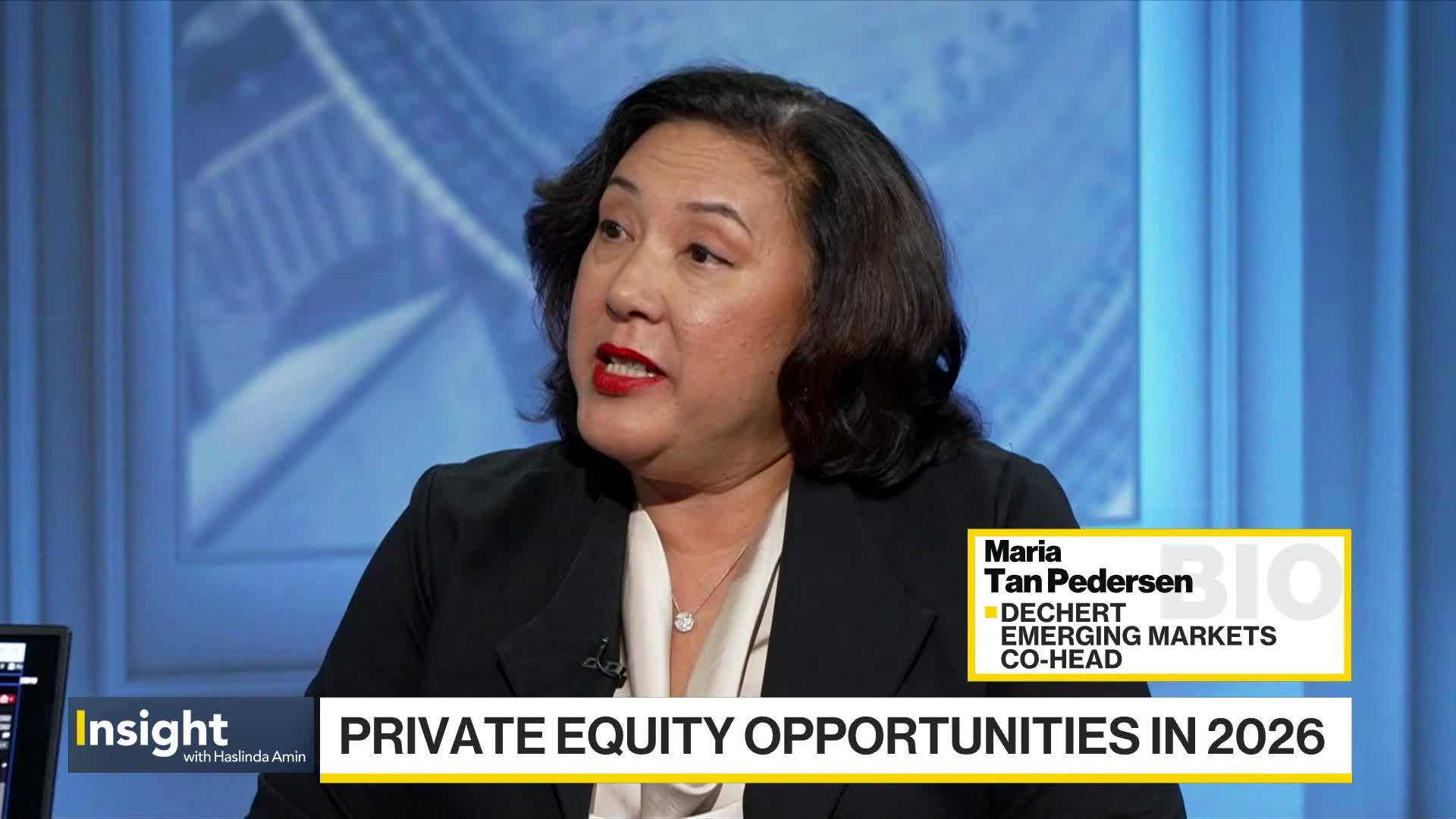
A survey of more than 100 private equity professionals (managing roughly $2.5bn+ and not first‑time funds) shows cautious optimism for 2026 driven by stronger buyout/exit values and bespoke deal-making tools. Key takeaways: APAC respondents are more optimistic than global peers (only ~30% of APAC cite geopolitical headwinds versus ~68% globally), valuations rose by double digits year‑on‑year, private credit usage has roughly doubled in popularity, and managers are increasingly using continuation vehicles, GP‑led secondaries and earnouts to bridge liquidity gaps while anticipating heavier IPO activity in Hong Kong and India. Fundraising trends include rising interest from family offices/retail (many expect ~10%+ of next funds from retail), but constrained exits and leverage costs remain primary risks.
Market structure: Winners are alternative asset managers and private-credit platforms (fee + carry capture) and APAC PE sponsors that can bridge valuation gaps; losers are traditional bank lenders and public-market exit-dependent LPs as holding periods lengthen and valuations rose double-digits Y/Y. Supply/demand: demand for liquidity is elevated (need to return cash to LPs) while exit supply is constrained, so GP-led secondaries, continuation vehicles and private credit supply will expand to fill a shortfall—expect private credit AUM growth >20% YoY in 2025–26 if trends persist.
Risk assessment: Tail risks include a geopolitical/tariff shock or a 150–300bp fast rise in global borrowing costs that blows out private-credit spreads and forces markdowns; operational risks include regulatory clampdowns in China on tech/IPOs. Immediate (days): IPO windows and newsflow create volatility; short-term (weeks–months): private-credit repricing and GP-led transaction cadence; long-term (quarters–years): fundraising recovery depends on exit activity returning to ≥75% of 2019 exit rates.
Trade implications: Favor managers with large private-credit franchises and APAC exposure (e.g., BX, ARES, KKR) and EM/India/HK ETFs (INDA, EWH) while trimming bank lending exposures. Use call spreads to express upside in alt managers and buy put spreads to hedge wealth manager/UBS downside. Rotate sector exposure into healthcare/tech and away from tariff-sensitive industrials; act within 30–90 days and horizon 6–18 months.
Contrarian view: Consensus underweights the probability China and India IPO windows materially re-open—if HK/IN IPO volumes exceed 2024 by >30% that will re-rate listed PE/alt managers; conversely private-credit may be underpriced for losses if defaults rise >2% absolute. Watch IPO oversubscription ratios and private-credit covenant looseness (monitor first-loss rates) as early signals.
AI-powered research, real-time alerts, and portfolio analytics for institutional investors.
Request DemoOverall Sentiment
mildly positive
Sentiment Score
0.28
Ticker Sentiment
