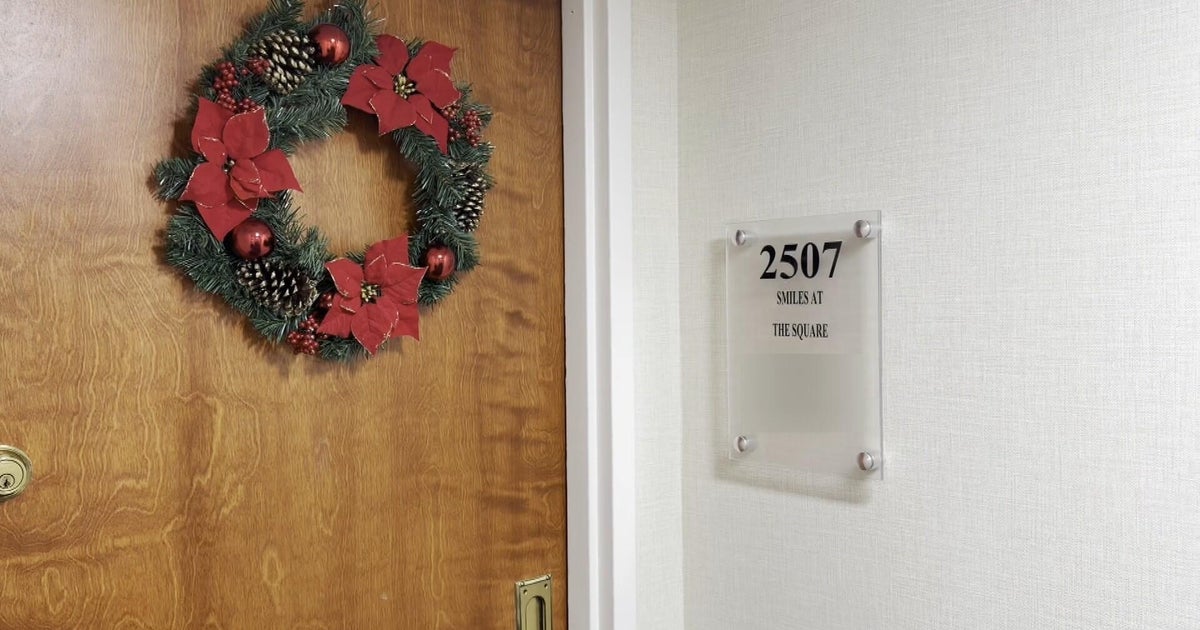
Pennsylvania regulators shut down Smiles at Rittenhouse Square and suspended dentist Dr. Kirti Chopra’s license after finding unsanitary practices that may have exposed patients to hepatitis B, hepatitis C, and HIV. Former patients treated between April 2025 and May 2026 are being contacted by mail and urged to get tested; a hotline has also been set up for questions. No known infections have been linked to the clinic yet, but the incident carries significant reputational and legal risk for the practice.
This is a classic localized public-health shock, but the marketable consequence is less about the clinic itself and more about the spillover to dental service utilization and regulatory scrutiny across the outpatient procedure chain. The near-term effect is likely a temporary demand pause for elective dentistry in the affected geography, with patients deferring cleanings, cosmetic procedures, and follow-up care until their testing/notification window clears. That creates a modest but real volume headwind for nearby private dental groups and DSOs, while testing labs and urgent-care/primary-care channels may see a short-lived bump in bloodborne-pathogen screening demand.
The second-order risk is reputational contagion. Even though this is an isolated incident, headlines like this tend to widen patient anxiety beyond the named practice and can tighten compliance behavior at adjacent clinics for months. That usually means higher operating friction: more sterilization audits, more documentation, possible appointment delays, and incremental SG&A for practices that already run thin margins. In the public markets, this is more of a sentiment/event risk than a fundamental sector rerating, but it can hit smaller private dental platforms and any publicly traded roll-up with exposure to Philadelphia-area consumer dentistry if patients become unusually cautious.
The bigger tail is regulatory follow-through. If investigators find broader lapses or other offices with similar control weaknesses, the story can shift from one-off negligence to a regional enforcement cycle, which raises the probability of license actions, practice closures, and malpractice claims over the next 1-3 quarters. That would be negative for owners of dental real estate, equipment lessors, and revenue-cycle firms tied to small-office throughput, because frozen chairs and delayed procedures directly slow collections while fixed costs keep accruing.
Contrarian angle: the immediate stock impact is probably overdone if investors extrapolate this to systemic healthcare transmission risk. The actual economic damage should be contained unless there is evidence of multiple sites or a named DSO platform in the chain. For public-market positioning, the cleaner trade is to own the remediation beneficiaries rather than short broad healthcare on headlines; the event is too localized to justify a sector-level de-risking unless additional regulatory disclosures emerge.
AI-powered research, real-time alerts, and portfolio analytics for institutional investors.
Request DemoOverall Sentiment
strongly negative
Sentiment Score
-0.70
