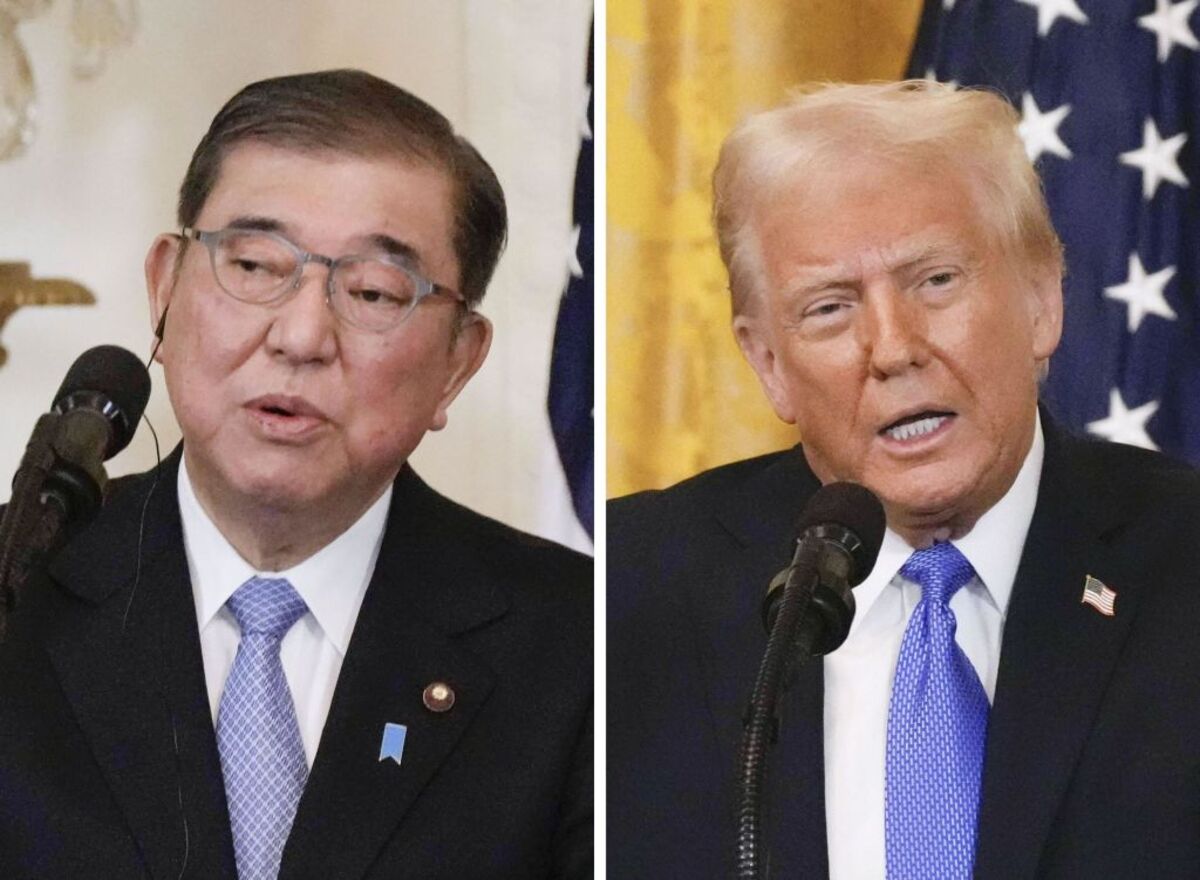
Japanese Prime Minister Shigeru Ishiba and US President Donald Trump held a 25-minute phone call to discuss tariffs, marking their second conversation in under a week. Ishiba indicated a deepened understanding between the two leaders and suggested a potential visit to the US before their expected meeting at the Group of Seven summit in Canada in mid-June, signaling efforts to reach a trade agreement.
Japanese Prime Minister Shigeru Ishiba's recent 25-minute phone call with US President Donald Trump, marking their second high-level discussion on tariffs in under a week, indicates a significant acceleration in diplomatic efforts to reach a trade agreement. Ishiba's post-call statement highlighting a "deepened understanding" and his readiness to visit the US before the anticipated G7 summit in mid-June suggest a proactive stance aimed at finalizing terms. This increased communication frequency, coupled with an optimistic tone surrounding the talks and a moderately positive sentiment signal (0.4), points towards a concerted push to resolve trade disputes, which aligns with key market themes of trade policy and tariffs. While no specific agreement details have emerged, the intensified dialogue itself is a noteworthy development for bilateral economic relations and could pave the way for a more stable trade environment between the two major economies, carrying a moderate market impact potential (0.55).
AI-powered research, real-time alerts, and portfolio analytics for institutional investors.
Request DemoOverall Sentiment
moderately positive
Sentiment Score
0.40
