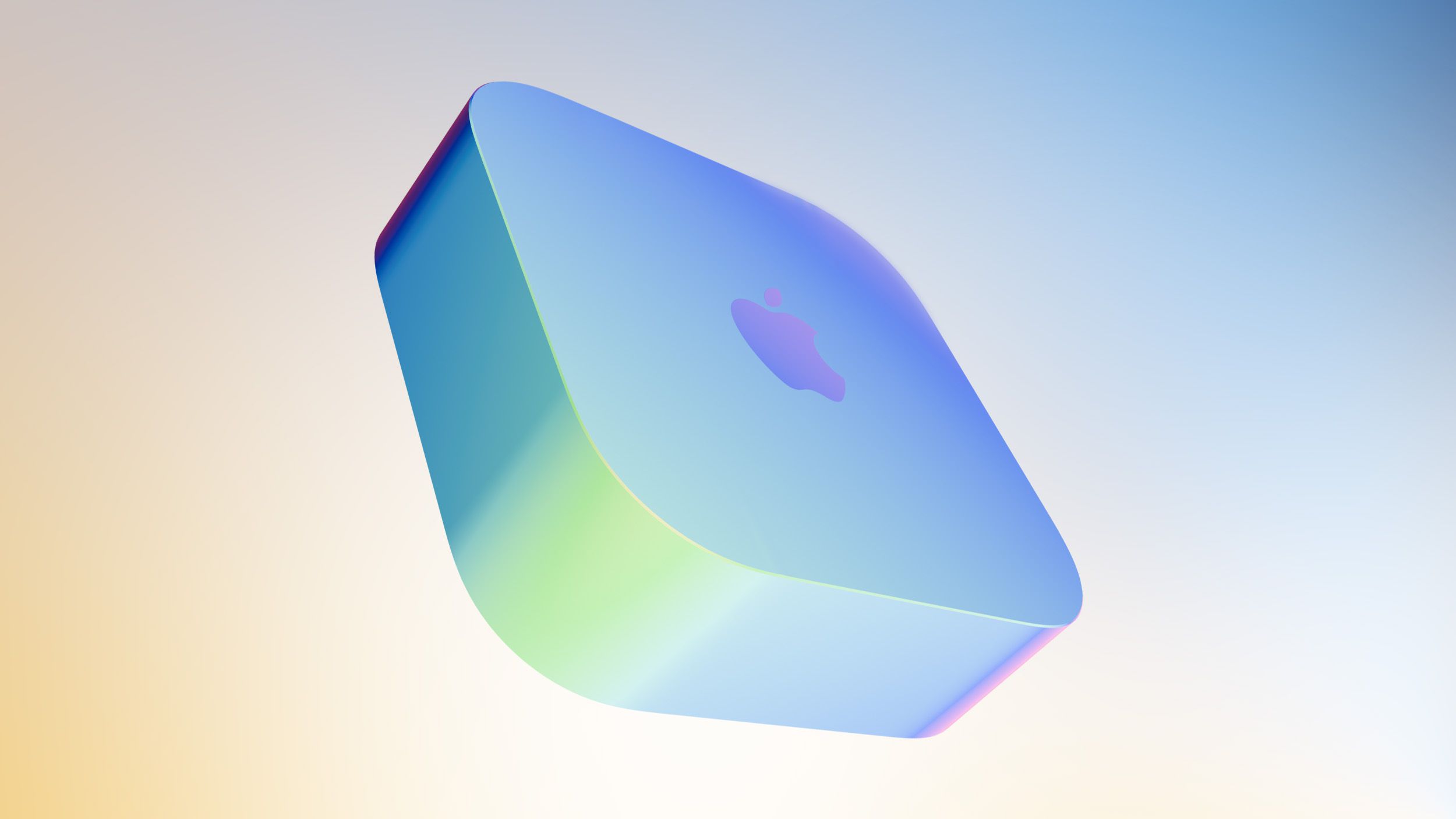
Apple is expected to refresh the Apple TV in 2026 with a new A-series chip, likely the A17 Pro, plus possible Wi-Fi 7, Bluetooth 6, and Thread support. The biggest constraint is Siri: the launch appears delayed until iOS 27 in September 2026 at the earliest, which also supports potential Apple Intelligence features. A cheaper model or price cut is possible, but exterior design is expected to remain unchanged.
The key market read-through is not the box itself but the forced coordination between Siri, Apple Intelligence, and the next wave of home devices. That linkage suggests Apple is willing to delay hardware monetization until it can ship a clearer AI narrative, which raises the strategic value of the home category as a control point for ambient computing rather than a low-margin accessory. For AAPL, that supports a longer-duration ecosystem thesis, but near-term hardware revenue uplift is likely more mix-shift than incremental demand.
Second-order beneficiaries are likely the silicon and networking stack. A newer A-series part plus a dedicated connectivity chip implies higher bill-of-materials content and more internalization of functions that otherwise would have been spread across commodity suppliers; that is favorable for Apple’s differentiation but can pressure external chip and accessory vendors if Apple reduces dependence on off-the-shelf components. If the device is used as a smart-home hub with stronger AI features, it can also increase engagement with HomeKit/Matter, which is a subtle but important retention lever for the broader installed base.
The main risk is timing slippage: each quarter of delay reduces the odds that this becomes a meaningful FY26 catalyst and increases the chance investors reclassify it as a niche refresh rather than an AI-enabled category expansion. Conversely, a cheaper tier would broaden TAM and could modestly offset softening upgrade cycles across iPhone/iPad, but it also risks margin dilution if the lower-priced model cannibalizes premium units. The market may be underestimating how much of the value is in services attach and home-platform lock-in rather than unit sales.
Contrarianly, the optimistic read may be overdone if investors assume the new Siri layer instantly changes consumer behavior. Home devices are won on reliability, latency, and setup friction; if Apple Intelligence features remain limited or episodic, this could look like a spec refresh with limited revenue impact. The better trade is to own the ecosystem optionality while fading expectations for immediate hardware lift.
AI-powered research, real-time alerts, and portfolio analytics for institutional investors.
Request TrialOverall Sentiment
mildly positive
Sentiment Score
0.15
Ticker Sentiment
