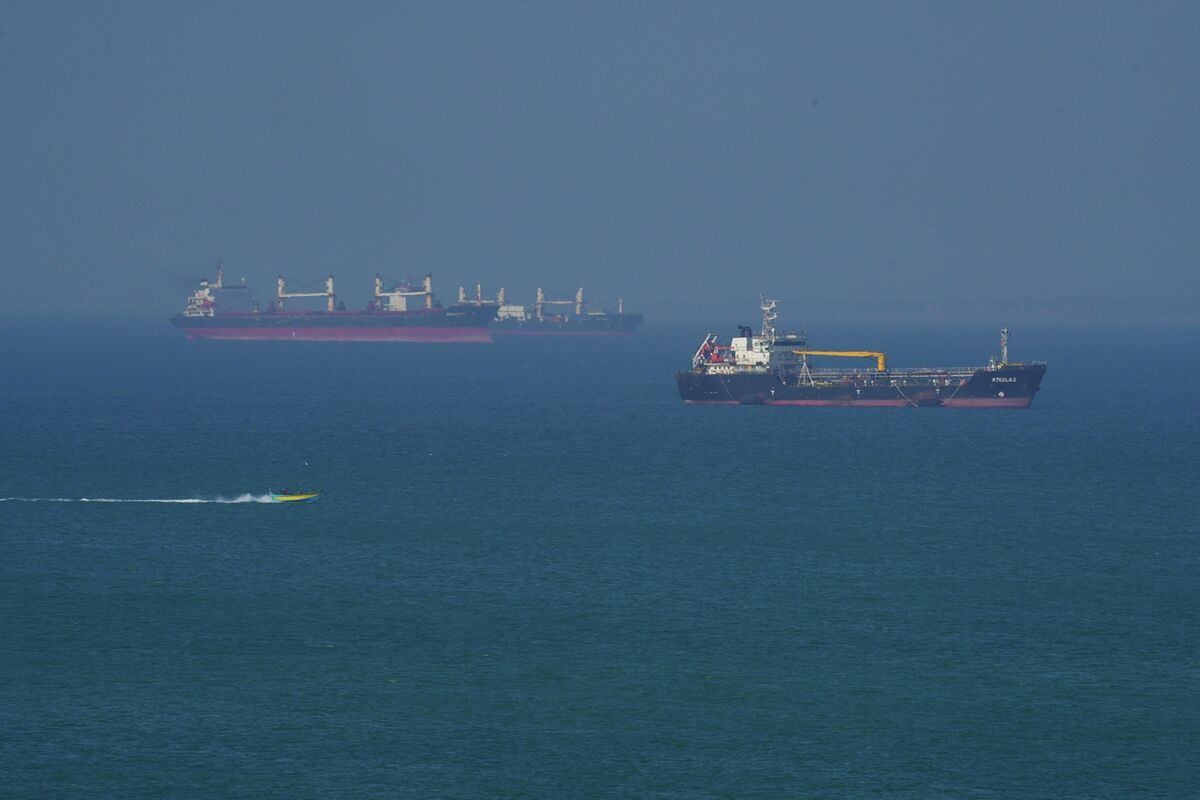
Aramco Trading Co. and Adnoc have moved crude cargoes through the Strait of Hormuz even as Iran has effectively closed the waterway, though total flows remain only a tiny fraction of pre-shutdown levels. The article highlights ongoing geopolitical risk to a critical oil chokepoint and continued disruption to global energy logistics. Iran’s seizure of a vessel after coming under attack from the US underscores elevated tension in the region.
The market’s first-order read is that the Strait is not fully shut, but the more important signal is that physical flows are becoming a permissions game rather than a logistics game. That creates a highly convex setup: even a small number of barrels moving can anchor the idea that the corridor is still functionally open, yet every additional incident raises the probability of a sudden, non-linear stop. In that regime, prompt prices can stay bid while deferred contracts lag, steepening backwardation and rewarding refiners with inventory already in hand.
The second-order beneficiaries are regional producers and shipping intermediaries with political cover, while the losers are anyone dependent on just-in-time Gulf supply and uninsured tonnage. European and Asian refiners face a hidden working-capital hit as freight, war-risk premiums, and demurrage costs rise faster than headline crude. The bigger risk is not a sustained volume loss alone, but a selective disruption that forces cargo rerouting and elongates voyage times, effectively removing more barrels from accessible supply than the headline outage implies.
The key catalyst horizon is days to weeks, not months: one additional seizure, missile strike, or sanctions enforcement episode can reprice the whole corridor. A de-escalation path would likely come from tacit enforcement restraint or third-party mediation, which would compress the geopolitical premium quickly. Until then, the asymmetry favors owning optionality rather than outright directional beta because the downside in a calm normalization is limited, but the upside in a supply shock is large and immediate.
Consensus may be underestimating how much of the current resilience is artificially propped up by strategic routing and state-sponsored workarounds. If that workaround capacity gets tested, the next leg higher in crude may come from logistics bottlenecks rather than lost production, which is harder for policymakers to offset. That makes refined products and tanker rates potentially cleaner expressions of the risk than flat-price crude.
AI-powered research, real-time alerts, and portfolio analytics for institutional investors.
Request DemoOverall Sentiment
mildly negative
Sentiment Score
-0.20
