
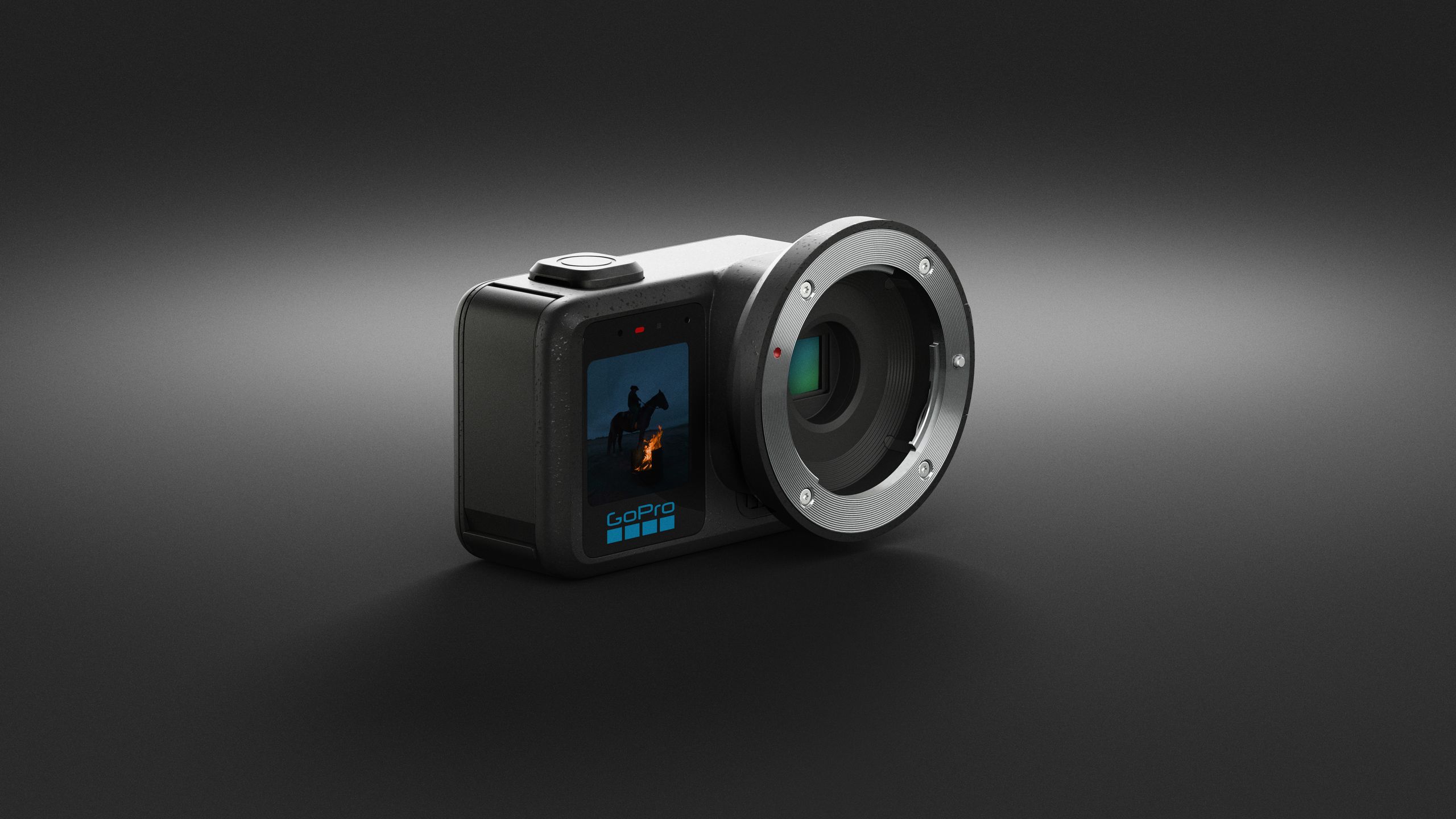
GoPro’s first mirrorless camera, the Mission 1 Pro ILS, is expected to launch in Q3 2026 with a 50MP one-inch sensor, Micro Four Thirds mount, 8K60p video, and 197g body weight. The launch is notable for its unusual design tradeoffs, including a 3x crop factor and manual focus only, which may limit appeal versus autofocus-equipped rivals. Pricing has not been announced, and the article frames the product as a potential strategic win as GoPro continues to face financial losses and layoffs.
This is directionally constructive for GPRO, but the market will likely treat it more as a narrative validation than a near-term P&L inflection. A mirrorless entry widens the company’s addressable market and could pull higher-margin lens ecosystem revenue into the franchise over time, but the lack of autofocus creates a meaningful conversion tax: it raises user friction precisely in the segments that spend the most on bodies and lenses. In other words, GoPro may be importing the low-volume, high-complexity economics of a niche camera maker without yet earning the brand trust that protects incumbents.
The more important second-order effect is competitive positioning versus Sony/Fujifilm/Canon and the residual Nikon 1-like compact mirrorless lane. GoPro’s differentiation is not sensor performance; it is stabilization, form factor, and content-creation workflow. That means the launch is most dangerous to action-cam adjacencies and cheap vlogging rigs, not to mainstream APS-C/full-frame bodies. If the company can bundle accessories, housings, and creator software, the attach-rate opportunity may matter more than unit volume, especially because lens sales can become a recurring revenue stream with better gross margin than hardware.
The risk setup is asymmetric on execution. This is a late-2026 product, so the stock can trade the story for multiple quarters before any revenue shows up; that gives bulls time but also extends the window for disappointment. The key downside catalyst is if reviewers frame the product as an interesting prototype but too manual-focus heavy for mass creators, which would cap sell-through and leave the launch as a one-off halo product rather than a platform reset. Conversely, any roadmap hint on autofocus, a lower-cost body, or creator-specific bundling could re-rate expectations quickly because the market is currently underpricing optionality but overpricing immediate monetization.
AI-powered research, real-time alerts, and portfolio analytics for institutional investors.
Request TrialOverall Sentiment
neutral
Sentiment Score
0.15
Ticker Sentiment
