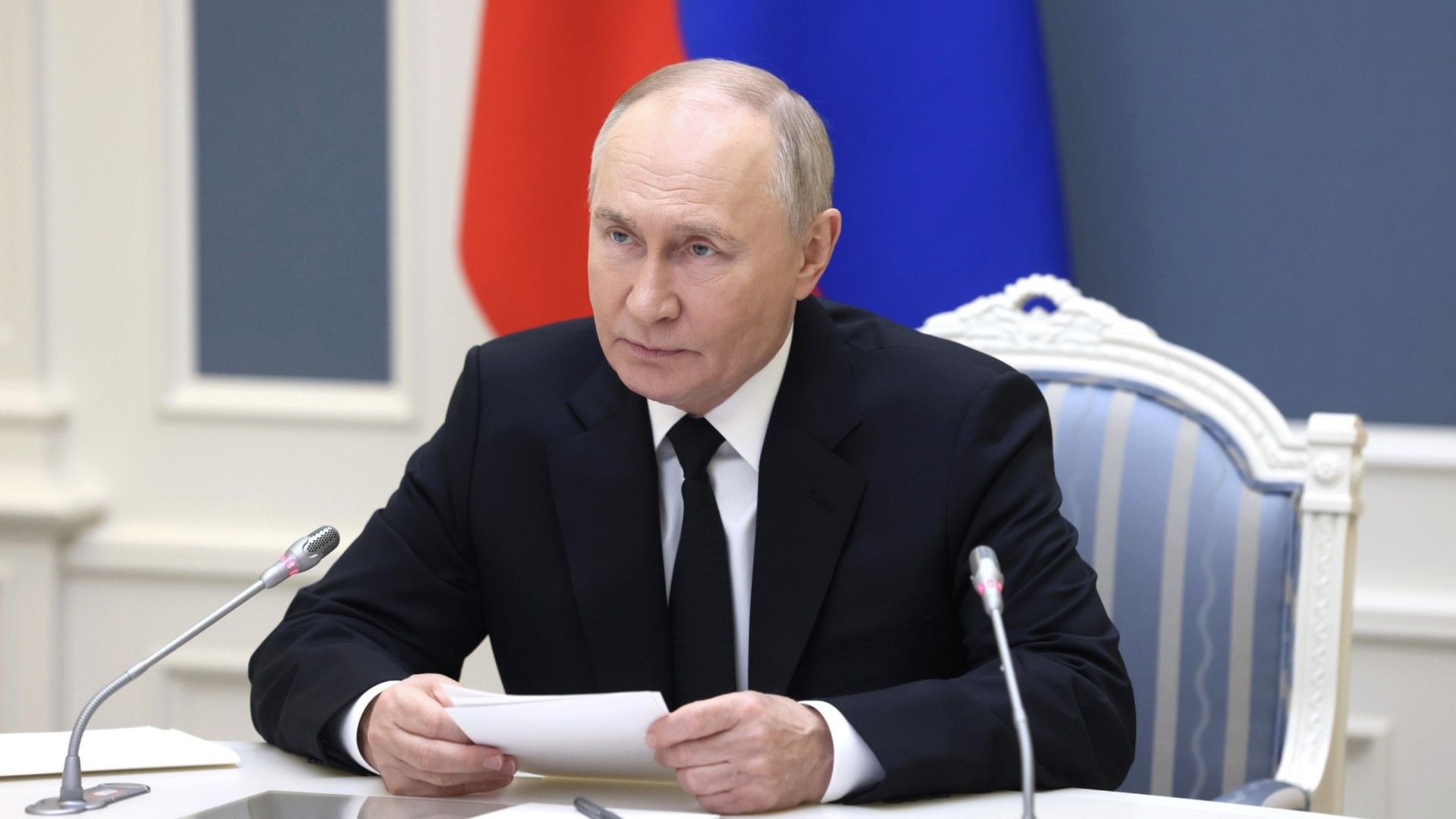
Russia closed 13 airports in the south after another Ukrainian drone attack damaged air traffic control equipment in Rostov-on-Don, while flight restrictions also disrupted Moscow airports including Vnukovo, Sheremetyevo, and Domodedovo. The article also notes ongoing drone strikes in Grozny, Perm, and Yaroslavl, underscoring elevated wartime disruption to transport infrastructure. Separately, the Kremlin signaled readiness for dialogue with European countries as the EU reportedly prepares for potential peace talks with Putin.
The immediate market implication is not the headline geopolitics but the erosion of Russia’s internal logistics reliability. Repeated drone disruptions to aviation and regional command-and-control increase the cost of moving people, freight, and military-adjacent cargo by air, which should marginally lift demand for rail, road, and private security services while pressuring domestic carriers and airport operators through lost throughput, crew repositioning costs, and reputational damage. The second-order effect is more important than the closure itself: if airlines begin planning around intermittent shutdowns, the system’s effective capacity permanently falls even when airports reopen, which raises unit costs and delays across the network.
The broader strategic signal is that escalation risk is becoming normalized, but the market may still be underpricing the operational drain on Russian infrastructure. Drone attacks deep inside the country force higher spending on air defense, perimeter security, and redundant control systems, effectively creating a slow-moving tax on the transport and industrial base. That matters because these costs compound over months, not days, and they are difficult to offset quickly unless the conflict de-escalates or Russia materially hardens its infrastructure, which is a multiquarter capex burden.
The contrarian view is that the most obvious trade—buy defense on headlines—may be crowded, while the cleaner setup is to fade domestic Russian transportation sensitivity and any assets reliant on uninterrupted internal mobility. A peace-talk narrative involving Europe could briefly compress volatility, but unless it changes the drone campaign or restores aviation confidence, it is mostly a headline hedge rather than a cash-flow reversal. The key catalyst to watch is whether disruptions spread from airports to rail hubs, fuel depots, or industrial nodes, which would mark a step-function increase in economic friction and broaden the trade beyond aviation.
AI-powered research, real-time alerts, and portfolio analytics for institutional investors.
Request DemoOverall Sentiment
moderately negative
Sentiment Score
-0.20
