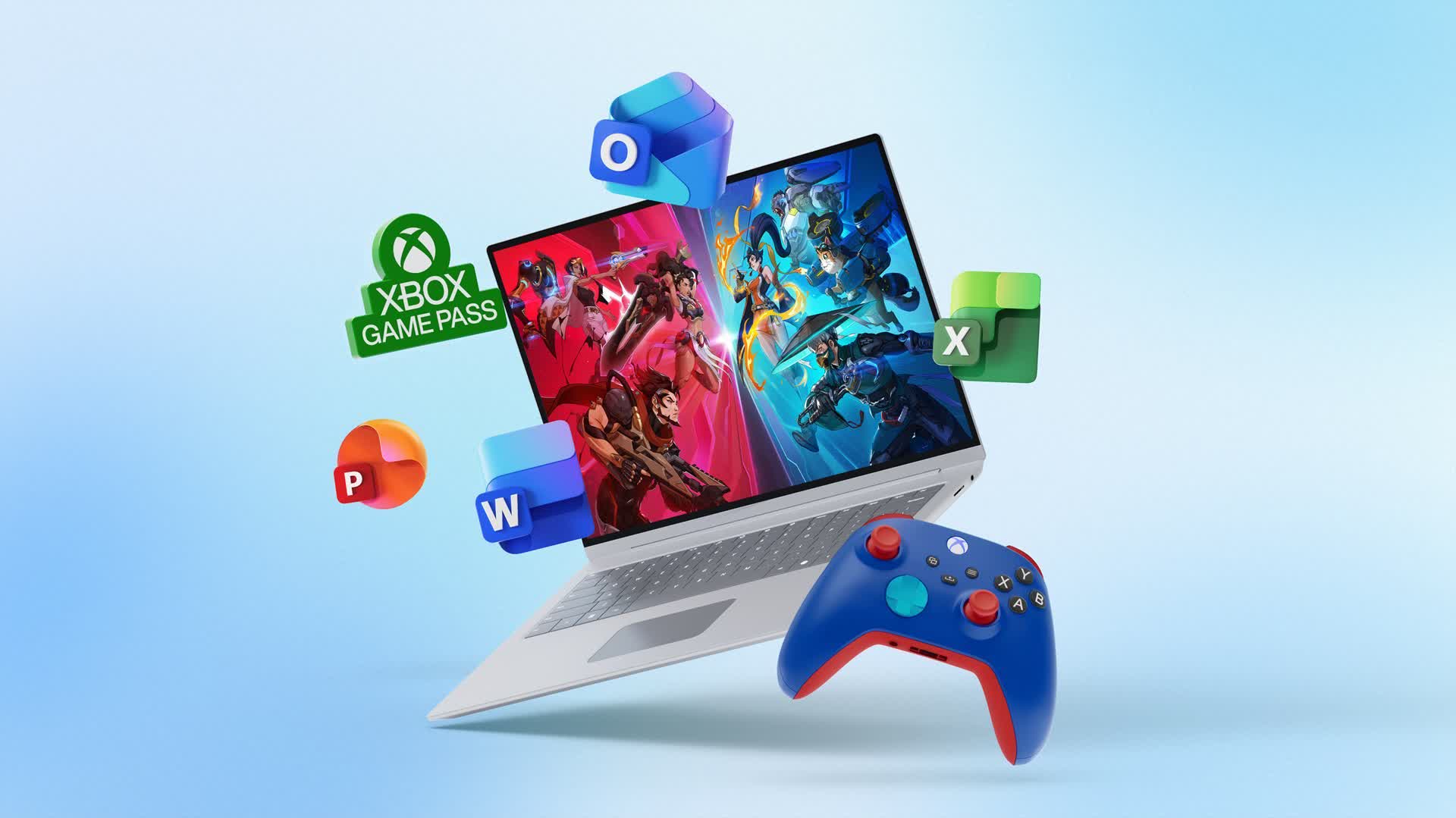
Apple's $600 MacBook Neo ($500 with student pricing) is pressuring the budget laptop market by undercutting the next-cheapest Apple laptop by almost half and challenging longstanding Windows dominance in entry-level PCs. Microsoft is responding with bundled student promotions, while retailers are surfacing Windows alternatives such as Lenovo's IdeaPad Slim 3 starting at $530 and HP's OmniBook 3 16 at $430. The article highlights supply chain pressures, rising Surface prices, and early demand that appears to be exceeding Apple’s internal expectations.
The immediate read-through is less about a single low-end MacBook and more about a pricing reset in the sub-$700 notebook tier. Apple is forcing a comparison on total product value rather than spec-sheet value, which compresses the moat that Windows OEMs historically used to defend share: cheap entry pricing and broad retail distribution. That makes the channel the real battleground, because retailers and OEMs now have to spend more to keep price parity while also funding promotions, which should pressure gross margin dollars before it meaningfully changes unit mix.
The second-order winner is not just Microsoft but the higher-end Windows OEMs that can attach better components at similar headline prices. If Apple’s budget Mac sustains demand, the likely response from Dell, HP, and Lenovo is to trade margin for shelf visibility and attach, which is positive for units but negative for profitability in the near term. Component suppliers may see a split outcome: memory-constrained platforms and low-end configurations get squeezed, while differentiated devices with more RAM/SSD headroom gain share as buyers use Apple’s entry price as the benchmark.
The catalyst window is days to weeks for promotional read-through, but months for true share shifts. The main reversal risk is supply normalization or a faster-than-expected discounting response from Windows OEMs that restores the old price ladder; another risk is that Apple’s entry model becomes allocation-constrained enough that the effective street price rises, blunting the halo effect. On the macro side, the promotion by Microsoft is tacit acknowledgment that Windows laptop demand is elastic at the low end, so the next 1-2 quarters should favor retailers and OEMs that can monetize bundle economics over pure hardware margin.
The contrarian view is that the market may be underestimating how much this helps Microsoft distribution rather than hurts it. If the low-end PC buyer is being pulled into Microsoft account creation, 365 trial conversion, and Xbox ecosystem usage, the promotion could improve lifetime value even if hardware economics remain thin. That suggests the competitive damage to Apple could be more muted than the headline implies, while the real impairment lands on commodity OEM profitability and on anyone exposed to low-end Windows share without software attach leverage.
AI-powered research, real-time alerts, and portfolio analytics for institutional investors.
Request DemoOverall Sentiment
neutral
Sentiment Score
0.15
Ticker Sentiment
