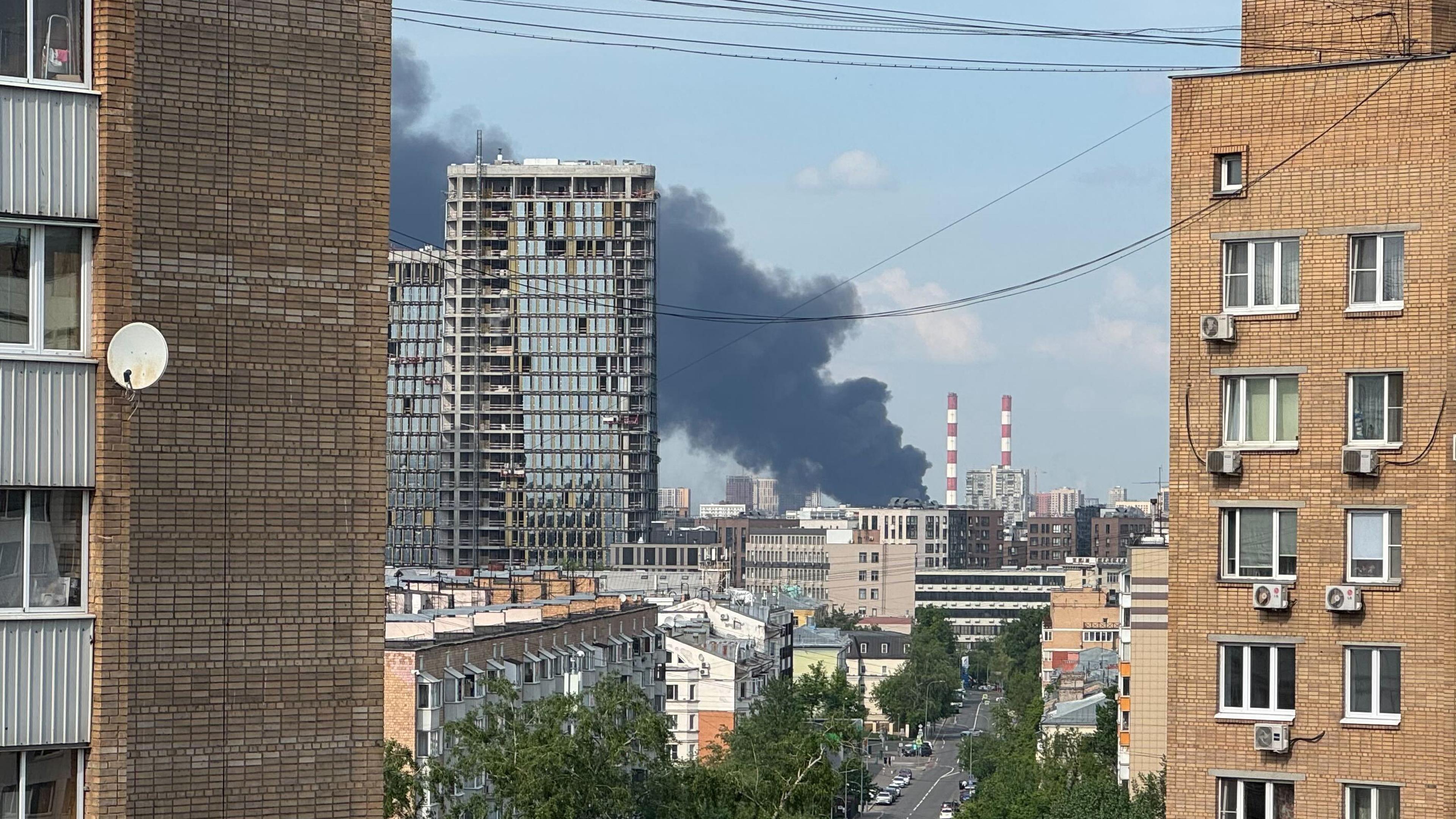
Ukraine’s largest drone attack to date on Moscow and surrounding regions killed at least three people near the capital and one in Belgorod, while Russian authorities said 1,000 Ukrainian drones were intercepted across more than a dozen regions in 24 hours. The strikes damaged residential buildings, infrastructure sites, and caused debris to fall near Sheremetyevo Airport, while intensifying attacks on Russian oil and energy infrastructure. The escalation increases geopolitical risk and could further pressure Russian energy assets, defense spending, and regional risk sentiment.
The market takeaway is not “more war,” but a step-function increase in Russia’s internal cost of security. Once drone defense becomes a standing operating expense around Moscow and key energy nodes, the burden shifts from front-line military spend to persistent capex/opex in air defense, repair, and redundancy—an unattractive mix for fiscal balance and for any asset with a long-duration cash flow tied to Russian stability. The key second-order effect is that even imperfect strikes force Russia to over-invest in point defense and logistics dispersion, lowering the efficiency of every ruble spent on offense.
Energy is the cleanest transmission channel over the next 2-8 weeks. Repeated hits on refining and transport infrastructure matter more than headline damage because they raise the probability of temporary product shortages, unplanned outages, and precautionary stockpiling across the region. That supports crack spreads and upside tail risk in diesel/gasoil more than crude itself; the bigger market move may come from refined product tightness in Europe and the Black Sea corridor rather than from Brent alone.
Transportation and logistics face a slower-burn risk premium. Airports, rail nodes, and road-adjacent infrastructure near the capital become more vulnerable to disruption, which can widen insurance costs and increase schedule uncertainty for freight moving through western Russia. Over months, that can quietly tax industrial throughput and raise domestic inflation, which is one reason the Russian state may tolerate headline escalation but still seek de-escalation behind the scenes if energy cash flow starts to leak.
The contrarian view is that this may be more strategically important than economically decisive in the near term. Ukraine is improving reach, but Russia still has depth, redundancy, and the ability to repair fast enough that the near-term earnings impact on global majors is likely modest unless strikes become systematic against export chokepoints. The setup is therefore better for tactical expression in refined products and defense than for a broad macro short on risk assets.
AI-powered research, real-time alerts, and portfolio analytics for institutional investors.
Request DemoOverall Sentiment
strongly negative
Sentiment Score
-0.78
