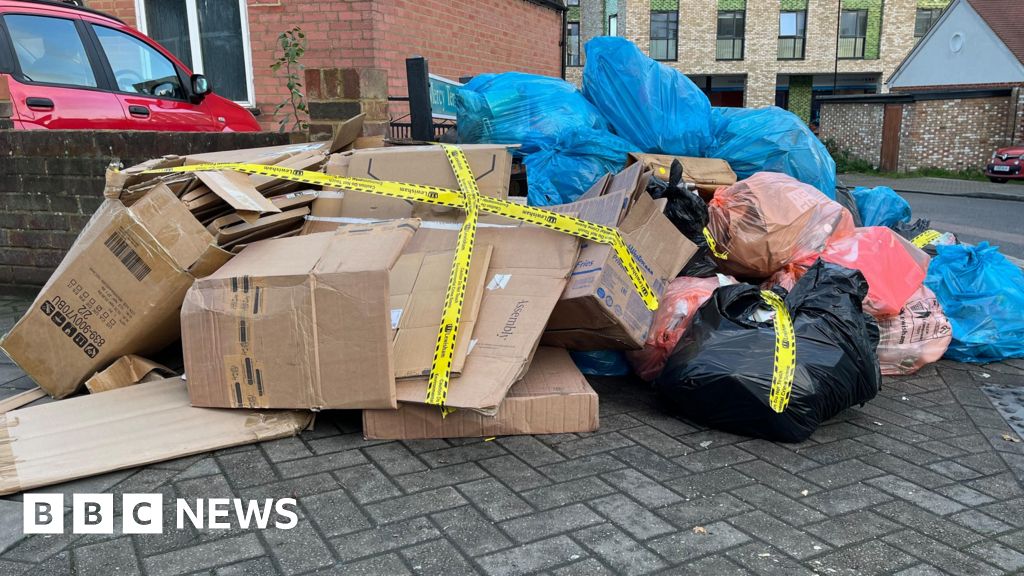
1.26 million fly-tipping incidents were recorded in England in 2024-25 (62% household waste) and the Environmental Services Association estimates cleanup costs at ~£1bn/year. The UK government has proposed adding driving licence penalty points (potential bans) and urging councils to seize/crush vehicles under a new Waste Crime Action Plan covering England, Scotland and Wales. A House of Lords report said waste crime is under-prioritised and opposition calls include independent review and NCA takeover for serious cases. This is a regulatory enforcement development with limited direct market impact but could reduce municipal cleanup burdens and raise compliance/enforcement costs.
This policy effectively converts an environmental enforcement problem into a predictable revenue stream for compliant remediation and asset-recovery businesses. Expect procurement cycles from local authorities to favor larger, contract-ready operators with scale in both clearing and evidence-handling; those players can convert enforcement wins into multi-year maintenance/monitoring contracts with 5–10% margin upside from higher utilisation and ancillary services (CCTV, legal support, transport).
A mandate to seize and crush vehicles creates a mechanically higher supply of salvage-grade metal and used-car cores. Even a conservative programme that adds 10k–25k seized vehicles annually in the UK would represent a low-double-digit lift in auction/salvage throughput, compressing prices for new parts while boosting volumes and fees for auction houses and recyclers within 3–9 months.
Risks are front-loaded to politics and capacity: legal challenges to seizure rules, local police resourcing, or a change of administration could pause roll-out within weeks-to-months, while contract awards and capex cycles take 6–18 months to materialise into measurable revenue. Watch for leading indicators — publication of bid specs, consolidated framework agreements, and unusual spikes in council procurement for crush/transport services — which precede cashflow by one to two quarters.
AI-powered research, real-time alerts, and portfolio analytics for institutional investors.
Overall Sentiment
neutral
Sentiment Score
0.00
