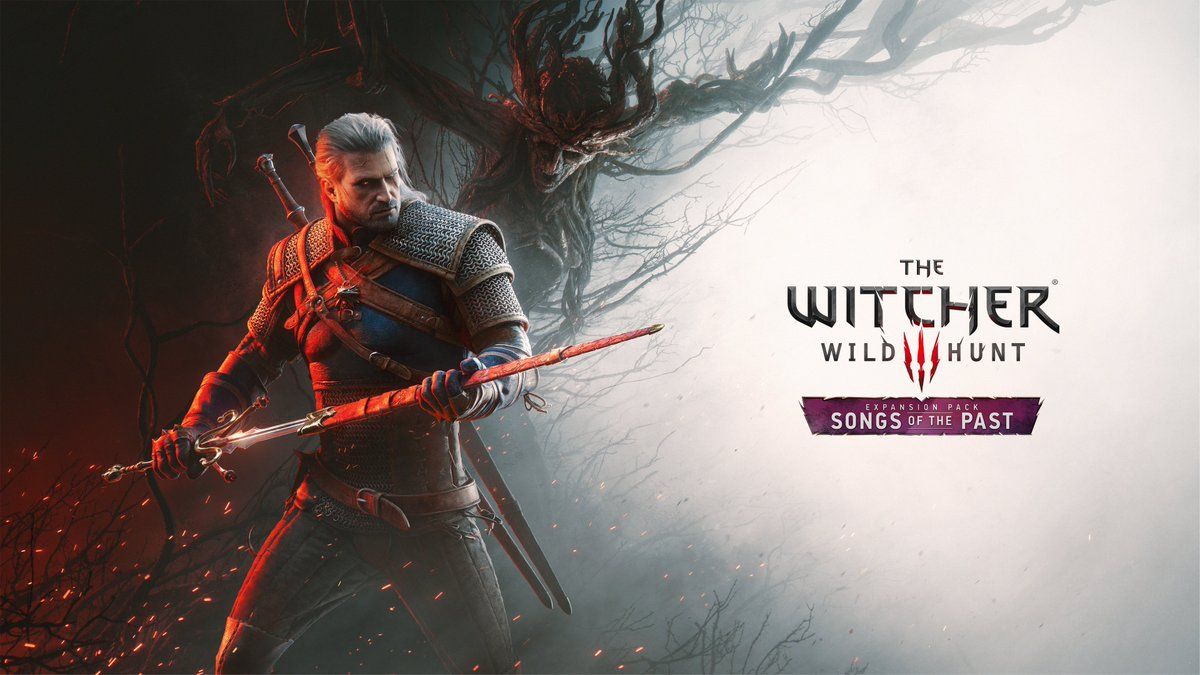
CD Projekt Red is raising minimum PC requirements for The Witcher 3's next expansion, including a jump to 12 GB RAM, 70 GB SSD storage, and newer CPUs/GPUs, while dropping support for Xbox One and Windows 10. The expansion is slated for a 2027 release on Xbox Series X|S, PS5, and PC. The update signals a technical refresh rather than a financial catalyst, with limited near-term market impact.
The key market read is that this is less about one game and more about an aging software franchise being used to pull the install base forward to current-generation hardware and software. That creates a small but real read-through for GPU and CPU mix: once a title’s minimum spec jumps from “good enough” legacy parts to midrange current-gen components, it disproportionately benefits the vendors whose products are already embedded in mainstream gaming PCs, not the ultra-high-end. The incremental dollar pool is modest, but the signal matters because large publishers tend to follow each other when they see low-friction paths to raising baseline specs. The second-order loser is Microsoft’s long tail of Windows 10 monetization. Dropping support from a flagship PC title is another nudge that turns an optional OS upgrade into a practical requirement for gamers, and gamers are often early adopters on performance-sensitive upgrades. That should incrementally lift Windows 11 attach rates and indirectly support the broader PC refresh cycle, which is a better lens than trying to trade the game itself. For Intel, the takeaway is mixed: stricter CPU requirements help current-gen volume, but the inclusion of a relatively modest mainstream processor floor suggests this is not a high-end halo event. From a chip-software cycle perspective, AMD and Nvidia are the cleaner incremental beneficiaries because mainstream gamers often buy to spec, not to benchmark. Any uplift should show up over months, not days, and mostly through seasonal PC upgrade decisions and GPU sell-through rather than immediate earnings changes. The contrarian risk is that the audience still playing a 10+ year-old title on old hardware is price-sensitive; if broader gaming demand is weak, publishers can raise requirements without actually converting enough unit demand to move hardware shipments materially. The broader miss in consensus is that this is a demand-quality story, not a demand-quantity story: the value is in encouraging a better mix of hardware, higher attach to newer operating systems, and a small uptick in upgrade urgency before the 2027 launch window. If Microsoft can keep pushing Windows 11 conversion while OEMs refresh on AI PC messaging, this kind of software gatekeeping becomes a subtle tailwind for the PC ecosystem rather than a one-off gaming headline.
AI-powered research, real-time alerts, and portfolio analytics for institutional investors.
Request DemoOverall Sentiment
neutral
Sentiment Score
-0.05
Ticker Sentiment
