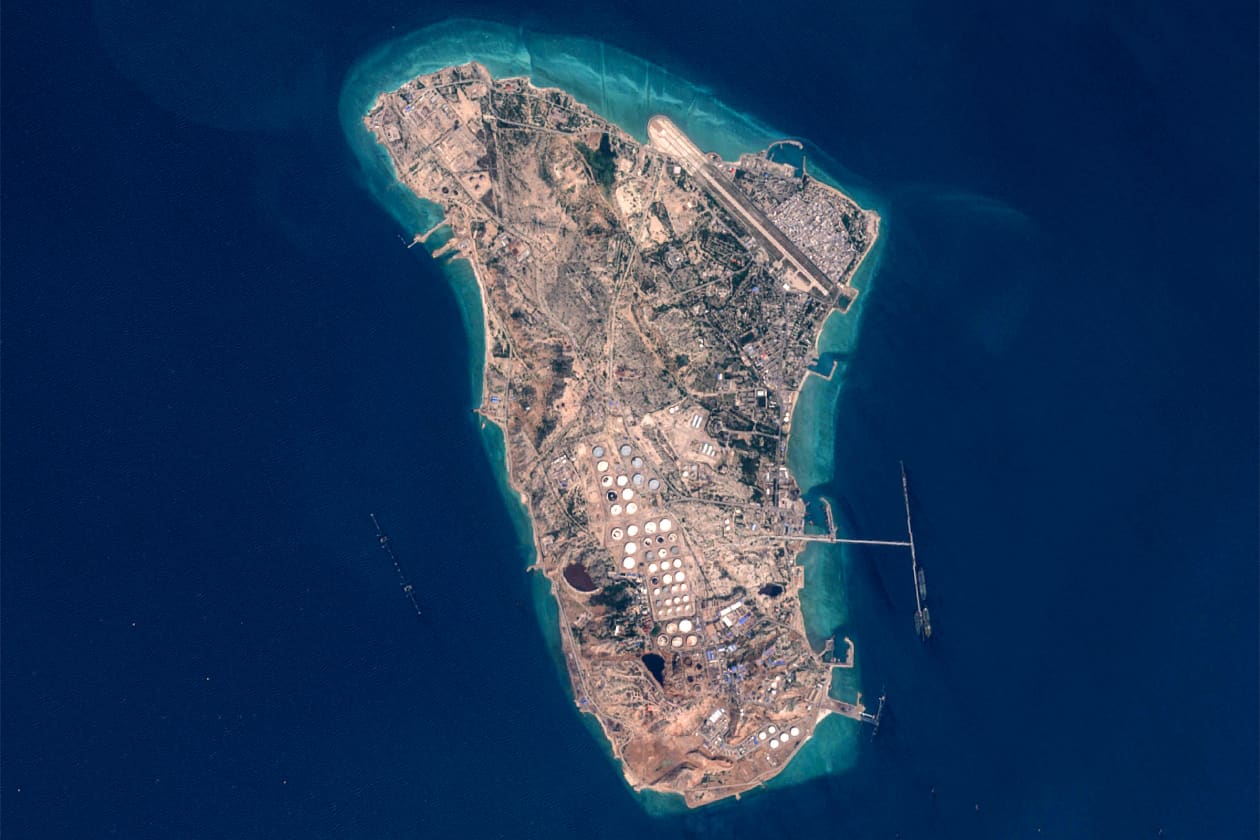
Brent rose nearly 2% to $110.60/bbl and WTI gained 0.9% to $97/bbl after Axios reported the Trump administration is considering occupying or blockading Iran’s Kharg Island, which handles about 90% of Iran’s oil exports. The report, coupled with Israel saying it won’t target energy infrastructure, drove faster intraday oil price moves and heightened geopolitical risk to Strait and export routes.
A hit to a major Persian-Gulf export node would not just lift headline crude prices — it re-engineers where crude flows, who pays for transport, and which margins widen. Expect tanker time-charters and freight-insurance premia to spike first, compressing refiners' netbacks in import-heavy regions while benefiting owners of VLCCs and Suezmax tonnage; historical analogs show TC rate rallies that persist 3–9 months after a chokepoint shock.
Market mechanics give US domestic barrels optionality that global-priced crudes do not: producers with hedged volumes and takeaway flexibility can monetize higher backwardation quickly, so smaller-cap E&P with low operating leverage to service costs tend to convert price moves to FCF faster than integrated majors. Conversely, refiners with Brent-linked feedstock and thin complexity (heavy-sour exposure) are the soft underbelly — their crack spreads can swing 300–600bps in the first quarter after sustained export disruption.
Key catalysts and triggers split by horizon: days — headline volatility, insurance dumps, and jumbo speculative flows into futures; weeks to months — re-routing of cargoes, charter reallocation, and SPR/diplomatic interventions that can unwind premia; quarters — reconfiguration of trade lanes (terminals, storage build-outs) and contracting cycles for tankers/terminals. A persistent 0.8–1.2 mb/d equivalent reduction historically maps to single-digit to low-teens $/bbl shocks in the near-term, but the feedback into shipping costs often amplifies the real-economy impact beyond crude-level moves.
AI-powered research, real-time alerts, and portfolio analytics for institutional investors.
Overall Sentiment
neutral
Sentiment Score
0.00
