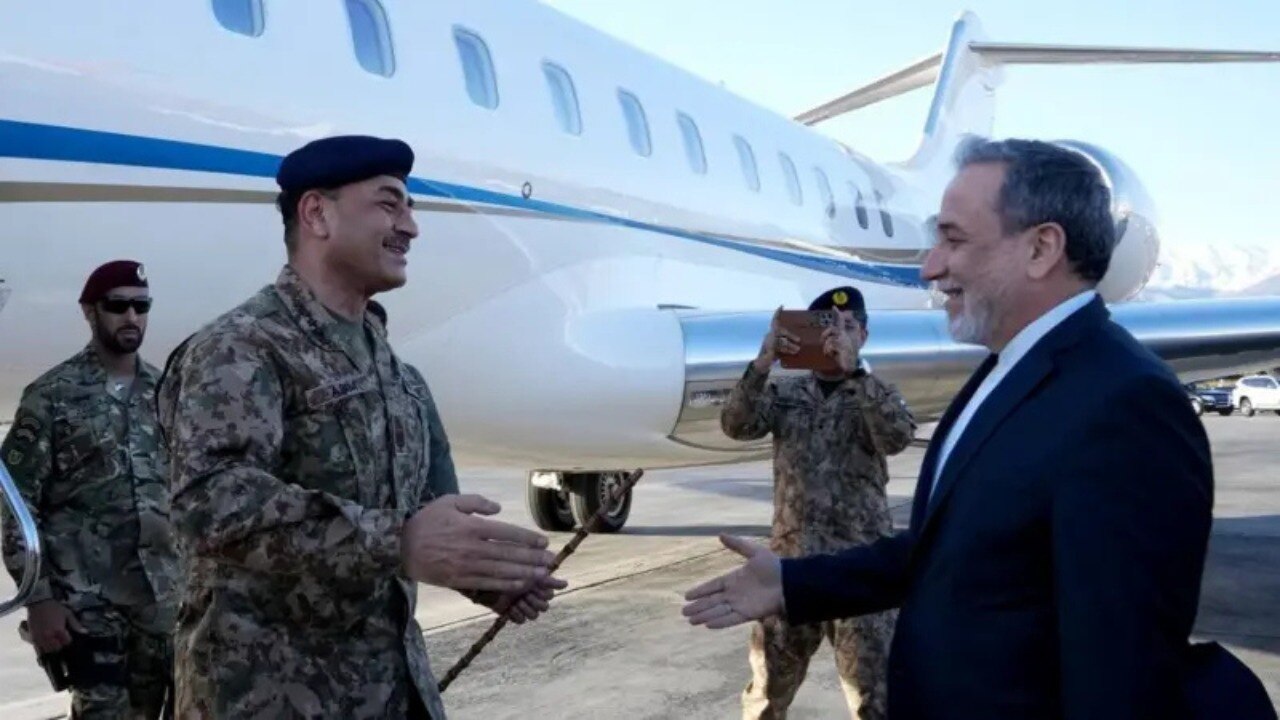
Pakistan’s army chief Asim Munir appeared to lead a Tehran diplomatic visit, with Interior Minister Mohsin Naqvi visibly in the background, reinforcing perceptions that the military—not civilian leadership—controls key foreign and security decisions. The trip comes as Pakistan tries to keep a US-Iran mediation channel alive after April 11 talks failed to produce a deal on Iran’s nuclear programme, sanctions, and the Strait of Hormuz. The article is politically significant but has limited direct immediate market impact.
The market takeaway is not the theater itself; it is that Pakistan’s external bargaining function is increasingly centralized in a single coercive node, which lowers policy dispersion in the near term but raises regime-fragility risk over a 6-18 month horizon. For emerging-market risk, that usually means fewer “surprise reform” rallies and more credibility discounting: sovereign spreads may stay pinned until a catalyst forces the civilian facade to matter again, but any deterioration in the Iran/US channel would likely transmit through FX, reserves, and imported energy costs faster than through headline equity indices.
Second-order effect: if Islamabad is the effective intermediary on Iran channels, it gains temporary relevance with Washington and Gulf capitals, but that also makes Pakistan a conduit for backlash if talks stall. The tail risk is not a war headline alone; it is sanctions exposure, aviation/security premium creep, and a stronger incentive for capital flight from domestic risk assets if foreign policy is perceived as militarized and unpredictable. That dynamic tends to hurt local financials and consumer discretionary names first, then feed into higher funding costs for quasi-sovereign infrastructure and defense-linked contractors.
The contrarian read is that the visible concentration of power may actually be stabilizing for markets in the short run: a single decision-maker can move faster on crisis mediation and keep external patrons engaged. So the immediate trade is less about directional Pakistan assets and more about dispersion: beneficiaries are sovereign credit and select state-aligned intermediaries if talks progress; losers are domestic governance-sensitive equities if the military’s primacy becomes a recurring headline and undermines reform expectations. On balance, the signal is mildly bearish for the investable Pakistan story, but the punchline is timing — this is a months-long governance discount, not a one-day shock.
AI-powered research, real-time alerts, and portfolio analytics for institutional investors.
Request DemoOverall Sentiment
mildly negative
Sentiment Score
-0.12
Ticker Sentiment
