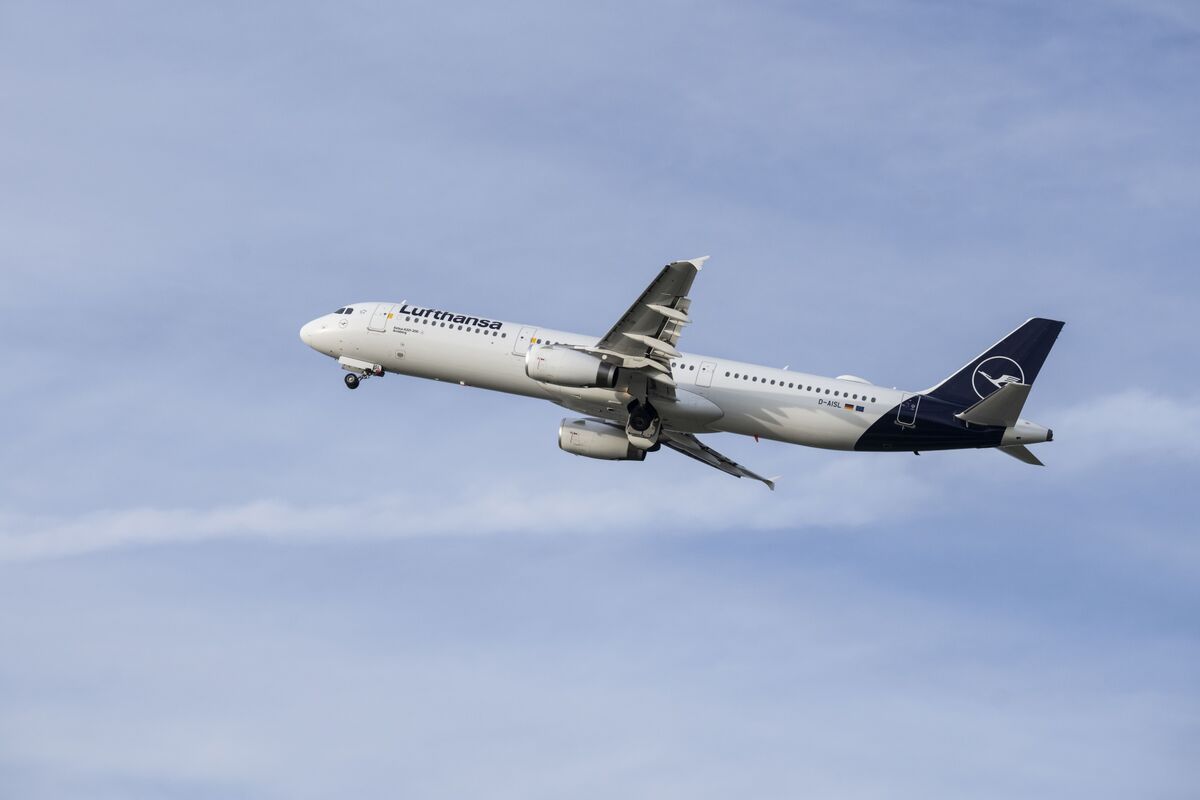
Deutsche Lufthansa said fuel supply is stable for the summer, with no signs from suppliers that availability will be at risk. The airline urged customers to “absolutely” book summer vacations, signaling confidence in peak-season demand as it works toward financial goals. The update is supportive for sentiment but appears incremental rather than price-moving.
This is less a fundamental update than a demand-shaping attempt: Lufthansa is signaling to consumers that operational continuity is intact at the exact point when airline P&Ls are most levered to booking velocity and pricing power. The key read-through is not for Lufthansa alone but for the broader European leisure travel complex: if the message lands, it supports a stronger summer yield environment and reduces the risk of late-booking discounting across carriers, OTAs, and airport-linked services. Second-order benefit likely accrues to the more capacity-constrained names and to suppliers with high marginal leverage to peak-load utilization. If consumers take the reassurance as a cue to lock in vacations earlier, that can tighten seat inventory and improve ancillary attach rates, while also supporting hotel pricing in Mediterranean leisure destinations. The loser set is the discount-led, short-haul operators that rely on filling seats late; their unit revenue upside is more vulnerable if Lufthansa successfully pulls forward demand and normalizes consumer confidence. The main risk is that the statement is defensive rather than predictive: if fuel/logistics anxiety intensifies or macro sentiment softens, the market may read it as management trying to preempt weaker bookings. The catalyst window is the next 4-8 weeks, when booking curves and commentary from other European carriers will validate or contradict the message. A secondary risk over the summer is that any disruption in fuel availability or a spike in jet crack spreads would hit pricing power faster than volumes can recover, especially if consumers still have a high sensitivity to travel budgets. The contrarian view is that this is modestly underappreciated rather than a clean bullish setup: aviation is often most profitable when customers are nervous but still traveling, because airlines can preserve yields with limited demand elasticity. If the reassurance succeeds, the upside may be more about earnings durability than multiple expansion, suggesting the better trade is relative value rather than outright beta. The market may be overpricing operational fragility and underpricing the ability of large network carriers to defend load factors into peak season.
AI-powered research, real-time alerts, and portfolio analytics for institutional investors.
Request DemoOverall Sentiment
mildly positive
Sentiment Score
0.20
