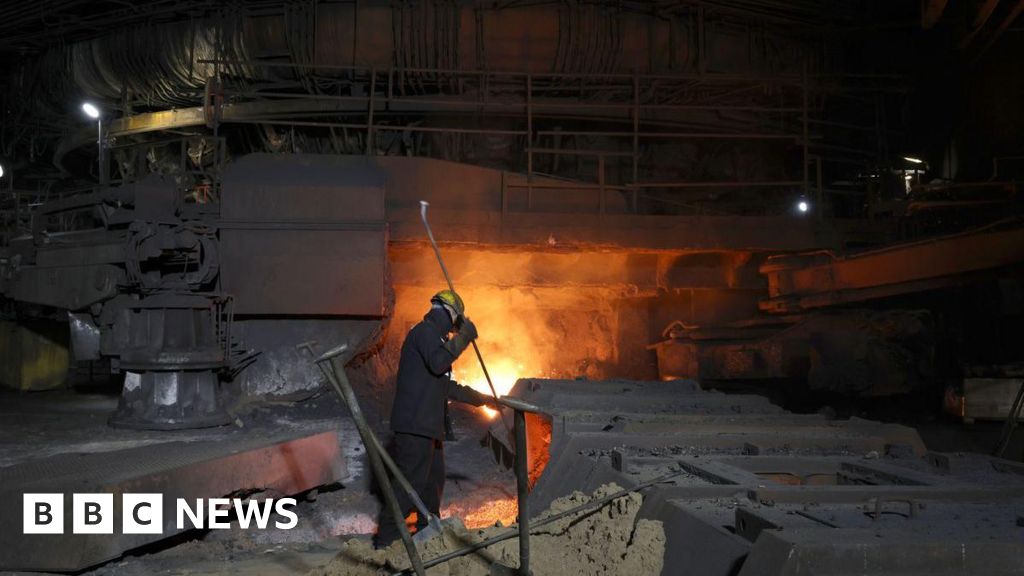
Government has spent £377m in nine months (c.£1.3m/day) to keep British Steel's Scunthorpe blast furnaces operating; the amount is classified as a loan with no repayment schedule and unclear recoverability. DBT reported £15m on advisers, £359m for operating activities and £3m on legal costs; NAO expects spending to reach £615m by June and, at current rates, potentially exceed £1.5bn by 2028. Emergency legislation was used to order continued operations after owner Jingye, losing £700k/day in March 2025, failed to agree a transition to electric arc furnaces; DBT is now evaluating future options for the site.
Government rescue of an industrial sovereign asset creates a persistent implicit backstop that will reshape bargaining dynamics for any potential buyer or investor. Buyers will factor in both the political premium (higher valuation for continuity) and the contingent liability of mandated employment/operational conditions, compressing realistic offers and extending the window before a market-led restructuring can occur.
A drawn-out transition from blast-furnace to electric-arc-furnace (EAF) technology shifts margin pools across the supply chain: scrap and EAF equipment vendors gain optionality and pricing power while high fixed-cost integrated producers face margin pressure as carbon and energy pass-through intensifies. Customers with heavy, time‑sensitive procurement needs (infrastructure contractors, specialty OEMs) will either pay a domestic premium for continuity or accelerate diversification to imported slab/flat product, creating near-term import opportunities for EU and US mills.
Fiscal strain and political optics create three plausible catalysts in order of probability: a structured sale with conditional subsidies, a mandated conversion plan (multi-year capex), or an eventual enforced closure if subsidy fatigue or energy shocks arrive. Each path has asymmetric market impacts — sale reduces sovereign risk; conversion lifts long‑run competitiveness but requires large capex; closure produces acute supply shocks in months, not years.
Key tail risks include a sudden energy price spike that makes blast operations untenable within weeks, or an adverse trade remedy from trading partners that limits import relief and forces domestic price dislocations. Monitoring government statements and trade filings will give 1–6 week advance notice of regime shifts that move prices and credit spreads sharply.
AI-powered research, real-time alerts, and portfolio analytics for institutional investors.
Request DemoOverall Sentiment
strongly negative
Sentiment Score
-0.60
