

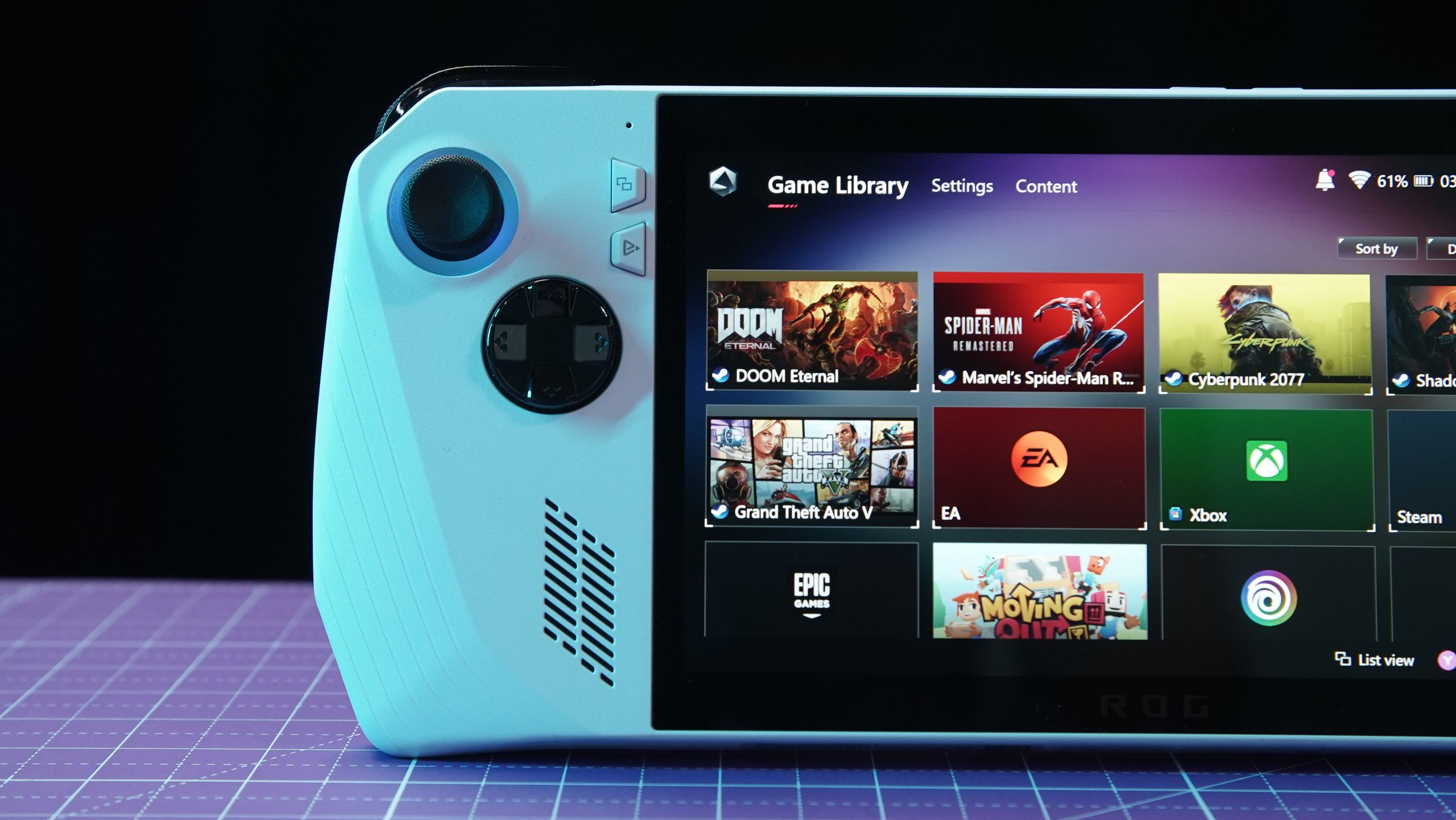
Gaming handheld prices have surged, with the Legion Go 2 2TB cited at $2,849 versus $1,479 previously, but the article argues there are still viable options in the $400-$650 range. It highlights the Nintendo Switch 2 at $449-$499, an open-box Asus ROG Ally Z1 Extreme at $540 versus its $699 launch price, and the Legion Go S as the best SteamOS alternative. The piece is mainly consumer guidance on value, refurbished buying, and cost-saving strategies rather than a direct market-moving event.
The key market read-through is not “handheld gaming demand is strong,” but that pricing elasticity is starting to matter more than feature leadership. When premium devices push into laptop territory, buyers trade down to last-cycle inventory, refurb channels, and ecosystem-lock platforms; that shifts margin mix toward retailers with strong used/open-box operations and away from manufacturers trying to defend MSRP. In other words, the winners are likely the firms monetizing distribution, attachment sales, and financing, not necessarily the brand owners shipping the newest SKU.
For BBY, the second-order benefit is higher throughput in open-box, certified pre-owned, and accessories, where gross margin can be meaningfully better than on hardware. The real upside is traffic capture: shoppers who balk at flagship prices often still transact on controllers, docks, storage, protection plans, and gift cards, which can lift basket economics over the next 1-2 quarters even if unit demand is flat. Amazon’s edge is different: it can arbitrage fragmented pricing with marketplace depth and recommendation-driven substitution, but it is also exposed to gray-market leakage and heavier price competition, which caps incremental margin capture.
The contrarian view is that this is less a structural demand boom than a temporary supply-and-memory shock inflating list prices. If component costs normalize over the next 2-4 quarters, headline handheld pricing can roll over quickly, which would favor retailers with inventory discipline and punish anyone sitting on expensive stock. The other risk is that consumers delay purchases entirely and wait for holiday bundles or the next refresh cycle, turning today’s “affordable” tiers into a low-conviction bridge rather than a durable upgrade wave.
AI-powered research, real-time alerts, and portfolio analytics for institutional investors.
Request TrialOverall Sentiment
neutral
Sentiment Score
0.10
Ticker Sentiment
