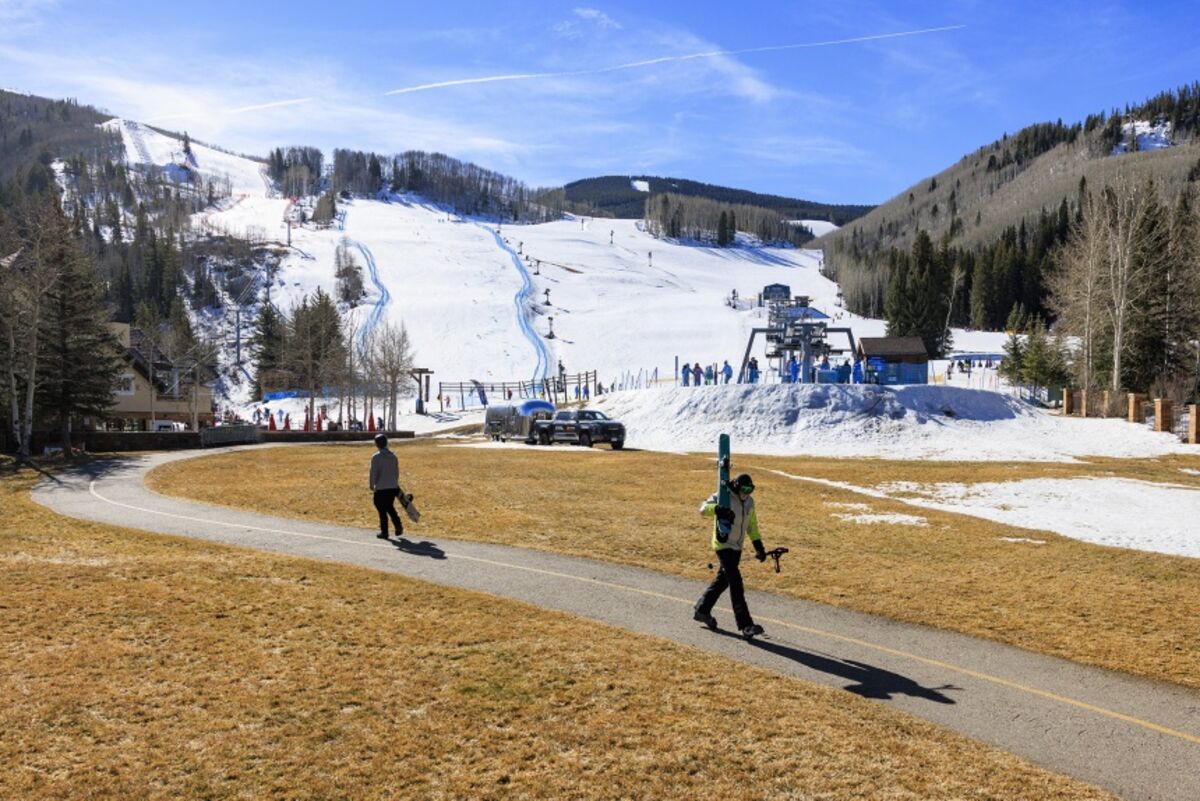
Vail Resorts said fiscal-year earnings will land at the low end of guidance after poor snowfall cut season-to-date skier visits 15% year over year through April 19. Lift revenue fell 5.6% as weaker weather reduced traffic at North American resorts. Shares dropped as much as 2.8% on the update.
The near-term read-through is not just weaker EBITDA for MTN, but a reset in the quality of earnings: when visit volumes fall this sharply, fixed costs leverage works in reverse and the market should expect margin compression to persist into the next reporting cycle, not just this season. That matters because mountain operators are valued on implied normalization; if snow volatility is forcing recurring downside to guidance, the multiple deserves a weather-risk haircut rather than a simple one-quarter earnings miss.
Second-order winners are the more operationally diversified leisure names and any hotel/resort operators with less exposure to destination-ski demand. The bigger loser is the ancillary ecosystem tied to skier traffic — local lodging, equipment rentals, restaurants, and season-pass cash flow sensitivity — where volume weakness can show up with a lag as renewal rates and ancillary spend soften. If this pattern is broad across the Rockies, it also raises the risk that managements in the space become more conservative on capex and labor planning into next winter.
The catalyst path is mostly weather-dependent over days to weeks, but the fundamental de-rating can last months because the market will focus on what this says about forward season-pass elasticity and pricing power. A sharp late-season storm could temporarily improve optics, but it is unlikely to fully repair the underlying issue unless it also changes next-year booking behavior. The contrarian angle is that the move may still be underdone if investors are assuming a quick mean reversion; in reality, a bad snow year often leaves a bigger hole in next season's demand than models capture, especially if consumers substitute toward lower-cost leisure alternatives.
For trading, this looks best expressed as a tactical short or put spread on MTN into any strength, rather than chasing the first downtick, because weather headlines can produce sharp squeezes. Pair MTN short against a more diversified travel/leisure beneficiary with lower weather beta if you want to isolate the demand shock from the broader sector. If options liquidity allows, use a 1-3 month put spread to capture further guidance risk while capping premium burn if the next snow update improves.
AI-powered research, real-time alerts, and portfolio analytics for institutional investors.
Request TrialOverall Sentiment
moderately negative
Sentiment Score
-0.45
Ticker Sentiment
