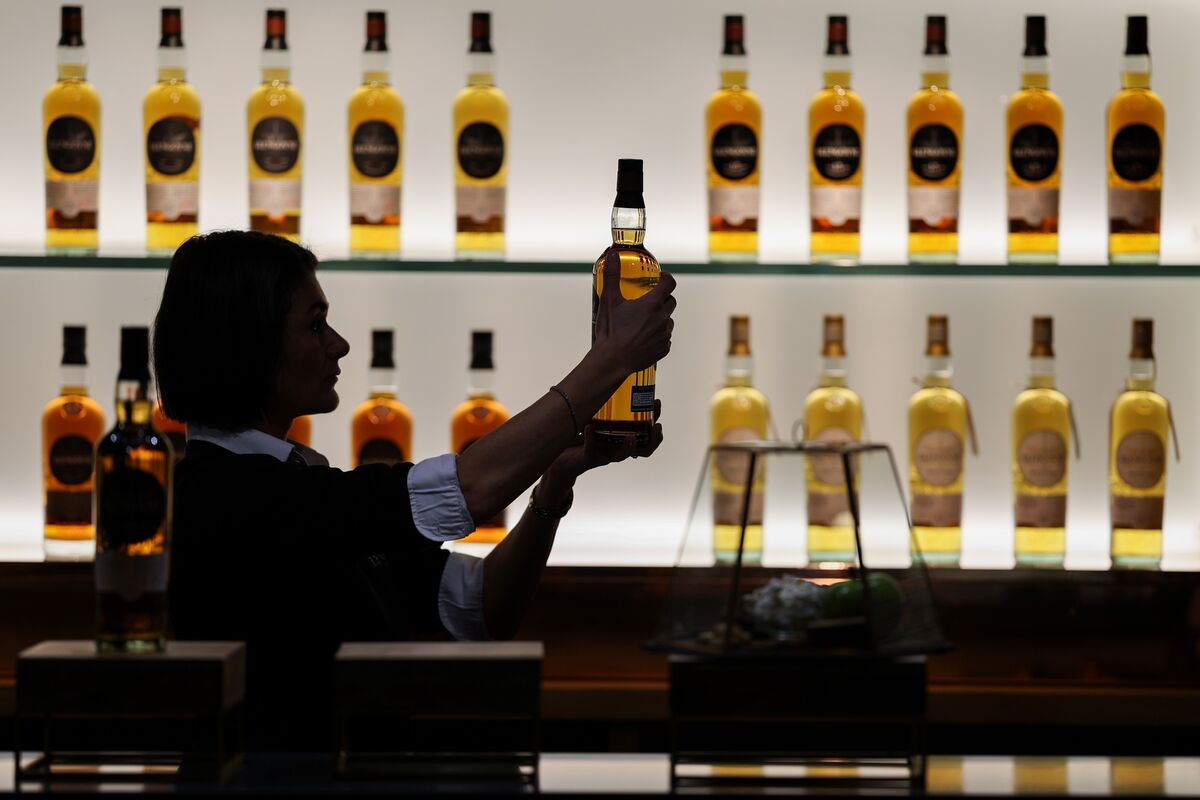
Trump said he will remove some whiskey tariffs after King Charles III’s visit, signaling a trade concession to the UK. The move could ease trade frictions for Scotch whisky and Kentucky bourbon producers, but the article does not specify the scope, timing, or tariff rate. Market impact is likely limited to affected spirits and trade-sensitive names rather than the broader market.
The immediate market read is not “whiskey” but signaling: tariff relief tied to a high-visibility diplomatic visit increases the probability of selective, optics-driven trade de-escalation rather than a broad policy pivot. That matters because the first beneficiaries are likely to be the weakest-link exporters with the most elastic political constituency, while the larger macro impact is limited unless this becomes a template for other category-specific carveouts. In other words, this is more important for trade-policy beta than for distillers’ earnings.
Second-order effects likely accrue to premium spirits supply chains and logistics rather than just branded producers. If tariff frictions ease, imported Scotch and related inputs can regain shelf space and promotional support in the US, pressuring domestic bourbon pricing at the margin; however, Kentucky’s involvement suggests the administration wants this framed as a bilateral industry partnership, which may reduce the odds of a retaliation cycle. The bigger competitive dynamic is on allocation: companies with greater exposure to export channels and premiumization can use the headline to rebuild demand expectations before volumes actually move.
The risk case is that this stays symbolic. If the legal mechanism is narrow or the implementation is delayed, the tradeable move in spirits could fade within days even as “trade détente” headlines persist for months. Conversely, if the White House starts granting selective relief across other UK-linked or politically salient sectors, the market will begin to price a broader softening of tariff posture, which would have a more durable effect on consumer-goods inflation expectations and import-sensitive equities.
Contrarian view: consensus may be overestimating the earnings impact and underestimating the signaling value. For public markets, the actionable opportunity is less about buying bourbon and more about trading the probability distribution of future tariff exemptions: a small positive on spirits can become a larger positive for consumer staples, luxury imports, and freight names if it hints at a slower tariff escalation path.
AI-powered research, real-time alerts, and portfolio analytics for institutional investors.
Request DemoOverall Sentiment
mildly positive
Sentiment Score
0.25
