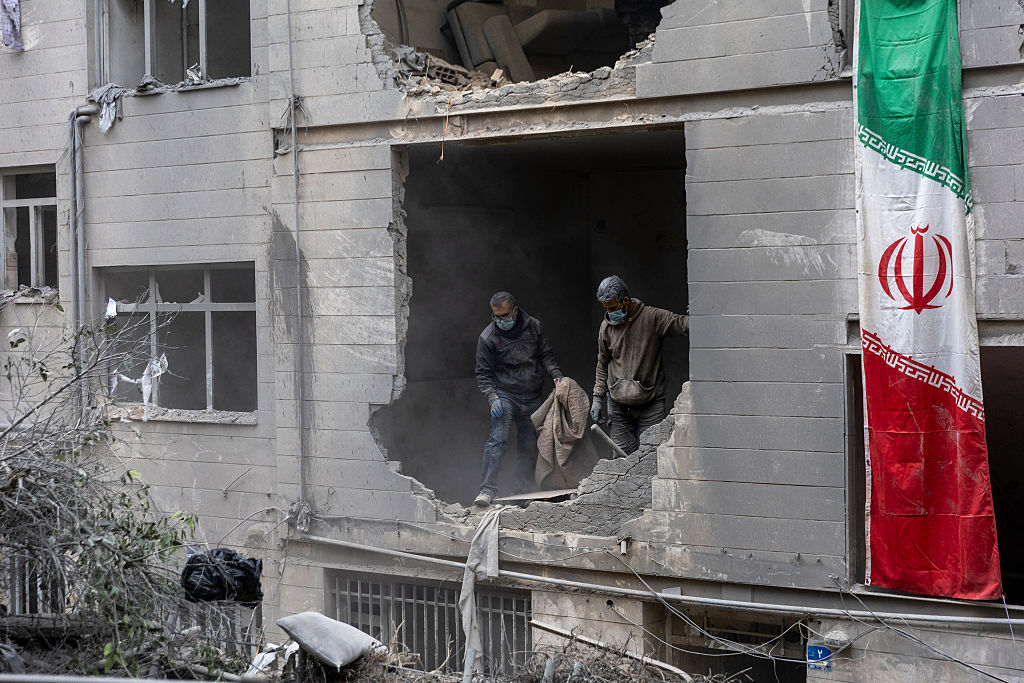
Oil topped $100/barrel and U.S. gasoline prices are up ~17% since the war began; European natural gas prices have nearly doubled and Qatar’s gas production has halted after Iranian strikes. The article highlights the U.S. sinking of the Iranian ship IRIS Dena (87 bodies recovered) and unilateral military action that blindsided allies, prompted redeployment of the Abraham Lincoln carrier strike group and destroyers from the Pacific, and risks weakening deterrence in the Indo-Pacific. Expect a sustained risk-off impulse: inflationary pressure on central banks, upside energy price and commodity volatility, and heightened stress for energy-exposed EMs and trade-dependent economies.
The strategic shock is less the kinetic event than the credibility shock it creates: allies re-price the reliability of U.S. security guarantees and buyers/sellers in long-tail supply chains re-route to avoid perceived political risk. Expect immediate, quantifiable increases in maritime insurance, re-routing to longer sea lanes (adding 5–15% to transit times/costs on key corridors) and a surge in bunker fuel demand that amplifies hydrocarbon price sensitivity independent of physical supply outages.
Macro transmission will be asymmetric: energy and shipping risk premia lift headline inflation and force real-yield responses from central banks, while safe-haven flows bid USD and precious metals. Emerging markets with large external funding needs and energy import dependence will see the sharpest spread widening — funding stress can migrate from sovereigns to local-currency corporates within 4–12 weeks, compressing credit availability and exacerbating local inflation.
Sector winners include large defense primes, upstream hydrocarbon producers with low marginal costs, and reinsurers/marine insurers that can re-price risk; losers are high fixed-cost travel & logistics operators, gas-dependent European industrials, and EM credit. Second-order beneficiaries: owners of very large crude carriers and FLNG optionality, which capture disproportionate upside from longer voyages and spot LNG dislocations.
Key conditional paths: a diplomatic detente or coordinated SPR/alternative supply release can unwind risk premia in 30–90 days; a sustained escalation that draws in regional actors embeds a new, higher oil floor for 6–24 months and structural reordering of alliances. Monitor maritime insurance rates, time-charter indices, and sovereign CDS as real-time thermometers for regime change.
AI-powered research, real-time alerts, and portfolio analytics for institutional investors.
Request DemoOverall Sentiment
strongly negative
Sentiment Score
-0.80
