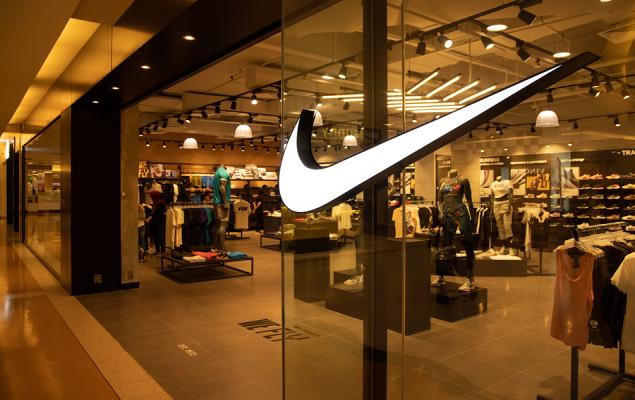
Nike and Target have underperformed the S&P 500 due to weak quarterly results and shifting consumer demand; Nike shares have rebounded 9% in the past month following tariff de-escalation news, though uncertainty remains, while Target is down nearly 30% in 2025 due to a less favorable inventory mix and a 5.7% YoY decline in comparable store sales. The article suggests investors remain cautious on both stocks until there is further clarity on tariffs and signs of improved consumer engagement.
Nike (NKE) and Target (TGT) have notably underperformed the S&P 500 in recent years, primarily due to weak quarterly results driven by soft consumer demand and challenging product assortments. Nike experienced significant pressure from initial China tariff announcements earlier in the year, contributing to a meltdown in its share price. However, a recent 90-day tariff de-escalation has provided temporary relief, with NKE shares rebounding 9% over the past month from their 2025 lows, outperforming the S&P 500. Despite this, Nike's earnings outlook for the current fiscal year, while showing recent positive shifts, remains overall negative, and the tariff situation introduces ongoing uncertainty for its profitability, given its heavy manufacturing exposure. Target's shares have continued their decline in 2025, down nearly 30%, significantly underperforming both the S&P 500 and retail peers. This underperformance is attributed to its 'discretionary' inventory mix, which is less aligned with current consumer spending patterns compared to staples-focused retailers like Walmart, and contrasts sharply with its pandemic-era boom. Target's latest quarterly results further disappointed, with comparable store sales declining 5.7% year-over-year and overall sales growth remaining muted, indicating persistent struggles in re-engaging consumers.
AI-powered research, real-time alerts, and portfolio analytics for institutional investors.
Overall Sentiment
moderately negative
Sentiment Score
-0.35
Ticker Sentiment
