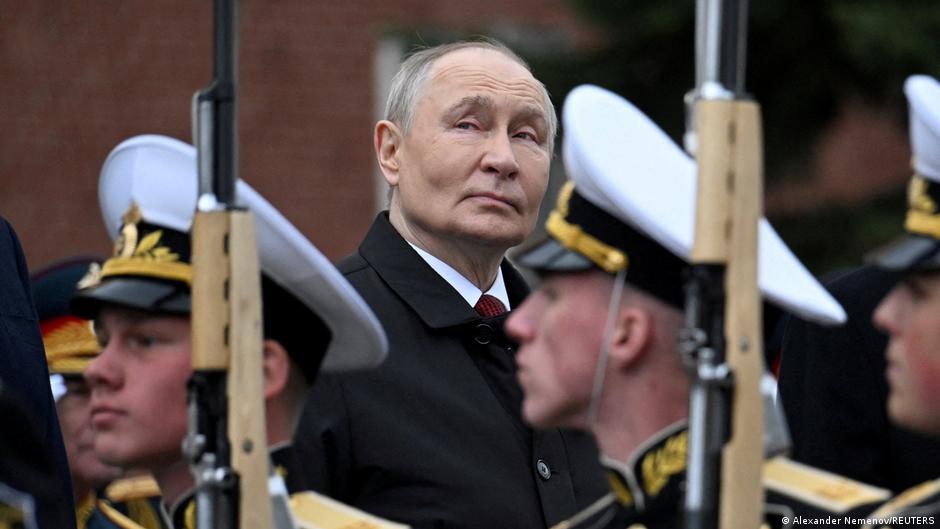
Putin said the Ukraine war is "coming to an end" and suggested he would only meet Zelenskyy after a lasting peace deal is reached. The comments came amid a three-day ceasefire announced by US President Donald Trump after Washington-brokered negotiations, and as the EU signaled willingness to hold separate talks with Russia and Ukraine. The remarks are geopolitical rather than market-specific, but they modestly affect sentiment around defense, sanctions, and risk assets tied to the conflict.
The market is likely to misread this as a linear de-escalation signal, but the more relevant takeaway is that policy optionality just widened. Any credible path toward a pause in hostilities would compress the geopolitical risk premium across European energy, freight, and industrial input markets first, while defense procurement sentiment lags because budget decisions are sticky and usually take quarters to unwind. The near-term winner is not “peace” itself, but assets exposed to lower uncertainty and lower discount rates in Europe.
The second-order effect is that the biggest upside may sit in cyclicals and small caps that have been hostage to war-premium input costs rather than headline beneficiaries like energy. A sustained thaw would support European banks, transport, and construction through cheaper funding and better capex visibility, while pressuring defense primes only if investors start underwriting a multi-year reset in NATO spending rather than just a tactical ceasefire. That said, any move should be treated as headline-sensitive: the real catalyst is not rhetoric but whether talks lead to verifiable prisoner exchanges, ceasefire extension, and logistics deconfliction over the next 2-8 weeks.
Consensus is likely underpricing how easily this can reverse. A single failed negotiation, battlefield escalation, or domestic political hardening in the US/EU could re-ignite risk aversion within days, making short-vol positioning dangerous. The asymmetric setup is that peace headlines may produce a fast, tradable rally in Europe-sensitive assets, but the fundamental rerating only sticks if the market starts believing reconstruction spend, industrial recovery, and lower energy volatility are durable rather than temporary.
AI-powered research, real-time alerts, and portfolio analytics for institutional investors.
Request DemoOverall Sentiment
neutral
Sentiment Score
0.05
