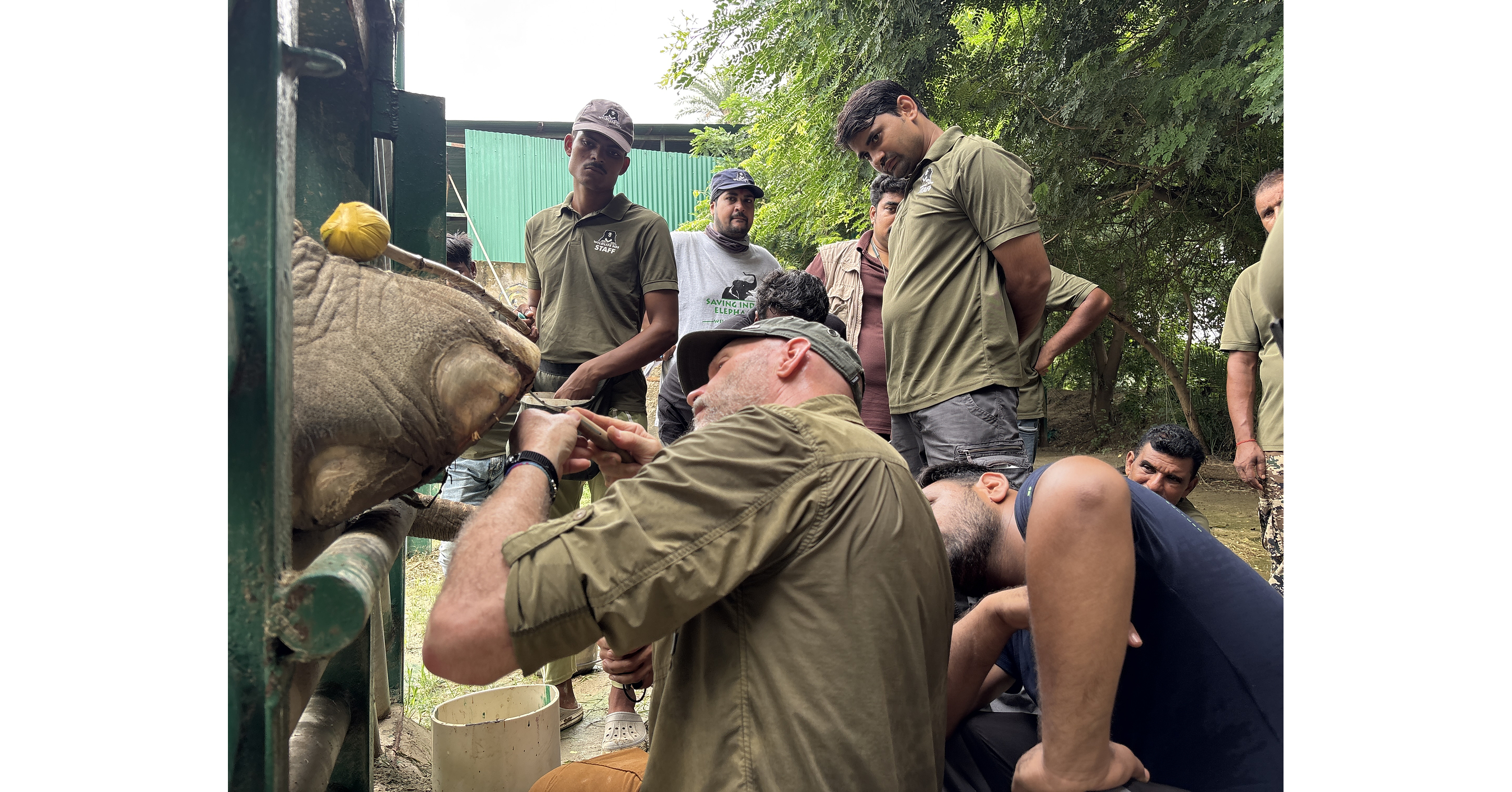
Wildlife SOS launched a long-term collaboration with McClure International Consulting, starting this week with a hands-on training workshop at its Elephant Conservation and Care Centre (ECCC), to improve lifelong care for India’s rescued captive elephants ahead of World Elephant Day (Aug. 12). The program targets advanced foot care and mobility, positive reinforcement training, and elephant socialization/enrichment, building on Wildlife SOS’s 20+ years of rescue work and lifelong care for 50+ elephants with a goal to end exploitation of begging elephants by 2030. The initiative is expected to enhance veterinary knowledge and caregiving practices, including support via a proposed mobile elephant clinic for under-served communities.
This is not a direct market event; it is a brand-building and donor-capture announcement with no obvious cash-flow bridge to listed equities. The only plausible public-market read-through is incremental reputational support for ESG-aligned platforms and video distribution, but that is too diffuse to matter for GOOGL or any major platform stock on any tradable horizon. In other words, the signal is real at the nonprofit level and negligible at the portfolio level.
The second-order angle is that these kinds of partnerships reinforce the long-run pressure on captive-animal tourism, circus, and low-standard animal-experience businesses in India and adjacent markets, but that thesis is already mature and not catalyzed here. If there is a true investable theme, it would be in any future enforcement or consumer-boycott cycle that turns welfare concerns into licensing, insurance, or tourism demand hits; this article does not provide that catalyst. The consensus gap is likely over-reading a PR event as an ESG datapoint when there is no regulatory timing, no revenue linkage, and no observable margin or multiple impact.
Near term, the only measurable effect may be slightly better fundraising and volunteer engagement for the nonprofit over the next 1-3 months around World Elephant Day. Over 6-18 months, the structural effect remains narrative-level unless it evolves into policy, licensing, or litigation pressure on captive-animal operators. Falsifiers for any negative consumer/tourism thesis would be a lack of follow-on policy attention, stable domestic tourism demand, and no meaningful pickup in boycott or compliance headlines.
AI-powered research, real-time alerts, and portfolio analytics for institutional investors.
Request DemoOverall Sentiment
mildly positive
Sentiment Score
0.12
Ticker Sentiment
