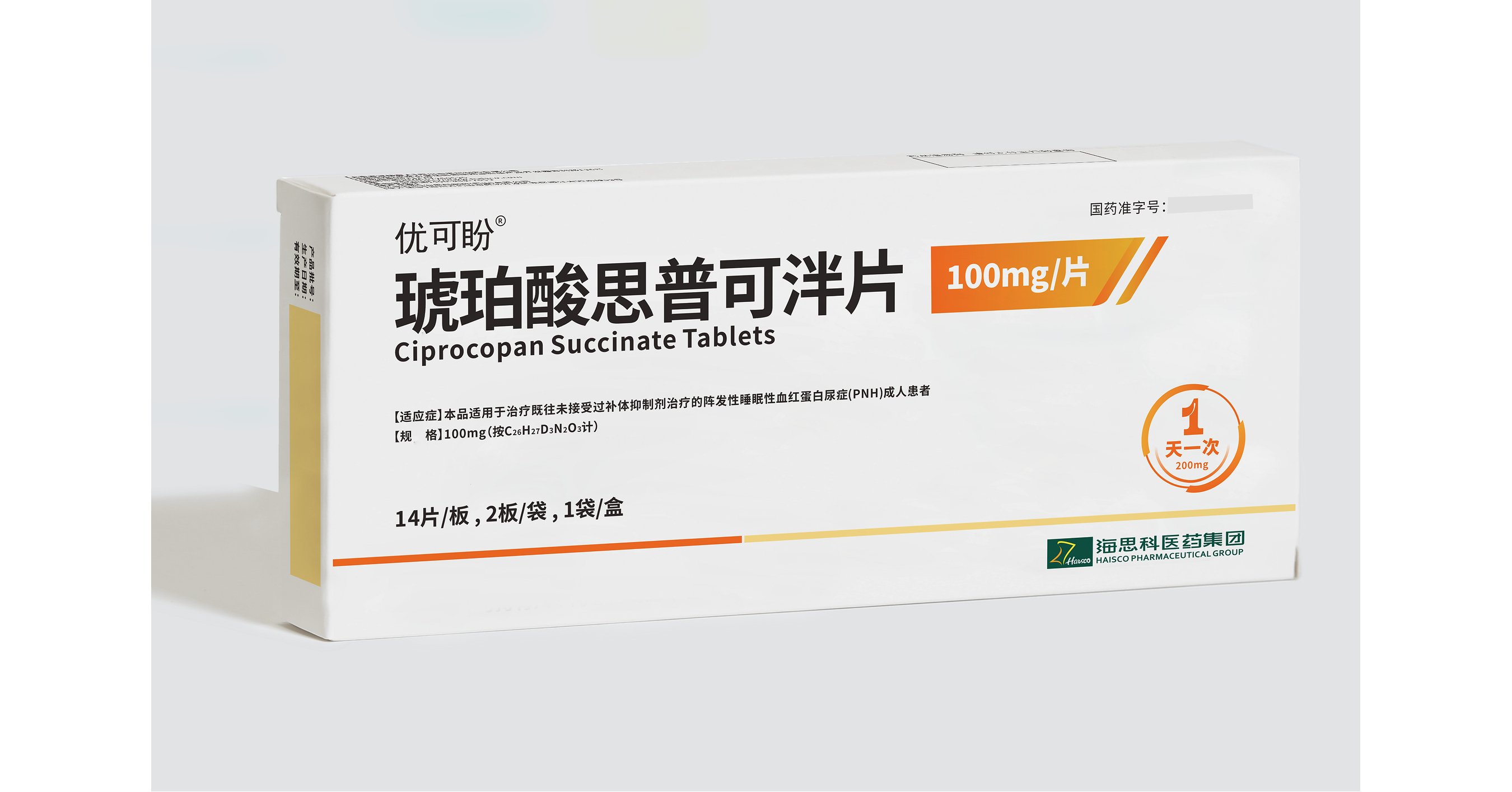
Haisco’s Class 1 innovative drug ciprocopan succinate tablets (HSK39297) received NMPA marketing approval in China for complement-inhibitor–naïve adult PNH patients, adding a once-daily oral FB inhibitor to its pipeline. The article also highlights a sizable ex-China/out-license deal with Nuvectis, including $40M in upfront/near-term milestones and up to $1.421B additional milestones plus tiered double-digit royalties, supporting growth optionality for future commercialization. Reported Phase III metrics cited include 59.5% hemoglobin target attainment, +48.35 g/L hemoglobin increase, and 94.6% of patients transfusion-free, with a stated favorable safety profile.
This is more a de-risking event for the asset class than a near-term earnings event. For Nuvectis, the important signal is that a China-origin complement program has crossed a real regulatory hurdle, which tends to improve the odds of partnerable ex-China economics even if domestic sales in China remain too small to matter.
The competitive read-through is subtle: oral, once-daily administration can pressure the convenience premium enjoyed by injectable complement franchises, but only if efficacy translates outside China and reimbursement does not force step-therapy. The bigger second-order effect is on partnering power and valuation dispersion across China biotech, where approved-in-China / licensed-out assets often get underwritten more on milestone credibility than on home-market revenue.
Tail risk is that the market over-interprets a China approval as global validation. For the next 1-3 months the stock can trade on financing and licensing headlines; over 6-18 months, the real determinant is whether ex-China development triggers are concrete and whether safety/durability data support broader adoption. If no partner update emerges or if ex-China trial requirements remain open-ended, the re-rating should fade quickly.
AI-powered research, real-time alerts, and portfolio analytics for institutional investors.
Overall Sentiment
strongly positive
Sentiment Score
0.55
Ticker Sentiment
