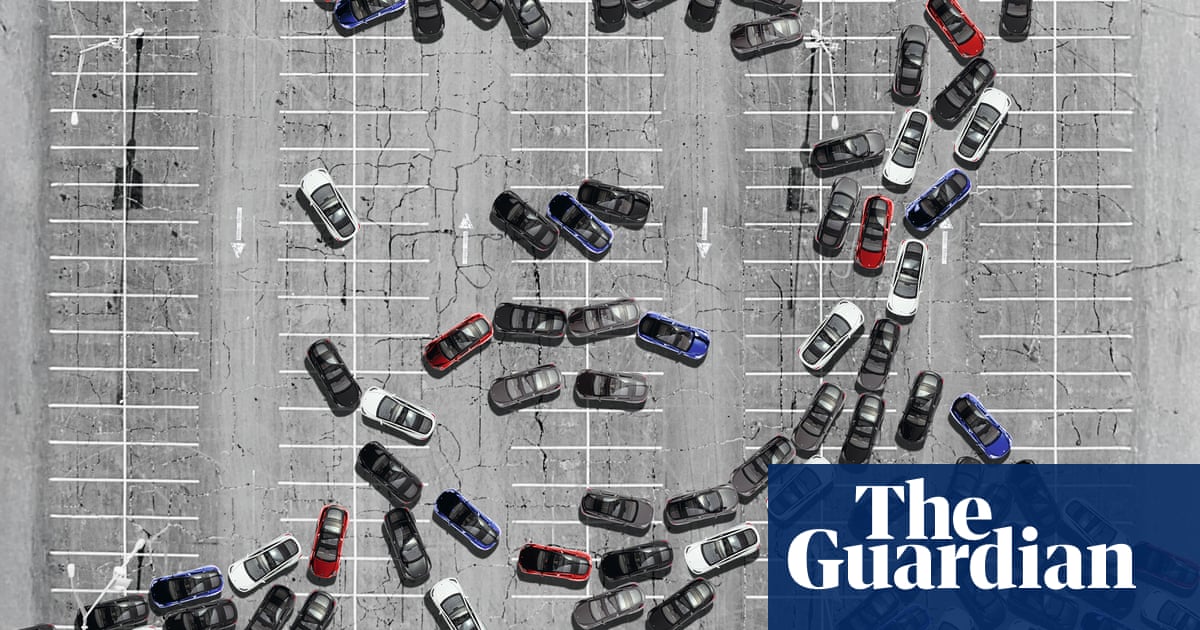
A new investigation, supported by leaked 'Tesla Files,' implicates Tesla in consistently withholding critical vehicle data from authorities and victims' families in fatal crashes, despite widespread customer complaints concerning Autopilot/Full Self-Driving malfunctions and thousands of documented incidents. This alleged lack of transparency, compounded by design flaws like retractable door handles linked to fatalities and regulatory findings from NHTSA on data gaps, significantly undermines the credibility of Tesla's safety claims and its autonomous driving technology. The revelations expose the company to substantial regulatory, legal, and reputational risks, challenging its data governance practices and long-term valuation.
An investigation based on a leaked cache of internal documents, the 'Tesla Files,' reveals a pattern of Tesla, Inc. (TSLA) allegedly withholding critical vehicle data following fatal crashes, directly contradicting its public narrative of transparency and advanced data collection. The files document over 2,400 customer complaints of unintended acceleration and more than 1,500 braking issues, alongside a list of over 3,000 driver-assistance incidents where safety concerns were raised. This pattern of data unavailability is corroborated by multiple fatal incidents, such as the Meier and Schuster cases in Germany, where Tesla either claimed no data was available or deemed it not relevant, effectively halting investigations. These findings are amplified by a US National Highway Traffic Safety Administration (NHTSA) report from April 2024, which identified 'gaps in Tesla’s telematic data' and noted a suspicious trend in 16 crashes where Autopilot disengaged less than one second before impact, potentially obscuring the system's role in the collision. Furthermore, the report highlights critical design flaws, such as retractable door handles that failed to extend post-crash, which a German court-appointed expert concluded was a 'decisive factor' in preventing the rescue of two teenagers. The contrast between Tesla’s public claims of a fleet-wide 'neural network' and its repeated failure to provide data in critical incidents exposes the company to severe legal, regulatory, and reputational risks, fundamentally challenging the credibility of its Autopilot and Full Self-Driving (FSD) technologies.
AI-powered research, real-time alerts, and portfolio analytics for institutional investors.
Request DemoOverall Sentiment
extremely negative
Sentiment Score
-0.85
Ticker Sentiment
