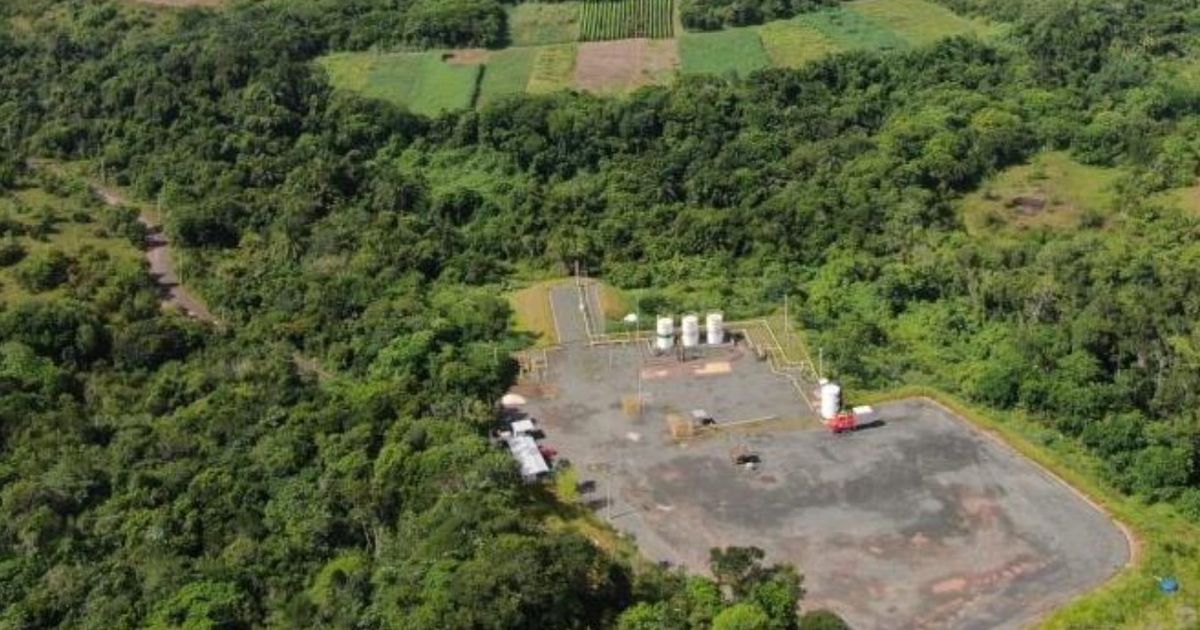
Alvopetro reported a 79% increase in proved (1P) reserves to 8.1 MMboe at year-end 2025 and a 43% rise in 2P reserves to 13.1 MMboe, lifting 1P NPV10 to $245.6m (+38%) and 2P NPV10 to $393.6m (+20%). The gains were driven by drilling success at the 183‑D4 well in the Murucututu field and the addition of Saskatchewan heavy‑oil assets (booking 0.3 MMboe 1P and 0.7 MMboe 2P), producing 1P/2P production replacement ratios of 485%/530%, a 2P reserve life index of 12.5 years, record Q4 production of 2,867 boepd (3,099 boepd in January), and material contingent/prospective resource value; the company has also agreed to dispose of two Brazilian oil fields subject to approvals.
Market structure: Alvopetro’s +79% 1P and +43% 2P reserve move (1P=8.1 MMboe, 2P=13.1 MMboe; NPV10 2P=$393.6m) materially de-risks a micro-cap E&P and adds scale via Canadian heavy oil and Brazilian gas. Direct winners are Alvopetro equity holders, service contractors in Murucututu and Mannville heavy-oil peers; marginal losers are local mid‑tier explorers that compete for capital and acreage. Regional supply impact is localized — incremental Brazilian gas production may depress regional gas spreads in NE Brazil; Canadian heavy additions pressure WTI-heavy differentials modestly over 12–24 months.
Risk assessment: Key tail risks are regulatory denial or delay of the Brazilian asset disposals (timing 30–120 days), faster-than-modeled decline at 183‑D4 (operational), and forced equity/dilutive financing if capex overruns occur (financial). Immediate market reactions (days) will follow filings and sale notices; short-term (weeks–months) drivers are disposal completion and Q2 drilling results; long-term (years) hinge on execution against a 12.5‑year RLI and commodity prices. Hidden dependencies: reserve economics rely on netbacks for Mannville heavy oil and gas prices in Brazil — a 20% oil/gas price slide would cut NPV10 materially and could trigger covenant/financing stress.
Trade implications: For nimble allocators, ALV (TSX‑V:ALV / OTC:ALVOF) is a binary-upside small‑cap play on reserve revaluation and asset-sale execution; liquidity is thin so use size discipline. Cross-asset: improved reserve-backed fundamentals should tighten credit spreads for similar micro-cap E&Ps and lift small-cap energy equity multiples; buy-side should rotate modestly into Canada heavy-oil names (CVE.TO, CPG.TO) and natural-gas exposure to capture re-rating. Options: use limited‑risk call spreads or LEAPs to capture re-rate while capping downside from low liquidity.
Contrarian angles: Consensus likely underestimates financing/dilution risk — historical parallels show many TSX‑V reserve upgrades are followed by equity raises that mute upside. The market may also be underpricing regulatory risk in Brazil and higher operating costs for heavy oil; if disposals take >90 days or proceeds <$20–30m, re-rate will reverse. Watch metrics that reveal over/under‑pricing: EV/2P NPV10, announced disposal proceeds vs. book, and realized boepd vs. guidance over next 60–120 days.
AI-powered research, real-time alerts, and portfolio analytics for institutional investors.
Request TrialOverall Sentiment
moderately positive
Sentiment Score
0.55
