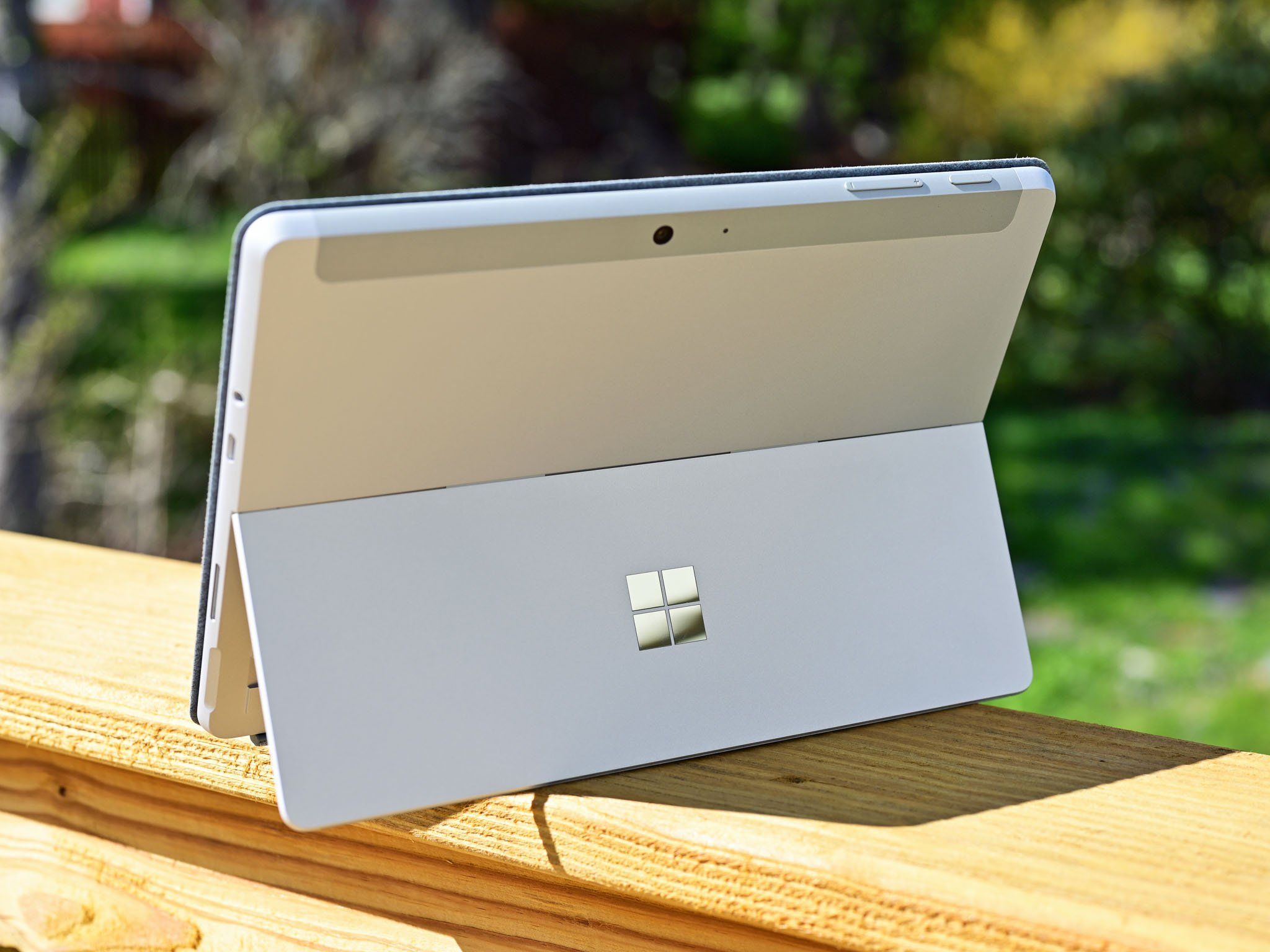
Microsoft raised prices across its current Surface PC lineup, with the Surface Pro 12-inch rising from $799 to $1,049, the Surface Pro 13-inch from $999 to $1,499, and the Surface Laptop 13.8-inch from $999 to $1,499. The top-end Surface Laptop 15-inch now costs $1,599 at launch pricing, while a fully configured model reaches $3,649 for 64GB RAM and 1TB SSD. The increases reflect higher memory and component costs tied to ongoing RAM supply constraints and could pressure Surface demand.
The immediate loser is not just Microsoft’s consumer hardware franchise, but the broader Windows OEM ecosystem: once Surface sits materially above premium Mac pricing, it becomes harder for channel partners to justify Windows laptops as the “good enough” alternative. That matters because premium Windows share tends to be won on perceived value, and this move compresses the value gap just as AI-PC marketing needs it most. In the near term, the more important second-order effect is demand destruction in the $1,000-$1,500 bracket, where buyers are highly elastic and can defer purchases for a quarter or trade down to older inventory. The pricing action also signals that memory inflation is now moving from cost absorption to end-user pass-through. That is constructive for the memory supply chain if it persists for multiple quarters: vendors with leverage over DRAM/NAND allocation can defend gross margins and may even see ASP upside despite unit weakness. But for Microsoft, the risk is that higher ASPs do not fully offset mix damage; if volumes roll over, hardware gross profit can still decline while the Surface brand loses relevance versus MacBook Air and cheaper Windows peers. The key catalyst window is the next 1-2 quarters, when refreshed devices hit the market and channel checks will show whether this is a temporary sticker shock or the start of a structurally higher price floor. A faster-than-expected normalization in memory pricing would be the main reversal, but that likely takes months, not weeks. The contrarian view is that the market may be underestimating how much of Microsoft’s hardware economics can be repaired by price alone; if Surface remains a strategic showcase rather than a scale profit center, Microsoft can tolerate lower unit volume and protect the category as long as it preserves premium positioning.
AI-powered research, real-time alerts, and portfolio analytics for institutional investors.
Overall Sentiment
mildly negative
Sentiment Score
-0.35
Ticker Sentiment
