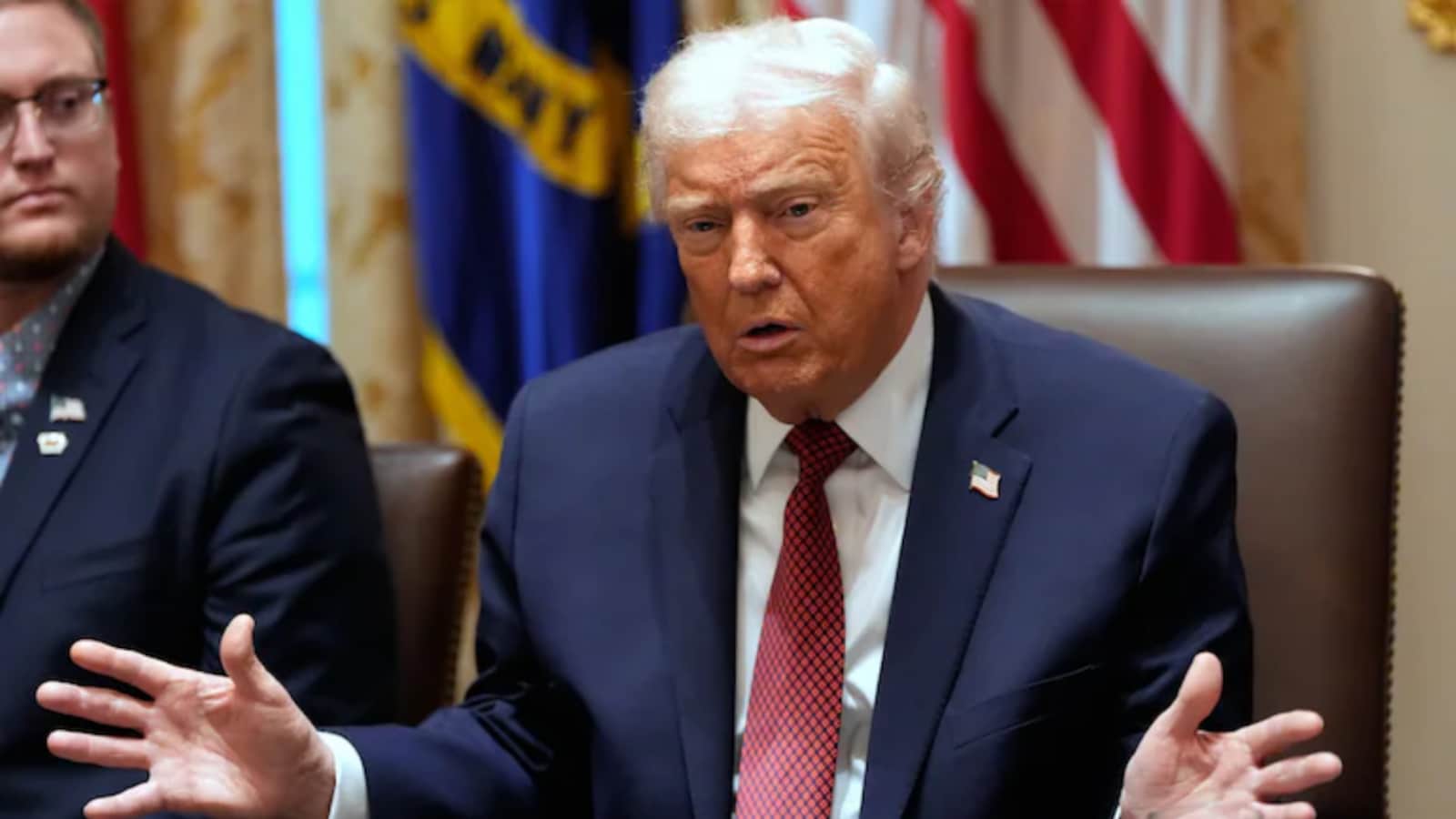
Trump said the Iran deal is not yet fully negotiated and that the US blockade near the Strait of Hormuz will stay in place until an agreement is reached, certified, and signed. Rubio said the US could move to serious nuclear talks only after the straits reopen and warned that Washington could still consider military options within 60 days if negotiations fail. The article points to continued geopolitical risk for energy shipping and broader Middle East stability, with sanctions and trade flows still highly uncertain.
The market should treat this less as a binary peace headline and more as a rolling embargo risk premium. The key second-order effect is not just crude volatility; it is the widening dispersion between assets exposed to Gulf transit optionality and those that are purely demand-sensitive. If the blockade persists even without kinetic escalation, insurers, shipowners, refiners with complex feedstock flexibility, and LNG-linked logistics beneficiaries can outperform while high-beta import-dependent EMs remain hostage to headline risk.
The biggest near-term loser is not necessarily energy consumers but balance sheets that rely on predictable working capital cycles. Even a partial reopening of Hormuz with intermittent delays would keep freight, war-risk insurance, and inventories elevated, which pressures airlines, chemical producers, and Asian refiners first. That creates a lagged inflation impulse that can tighten financial conditions at the margin, even if outright oil prices do not spike dramatically.
The more interesting setup is that the negotiation structure itself creates a two-month volatility window. A phased or interim deal would likely compress crude risk premium quickly, but any failure by the 60-day mark could trigger a sharp re-pricing because positioning will be built around optimism by then. The asymmetry favors owning convexity rather than outright spot energy exposure: upside from a failed deal is larger and faster than downside from a managed détente.
Consensus may be underestimating how politically useful ambiguity is for both sides, which makes a clean, durable resolution less likely than the market wants. That argues for fading crowded risk-on moves in EM and transport while selectively buying assets that benefit from prolonged uncertainty and elevated logistics costs. The trade is not simply long oil; it is long friction.
AI-powered research, real-time alerts, and portfolio analytics for institutional investors.
Request DemoOverall Sentiment
mildly negative
Sentiment Score
-0.15
Ticker Sentiment
